Your lawn needs consistent water to stay green through Salem’s hot summers, but choosing the wrong irrigation system can waste thousands of gallons and drive up your water bill. The right irrigation systems Salem homeowners rely on balance coverage, efficiency, and maintenance needs based on yard size, soil type, and plant variety.
This guide walks through every major residential irrigation option available in Salem, Utah, explaining how each system works, what it costs to install and maintain, and which properties benefit most from each type.
Traditional Spray Sprinkler Systems
Spray sprinkler heads are the most common irrigation systems Salem residents recognize. These pop-up heads spray water in fixed patterns, typically covering 8 to 15 feet in radius depending on nozzle type and water pressure.
Spray systems work well for smaller turf areas, flower beds, and ground cover zones. They deliver water quickly, usually running for 10 to 20 minutes per zone. The main advantage is uniform coverage across flat, open areas without obstructions.
The downside is efficiency. Spray heads lose significant water to evaporation and wind drift, especially during midday watering. They also struggle on slopes where runoff occurs before the soil absorbs moisture.
Installation costs for a basic spray system range from $2,500 to $4,500 for an average Salem residential lot, depending on the number of zones and existing water infrastructure.
Rotor Sprinkler Systems
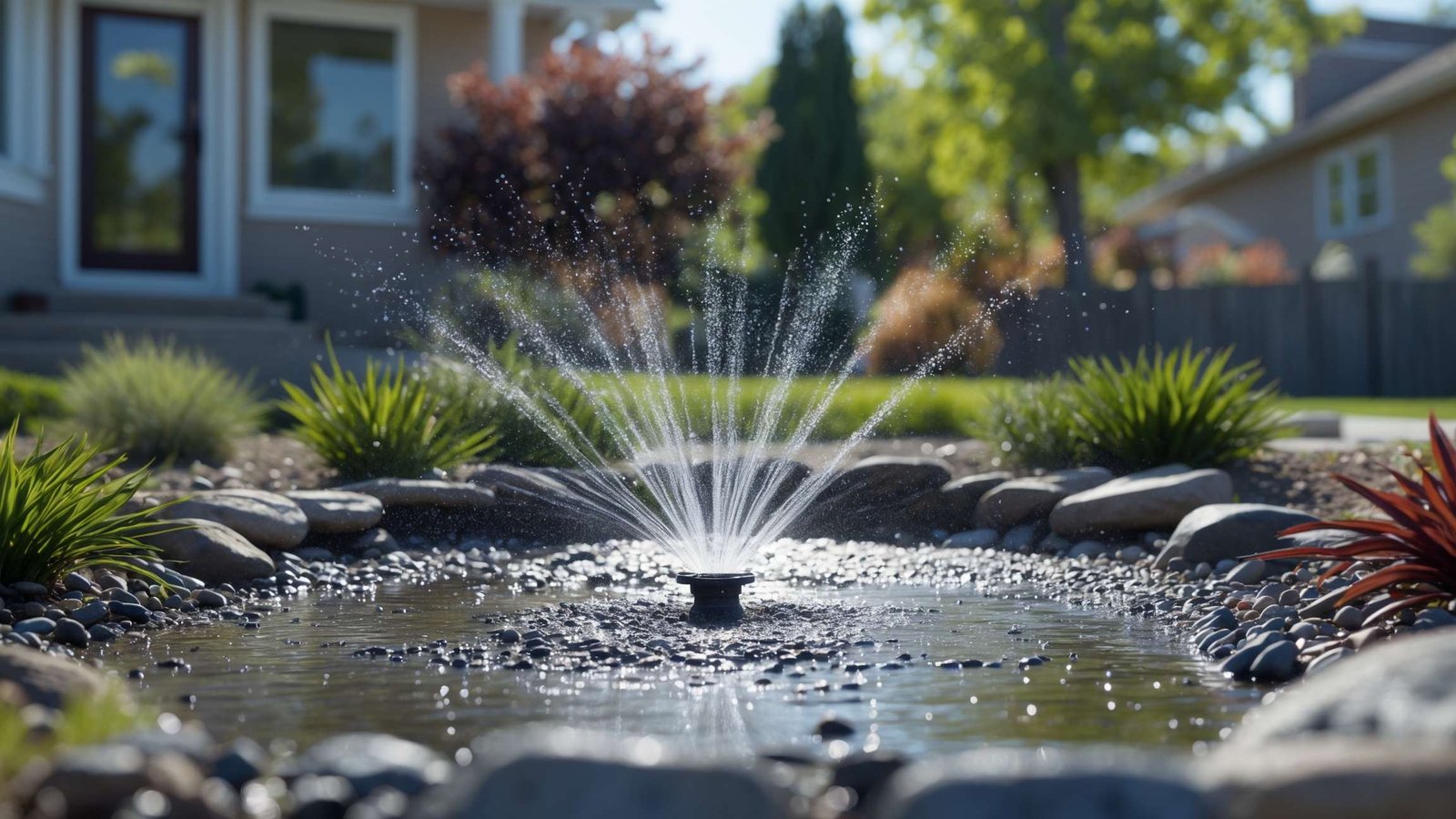
Rotor heads rotate as they spray, covering larger areas than fixed spray heads. A single rotor can water 20 to 50 feet in radius, making them ideal for expansive lawns and open spaces.
These systems apply water more slowly than spray heads, which gives soil time to absorb moisture and reduces runoff on slopes. A typical rotor zone runs 30 to 60 minutes, delivering the same amount of water as a spray zone in less time but at a lower application rate.
Rotor systems are the backbone of most residential landscaping irrigation in Salem. They handle varied terrain better than spray heads and work efficiently in windy conditions common during Utah summers.
Maintenance is straightforward. Rotors have fewer moving parts than older gear-driven models and can last 15 to 20 years with proper winterization. Nozzles occasionally clog from sediment in the water supply, but cleaning takes only a few minutes.
Matched Precipitation Rate
One critical design element for rotor systems is matched precipitation rate. Each head in a zone should apply water at the same rate, whether it covers a full circle, half circle, or quarter circle. Mismatched rates create dry spots and overwatered areas in the same zone.
Professional irrigation layout and design accounts for this from the start, selecting nozzles and spacing that deliver uniform coverage. DIY installations often overlook this detail, leading to uneven growth and water waste.
Drip Irrigation Systems
Drip irrigation delivers water directly to plant roots through a network of tubing, emitters, and micro-sprayers. This method is the most water-efficient option available, reducing consumption by 30 to 50 percent compared to overhead sprinklers.
Drip systems excel in garden beds, shrub zones, tree rings, and areas with mixed plantings. They eliminate water loss from evaporation and wind, and they keep foliage dry, reducing disease pressure on plants.
Salem homeowners often combine drip zones with traditional sprinkler zones in a full yard transformation, using drip lines for flower beds and gardens while rotors handle the lawn.
Installation requires careful planning. Emitters must match plant water needs, and tubing layout should allow for future plant growth. Pressure regulators and filters are essential to prevent clogging and ensure even water distribution.
Maintenance includes flushing lines at the start of each season and checking emitters for clogs. Drip tubing exposed to sunlight degrades over time and typically needs replacement every 5 to 10 years.
Pro Tip: Install drip irrigation before applying mulch. Burying emitters under 2 to 3 inches of mulch reduces evaporation even further and protects tubing from UV damage.
Smart Irrigation Controllers
Smart controllers upgrade any irrigation system by adjusting watering schedules based on weather data, soil moisture, and evapotranspiration rates. These devices connect to Wi-Fi and pull real-time weather information to skip watering when rain is forecast or temperatures drop.
The water savings are substantial. Studies show smart controllers reduce outdoor water use by 15 to 30 percent compared to traditional timer-based systems. In Salem’s climate, that translates to thousands of gallons saved during the growing season.
Smart controllers also provide remote access through smartphone apps. You can start, stop, or adjust zones from anywhere, which is helpful when travel plans change or unexpected weather hits.
Installation is relatively simple if you already have an irrigation system. Most smart controllers replace existing timers without changes to wiring or valves. Prices range from $150 to $400 depending on features and the number of zones.
Some models integrate with soil moisture sensors that measure actual water content in the root zone. This prevents overwatering even when weather-based estimates suggest more water is needed. Sensors cost $50 to $100 each and install directly in representative areas of each zone.
Bubbler and Flood Systems
Bubblers and flood emitters deliver high volumes of water quickly to trees, large shrubs, and basins. These systems work well for deep-rooted plants that need infrequent but thorough watering.
A bubbler typically applies 1 to 2 gallons per minute directly at the base of a tree or shrub. The water floods the basin, soaking deep into the soil where roots access it over several days.
This method is common in Salem, UT landscapes with mature trees and established shrub borders. It pairs well with drip systems for smaller plants and spray or rotor systems for turf areas.
One advantage is simplicity. Bubblers have no moving parts and rarely clog. They also allow visual inspection during operation, making it easy to confirm each plant receives adequate water.
The main limitation is runoff. Bubblers require properly sized basins or berms to contain water. On sloped terrain, water escapes before soaking in, reducing efficiency and potentially causing erosion.
Choosing the Right System for Your Salem Property
Selecting among irrigation systems Salem homeowners install depends on several factors specific to your property. Lot size, plant types, soil composition, sun exposure, and budget all influence which system performs best.
Soil Type and Drainage
Salem sits in Utah Valley, where soil ranges from sandy loam to heavy clay. Clay soils absorb water slowly and hold moisture longer, favoring rotor systems with slow application rates or drip systems that minimize runoff.
Sandy soils drain quickly and require more frequent watering. Drip systems excel here because they apply water directly to the root zone without waste. Spray systems struggle on sand because water percolates below the root zone before plants absorb it.
Testing your soil helps determine infiltration rate. Dig a hole 12 inches deep, fill it with water, and measure how long it takes to drain. Clay soils take several hours; sandy soils drain in 30 minutes or less. Matching application rate to infiltration rate prevents runoff and maximizes efficiency.
Plant Water Needs
Turf, garden beds, shrubs, and trees all need different amounts of water applied at different frequencies. The most efficient irrigation designs separate plants into hydrozones based on similar water requirements.
Turf typically needs 1 to 1.5 inches of water per week during peak summer. Rotor or spray systems handle this efficiently. Native shrubs and drought-tolerant plants need far less and benefit from drip irrigation that targets roots without wetting surrounding soil.
Mixing high-water and low-water plants in the same zone wastes water and harms plant health. Overwatering drought-tolerant species causes root rot; underwatering thirsty plants leads to stress and poor growth.
If you are planning new plantings, consider water needs during the design phase. Grouping plants by water requirement simplifies irrigation and reduces long-term maintenance. Many turf installation projects in Salem now include dedicated drip zones for adjacent shrub and perennial beds.
Key Takeaway: Separating your landscape into hydrozones based on plant water needs can cut irrigation costs by 20 to 40 percent while improving plant health and appearance.
Maintenance and Seasonal Adjustments
Every irrigation system requires regular maintenance to operate efficiently. Skipping seasonal tasks leads to water waste, higher bills, and costly repairs.
Spring Startup
Start each season by inspecting all components. Check for cracked pipes, broken heads, and leaks. Turn on each zone manually and walk the coverage area, looking for dry spots, overspray onto pavement, and heads that need adjustment.
Flush drip lines before the first watering to clear sediment that settled during winter. Replace any damaged emitters or tubing.
Adjust controller settings based on current weather patterns. Early spring requires far less water than July and August. Many homeowners leave timers on summer settings year-round, wasting water during cooler months.
Fall Winterization
Salem winters freeze the ground, and any water left in irrigation lines can crack pipes and damage components. Winterization typically happens in late October or early November before the first hard freeze.
Professional sprinkler repair and maintenance services blow out lines with compressed air, removing all water from pipes, valves, and heads. DIY winterization is possible with the right equipment but risks incomplete drainage that leads to freeze damage.
Shut off the water supply to the irrigation system and drain the backflow preventer. Most local codes require backflow devices to remain accessible for inspection, so insulated covers protect them during winter without removal.
Mid-Season Adjustments
Check your system monthly during the growing season. Look for new leaks, clogged heads, and changes in coverage caused by plant growth or settling soil.
Adjust watering duration and frequency as temperatures rise and fall. June and July require the most water in Salem, while May and September need significantly less. Smart controllers automate these adjustments, but manual timers require regular updates.
Trim grass and weeds around sprinkler heads so they do not block spray patterns. Mulch and soil can cover drip emitters over time, reducing water delivery to plants.
Common Mistakes to Avoid
Many irrigation problems stem from design flaws or improper settings. Avoiding these common mistakes saves water and protects your landscape investment.
Watering at the wrong time of day is the most frequent error. Midday watering loses up to 30 percent of water to evaporation. Early morning between 4 a.m. and 9 a.m. is ideal because evaporation is minimal and foliage dries quickly, reducing disease risk.
Overwatering is just as harmful as underwatering. Soggy soil suffocates roots, promotes fungal growth, and leaches nutrients below the root zone. If your lawn stays wet for hours after watering or develops spongy areas, reduce run times.
Ignoring zone coverage during installation creates dry spots and overwatered areas. Proper head spacing and nozzle selection ensure uniform water distribution. Professional installation eliminates these issues from the start. For homeowners in nearby areas, the same principles apply to avoiding common irrigation layout mistakes that waste water.
Neglecting maintenance leads to gradual system failure. Small leaks become large leaks. Clogged heads create dead zones. Broken components waste water and damage landscaping. An annual inspection catches these problems early when repairs are simple and inexpensive.
Frequently Asked Questions
What is the most efficient irrigation system for Salem Utah homes?
Drip irrigation is the most water-efficient option, reducing consumption by 30 to 50 percent compared to spray systems. For lawns, rotor systems with smart controllers offer the best balance of coverage and efficiency. Combining both methods in separate zones maximizes savings across your entire landscape.
How much does it cost to install an irrigation system in Salem?
A professionally installed system for an average residential lot ranges from $3,000 to $6,000 depending on lot size, number of zones, system type, and site conditions. Drip systems cost slightly more per square foot than spray or rotor systems, but they save money long-term through reduced water use and lower maintenance needs.
How often should I water my lawn in Salem during summer?
Most Salem lawns need 1 to 1.5 inches of water per week during peak summer, split into two or three watering sessions. Clay soils benefit from shorter, more frequent watering to prevent runoff. Sandy soils handle longer sessions less often. Adjust based on rainfall, temperature, and grass type.
Do I need a smart controller for my irrigation system?
Smart controllers are not required but offer significant benefits. They reduce water use by 15 to 30 percent, lower utility bills, and eliminate the need for manual schedule adjustments. If you travel frequently or want to minimize landscape maintenance, a smart controller is a worthwhile investment.
When should I winterize my irrigation system in Salem?
Winterize your system in late October or early November before the first hard freeze. Waiting too long risks freeze damage to pipes and components. Professional blowout services ensure all water is removed from the system, preventing costly repairs in spring.
Professional Installation and Ongoing Support
Proper irrigation design and installation require experience with local soil conditions, plant water needs, and Salem’s climate patterns. A professionally designed system delivers uniform coverage, minimizes water waste, and lasts decades with routine maintenance.
TG Landscaping has installed and maintained irrigation systems Salem homeowners trust for over 15 years. Our team handles everything from initial layout and design to installation, seasonal startup, and winterization. We design systems that match your landscape’s specific needs, combining spray, rotor, and drip zones for maximum efficiency.
Whether you need a complete irrigation system for a new landscape or upgrades to an existing setup, TG Landscaping provides expert service throughout Salem and surrounding areas. Call +13856265019 to schedule a consultation and get a detailed estimate for your property.