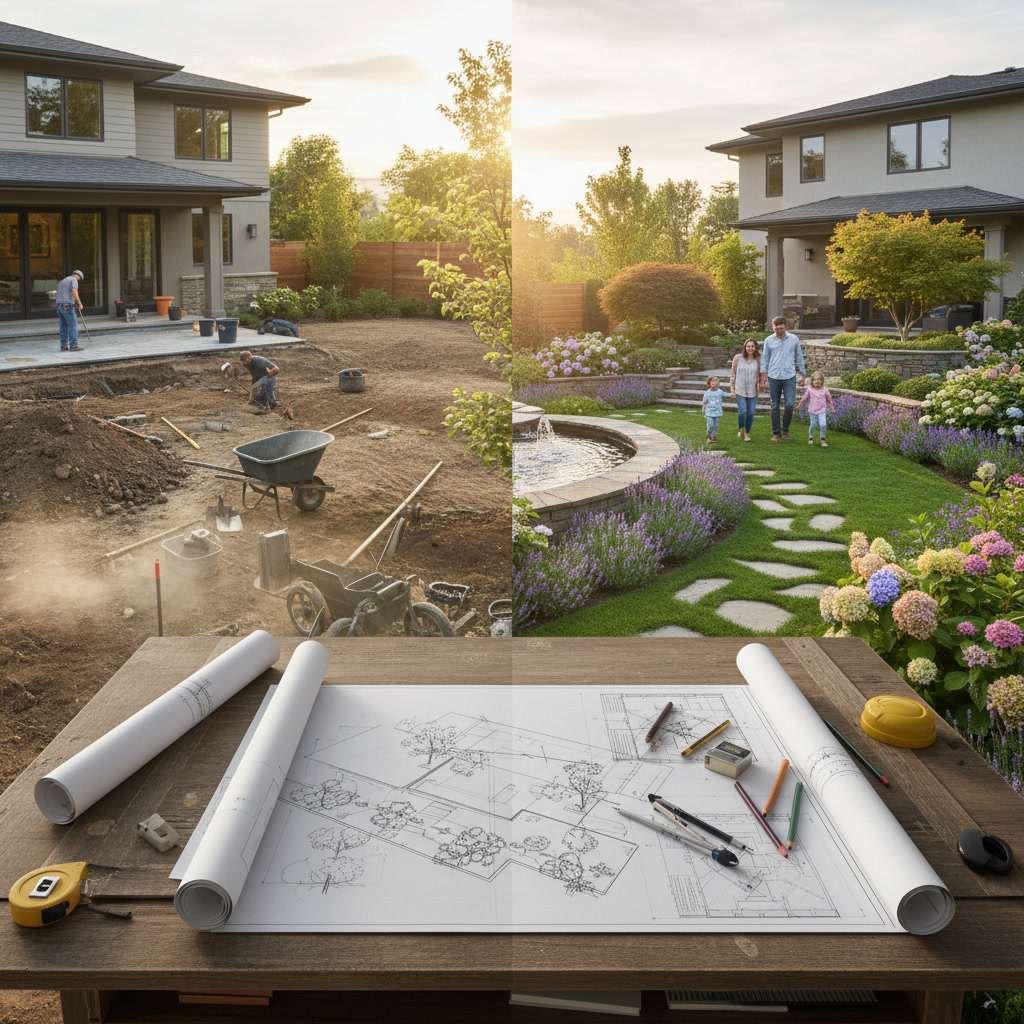
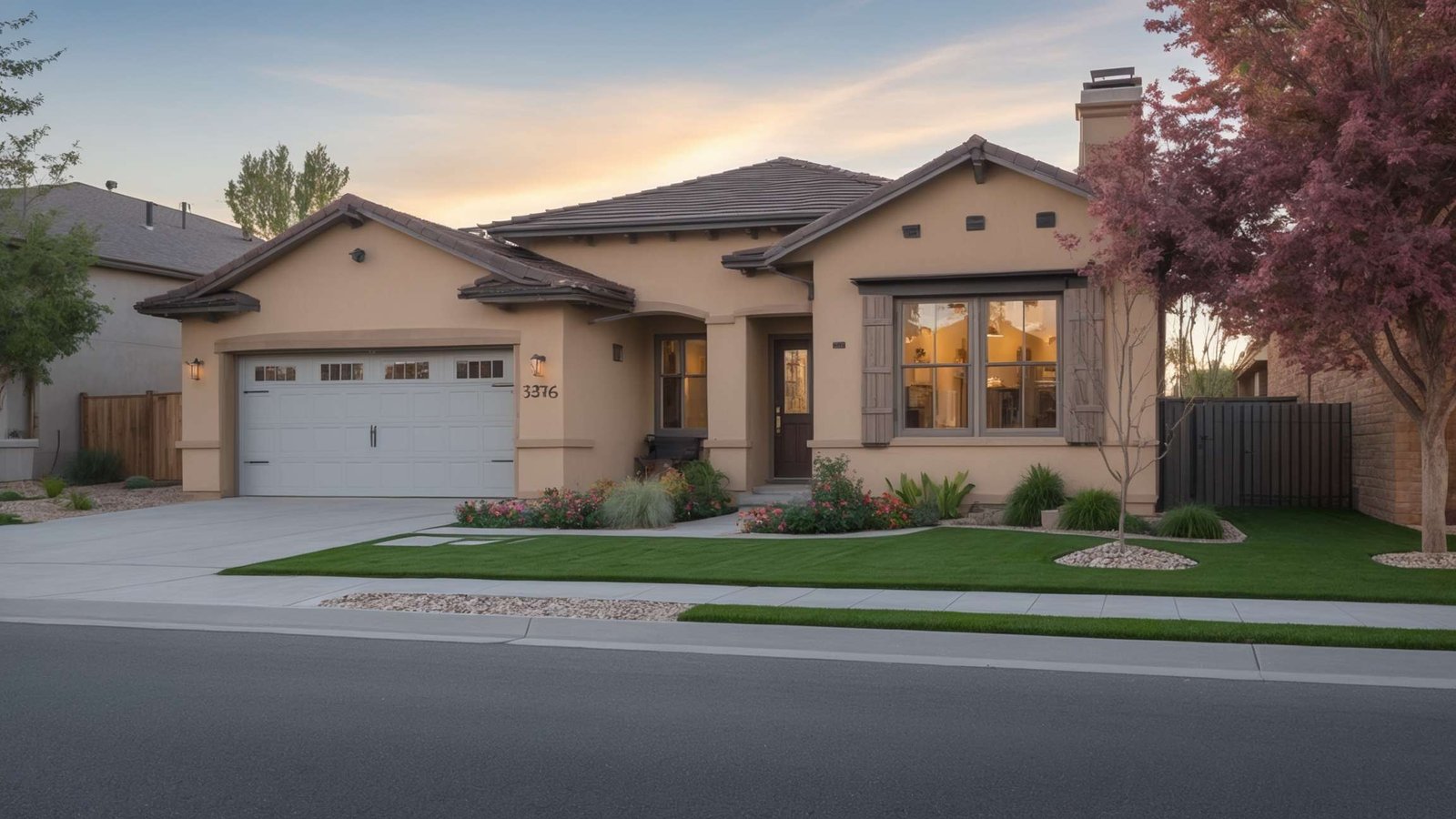
Your kids track mud through the house. The dog has worn a path along the fence line. Brown patches appear every summer no matter how much you water. If this sounds familiar, you’re not alone. Many Springville families face the same challenge: finding a lawn solution that can handle the daily wear from children and pets while staying green and safe.
This guide walks you through the best turf Springville homeowners choose when durability and family use matter most. We’ll compare natural grass varieties that thrive in Utah County’s climate against modern artificial turf options, covering everything from installation costs to pet-safe features.
Why Standard Grass Struggles in Family Yards
Traditional cool-season grasses common in Springville look beautiful when maintained properly. But they require consistent watering, fertilization, and rest periods to recover from heavy traffic. When kids run the same path to the trampoline or dogs patrol the perimeter daily, most grass varieties thin out quickly.
Springville sits at roughly 4,500 feet elevation with hot, dry summers and cold winters. This climate stresses grass during peak family outdoor time from May through September. Add in pets that dig, high-traffic play areas, and Utah’s ongoing water conservation efforts, and many homeowners realize their current lawn isn’t built for their lifestyle.
The solution isn’t necessarily replacing all your grass. Strategic turf choices in high-use zones, combined with durable grass varieties in lower-traffic areas, often delivers the best results for active families.
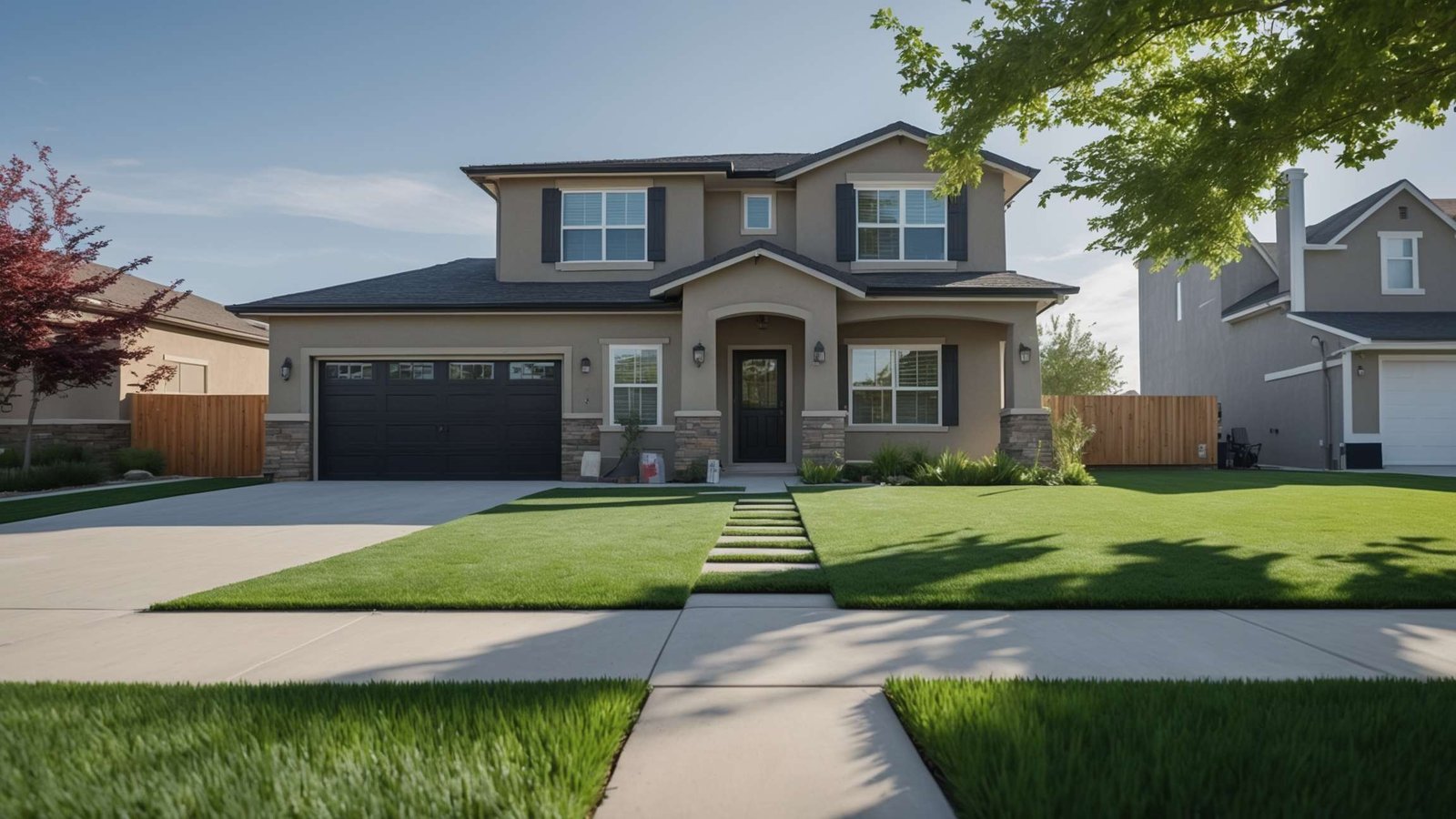
Natural Grass Options That Handle Heavy Use
If you prefer living grass, certain varieties tolerate foot traffic and pet activity better than others. The key is matching the grass type to your yard’s sun exposure and your willingness to maintain it.
Tall Fescue for High-Traffic Areas
Tall fescue ranks as the most durable cool-season grass for Springville’s climate. Its deep root system, often reaching 2-3 feet down, helps it survive drought and recover from wear. The wide, coarse blades stand up better to foot traffic than finer grasses.
Tall fescue stays green longer into fall and greens up earlier in spring compared to Kentucky bluegrass. It requires less water once established, typically 1 to 1.5 inches per week during summer. For families concerned about water bills and usage restrictions, this grass type makes sense.
The trade-off is texture. Tall fescue feels coarser underfoot than softer grasses. It also doesn’t self-repair as aggressively, so bare spots from heavy pet traffic may need overseeding.
Perennial Ryegrass for Quick Recovery
Perennial ryegrass germinates fast, often within 5-7 days, making it useful for quick repairs or new lawns when you want results quickly. It tolerates moderate foot traffic and establishes rapidly in spring and fall.
This grass works well in Springville yards that receive full sun to partial shade. It blends nicely with Kentucky bluegrass in seed mixes, combining ryegrass’s quick establishment with bluegrass’s self-repair abilities.
Ryegrass needs consistent moisture and doesn’t handle extreme heat or drought as well as tall fescue. Plan on more frequent watering during July and August if you choose a ryegrass-heavy blend.
Kentucky Bluegrass Blends
Kentucky bluegrass creates the classic dense, soft lawn many homeowners picture. It spreads through underground rhizomes, letting it fill in bare spots naturally over time. This self-repair quality helps in yards with moderate pet and kid activity.
The downside is higher water demand and slower recovery from severe damage. Pure Kentucky bluegrass lawns struggle under constant heavy use. Blended with 20-30% tall fescue or perennial ryegrass, you get better durability while keeping the soft texture.
If your yard has shaded areas under trees, note that Kentucky bluegrass needs at least four hours of direct sun daily. Consider alternative ground covers or artificial turf installations for heavily shaded spots.
Pro Tip: Request a soil test before seeding or sodding. Springville’s alkaline soils often need sulfur amendments to reach the ideal 6.0-7.0 pH range for grass growth. This simple step prevents thin, struggling lawns that can’t handle family use.
Artificial Turf Benefits for Active Families
Modern synthetic turf has evolved significantly from the hard plastic versions of the 1980s. Today’s products mimic natural grass appearance and feel while eliminating most maintenance. For families tired of muddy paws and brown patches, artificial turf solves multiple problems at once.
Durability That Outlasts Natural Grass
Quality artificial turf products carry 15 to 20-year warranties. They maintain consistent appearance regardless of traffic, weather, or pet activity. The backing and infill systems distribute weight evenly, preventing the worn paths and bare spots common with natural grass.
Dogs can run the same route daily without creating dirt trails. Kids can play on the same section repeatedly without killing the grass. This durability makes artificial turf the best turf Springville families choose for side yards, dog runs, and high-traffic play zones.
Water Savings Add Up
A typical 1,000-square-foot natural grass lawn in Springville uses roughly 15,000 to 20,000 gallons of water per season. Artificial turf requires only occasional rinsing to remove dust or pet waste. Over a 15-year lifespan, water savings alone can offset a significant portion of installation costs.
Springville’s water rates and conservation initiatives make this calculation increasingly favorable. If you’re planning full yard transformations, combining natural grass in front yards with synthetic turf in back play areas balances aesthetics with practicality.
Pet-Safe Materials and Drainage
Not all artificial turf is created equal when pets are involved. Look for products specifically rated as pet-friendly, which typically feature antimicrobial infill materials that resist odor and bacteria growth. Proper installation includes drainage layers that prevent urine pooling.
The backing should be perforated with drainage holes spaced every few inches. Quality installations slope the base slightly to encourage runoff. Plan to rinse high-use pet areas weekly and apply enzyme cleaners monthly to maintain freshness.
Avoid turf with zinc or lead-based infill materials. Opt for rounded silica sand, coated sand, or organic infill products like coconut fibers. These feel softer on paws and don’t retain heat as much during summer months.
Comparing Costs for Natural vs. Artificial Turf
Budget often decides which direction families take. Both options require upfront investment, but long-term costs differ significantly.
Natural Grass Installation and Maintenance
Sod installation for a 1,000-square-foot area typically runs $1,000 to $2,500 in Springville, depending on grass variety and site preparation needs. Seeding costs less upfront, around $500 to $1,200, but takes longer to establish and requires more careful watering.
Ongoing costs include water ($300-600 annually), fertilizer ($100-200), weed control ($150-300), and mowing equipment or service ($200-800 per season). Over 15 years, expect to spend $10,000 to $18,000 on a 1,000-square-foot natural grass lawn when you factor in all maintenance.
For perspective on full project costs, families considering broader updates might review typical backyard remodel expenses in the region.
Artificial Turf Investment
Professional artificial turf installation ranges from $12 to $20 per square foot in the Springville area, depending on product quality and site conditions. A 1,000-square-foot installation typically costs $12,000 to $20,000.
Maintenance costs drop to nearly zero. Plan on $100-200 annually for occasional cleaning supplies and enzyme treatments if you have pets. No mowing, no watering, no fertilizing, and no reseeding bare spots.
The higher upfront cost pays back through eliminated maintenance over time. Break-even typically occurs between years 8 and 12, depending on your natural grass maintenance expenses. After that point, artificial turf delivers pure savings.
Key Takeaway: If you plan to stay in your home for at least 10 years and have high-traffic areas that constantly need repair, artificial turf makes financial sense. For lower-traffic yards or shorter ownership timelines, improved natural grass varieties often deliver better value.
Installation Considerations for Springville Climate
Utah County’s freeze-thaw cycles and soil conditions create specific installation requirements. Cutting corners during installation leads to drainage problems, frost heave, and shortened turf lifespan.
Base Preparation Makes or Breaks Longevity
Proper artificial turf installation requires removing 3-4 inches of existing soil, installing a compacted crushed rock base, and adding a layer of decomposed granite or sand. This base layer prevents settling and ensures drainage.
Springville’s clay-heavy soils compact poorly and drain slowly. Skipping the base preparation or using inadequate materials leads to pooling water, uneven surfaces, and turf that buckles during freeze-thaw cycles. Many of the same installation requirements that apply in nearby Salem also matter for Springville projects.
Natural grass installation needs similar attention. Amend heavy clay soils with 2-3 inches of compost tilled 6-8 inches deep before laying sod or seeding. Without this step, grass roots struggle to penetrate, leading to shallow root systems that can’t handle drought or traffic.
Irrigation Planning
Even with drought-tolerant grass varieties, you’ll need efficient irrigation. In-ground sprinkler systems should deliver 1 to 1.5 inches of water weekly during growing season, applied in two or three sessions to encourage deep root growth.
If you’re installing artificial turf, you can eliminate most irrigation in that zone. However, keep a hose bib or quick-connect available for occasional rinsing. Homes with pets benefit from dedicated rinse areas with good drainage.
TG Landscaping offers complete irrigation layout and design services that account for mixed yards combining natural and artificial turf zones. Proper zoning prevents wasting water on areas that don’t need it while ensuring living grass receives adequate coverage.
Timing Your Installation
For natural grass, the best installation windows in Springville are mid-April through May and late August through September. Soil temperatures and moisture levels during these periods favor quick establishment and root growth.
Artificial turf can be installed nearly year-round, but spring and fall offer more comfortable working conditions and allow time for the base to settle before extreme weather. Avoid installing during frozen ground conditions or the wettest parts of early spring when base compaction becomes difficult.
Choosing the Best Turf for Specific Yard Zones
Most families find that mixing turf types by zone delivers the best overall results. Not every square foot of your yard receives the same use or has the same requirements.
Front Yards and Curb Appeal
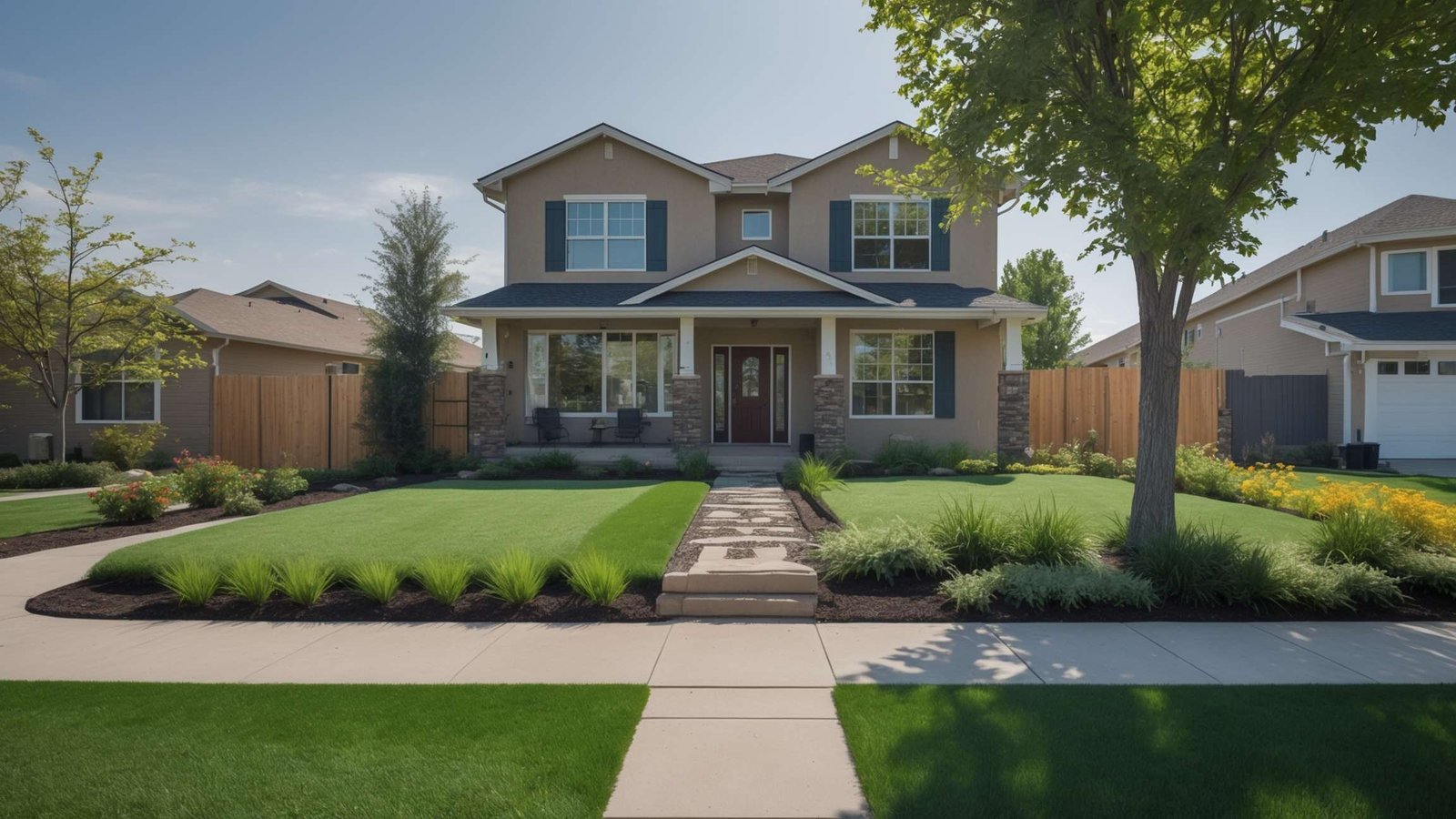
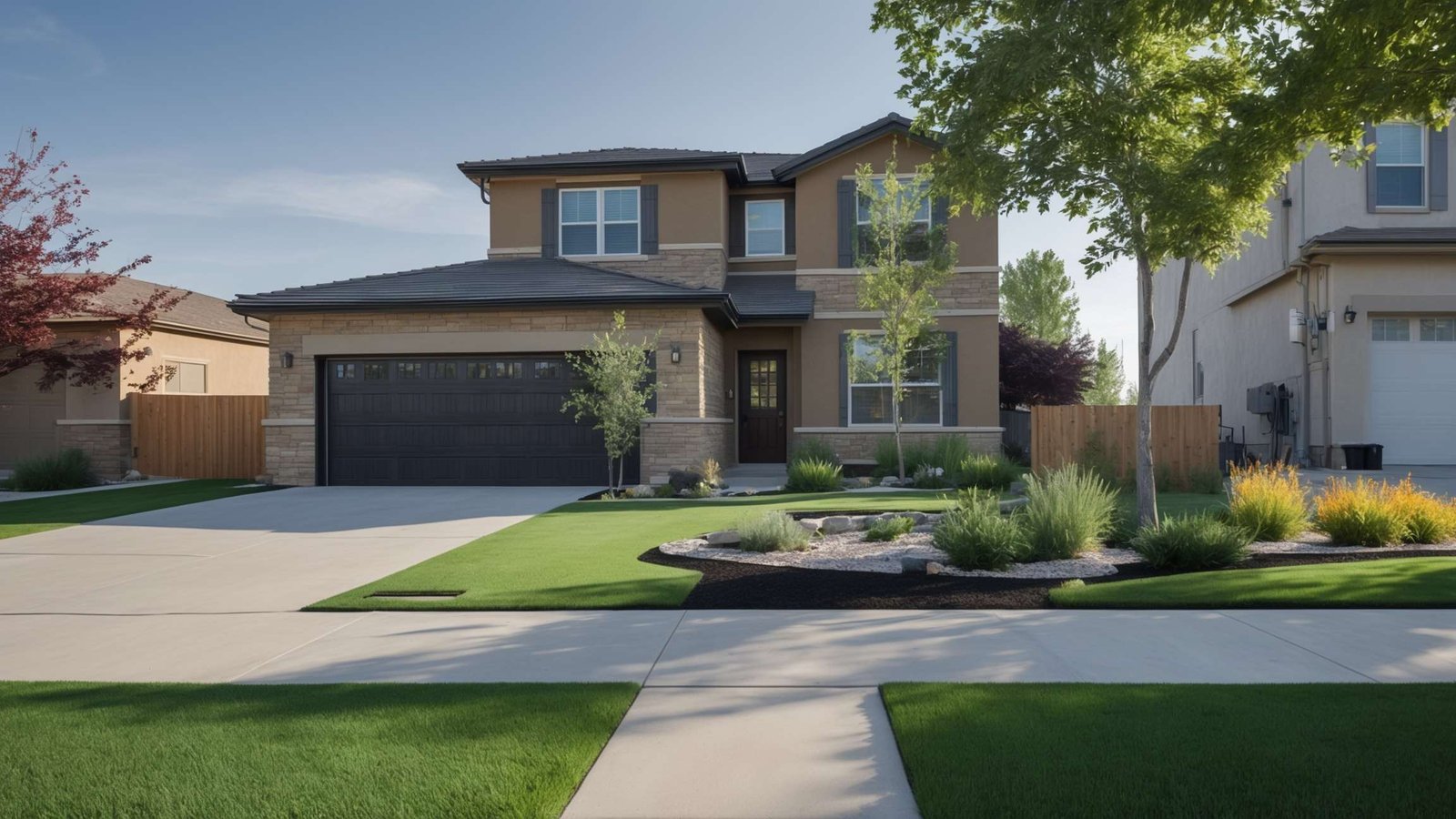
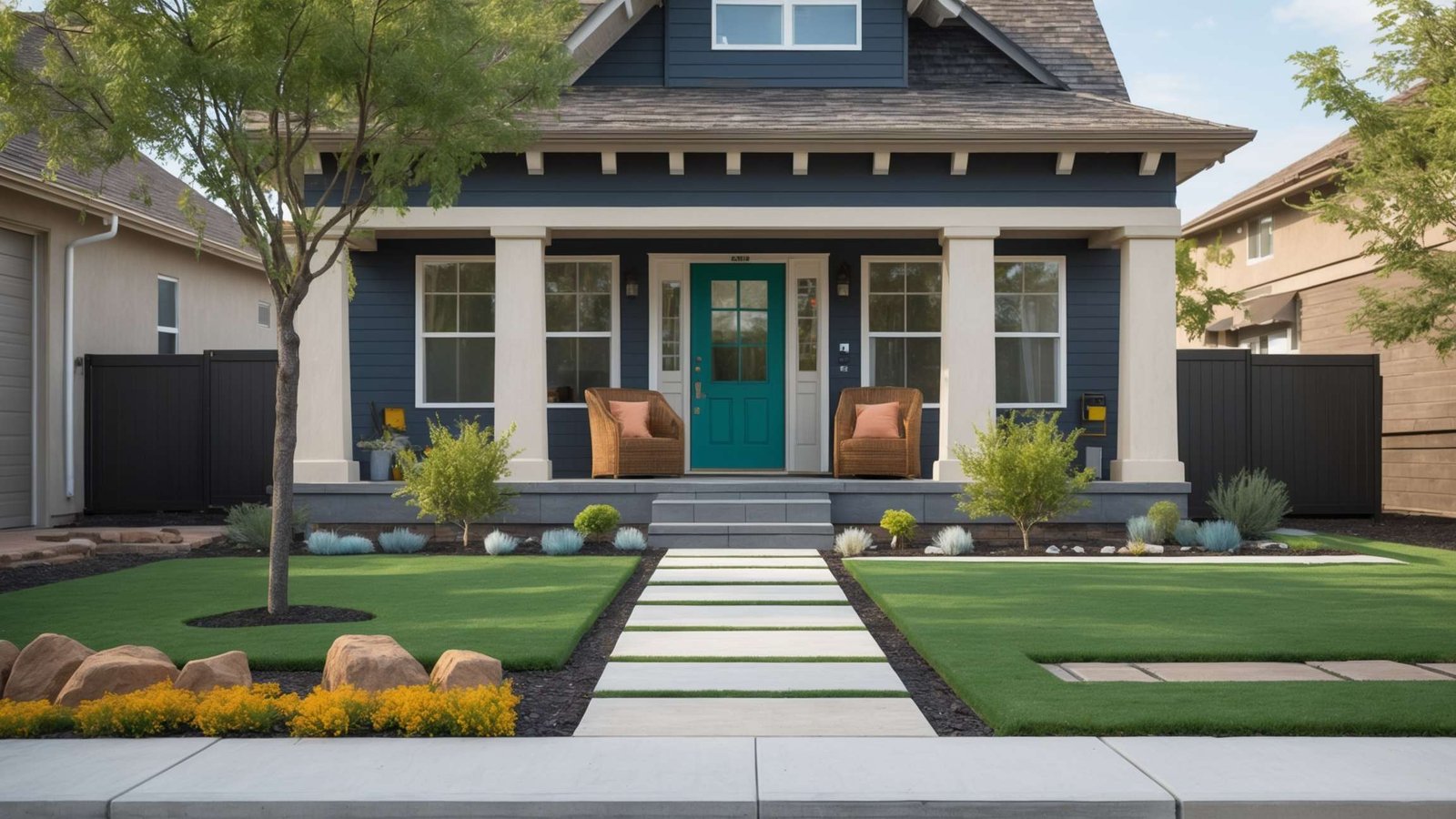
Front yards typically see lighter traffic and benefit from the traditional look of natural grass. A Kentucky bluegrass blend or tall fescue lawn creates the classic appearance most neighborhoods expect while handling occasional foot traffic from kids playing or guests walking to the door.
If water conservation is a priority, consider reducing front lawn size with rock gardens, native plantings, or decorative concrete borders. This approach maintains curb appeal while cutting maintenance and water use by 30-50%.
Backyards and Play Areas
Backyards face the heaviest use. If your family spends significant time outdoors, artificial turf in high-traffic zones makes sense. Install it under swing sets, around trampolines, along fence lines where dogs patrol, and in play areas that take constant pounding.
Keep natural grass in open areas used for occasional games or lounging. This mixed approach delivers the soft, cool feel of real grass where you want it while eliminating maintenance headaches in problem zones.
Dog Runs and Pet Areas
Dedicated dog runs work best with artificial turf designed specifically for pets. These products feature enhanced drainage, antimicrobial infill, and durable backing that stands up to digging and wear.
Size the area large enough that dogs can move freely. A 10×20-foot run provides adequate space for most medium to large dogs. Include shade structures or covered sections so pets can escape direct sun during summer afternoons when turf surface temperatures rise.
Side Yards and Narrow Spaces
Side yards between homes often receive limited sun and heavy foot traffic from kids taking shortcuts or utility access. These spots struggle to maintain natural grass. Artificial turf eliminates the muddy mess and creates usable pathways that look green year-round.
Alternatively, consider permeable pavers, gravel paths, or shade-tolerant ground covers like clover in these zones. The best solution depends on how you use the space and what connects to it.
Maintenance Tips for Long-Lasting Results
Regardless of which turf type you choose, proper maintenance extends its life and keeps it looking good for your family.
Natural Grass Care for Heavy-Use Yards
Mow at 3 to 3.5 inches height. Taller grass develops deeper roots that tolerate drought and traffic better. Sharp mower blades cut cleanly instead of tearing, reducing disease risk.
Water deeply but infrequently. Two or three sessions per week that deliver 0.5 inches each time work better than daily light watering. Deep watering encourages roots to grow down where they access more moisture and nutrients.
Aerate compacted areas annually, typically in early fall. Core aeration pulls plugs of soil, relieving compaction and allowing water and nutrients to reach roots. This single step dramatically improves grass health in high-traffic zones.
Overseed thin areas each fall with a blend matching your existing grass. Rake the area lightly, spread seed at recommended rates, and keep it moist for two weeks. This prevents weeds from colonizing bare spots and maintains thick turf that resists wear.
Artificial Turf Maintenance
Rinse pet areas weekly with a hose to remove waste and dust. Use a stiff brush or power broom monthly to lift flattened fibers and redistribute infill materials that settle over time.
Apply enzyme-based cleaners designed for artificial turf every 4-6 weeks if you have pets. These products break down organic materials and control odor without damaging turf fibers.
Remove leaves and debris regularly. Unlike natural grass that composts organic material, artificial turf can develop mold or mildew if leaves sit for extended periods. A leaf blower makes quick work of seasonal cleanup.
Check infill levels annually. High-traffic areas may need additional infill to maintain cushioning and keep fibers upright. Most manufacturers recommend maintaining 2-3 pounds of infill per square foot.
How TG Landscaping Helps Springville Families
With over 15 years serving Utah County, TG Landscaping understands what works in Springville’s climate and soil conditions. We’ve installed both natural sod and artificial turf in hundreds of family yards, and we can walk you through the pros and cons of each option for your specific property.
Our process starts with evaluating your yard’s sun exposure, drainage patterns, and traffic zones. We’ll discuss how your family uses outdoor space, pet considerations, and maintenance preferences. From there, we develop a plan that might include premium sod in some areas, artificial turf in others, and complementary features like efficient irrigation or drainage improvements.
We handle the complete installation process, from base preparation and soil amendment through final turf placement and irrigation setup. Our background in concrete work means we can also integrate patios, walkways, and borders that tie your whole yard together.
Frequently Asked Questions
Is artificial turf safe for children and pets?
Yes, when you choose quality products specifically rated for residential use. Look for turf with non-toxic infill materials like silica sand or organic options, and ensure the backing contains no harmful chemicals. Avoid products with crumb rubber infill, especially if young children will be playing directly on the surface. Proper installation with good drainage prevents bacterial growth and odor issues common in lower-quality installations.
How hot does artificial turf get during Springville summers?
Artificial turf surface temperatures can reach 120-160 degrees on sunny July afternoons, significantly hotter than natural grass which stays cool through evapotranspiration. Newer turf products with heat-reflective coatings or lighter color blends run 10-15 degrees cooler than older dark green varieties. Install shade structures over play areas, choose lighter-colored products, or plan active play time for mornings and evenings when surface temperatures drop.
Can I install artificial turf myself to save money?
While DIY installation is possible, improper base preparation frequently leads to drainage problems, uneven surfaces, and shortened turf life. The specialized equipment needed for base compaction, precise grading, and seaming often costs more to rent than the labor savings justify. Most manufacturers also void warranties on self-installed turf. Unless you have landscaping experience and proper equipment, professional installation delivers better long-term value.
What grass seed blend works best for Springville yards with pets?
A mix of 60-70% turf-type tall fescue with 20-30% perennial ryegrass and 10% Kentucky bluegrass handles pet traffic well. The tall fescue provides durability and drought tolerance, ryegrass fills in quickly when damaged, and bluegrass spreads to repair bare spots over time. Look for varieties labeled as “high-traffic” or “athletic field” blends, which contain cultivars bred specifically for wear tolerance.
How long does artificial turf last in Utah’s climate?
Quality artificial turf installed correctly typically lasts 15-20 years in Springville. UV exposure causes the most wear, gradually fading colors and weakening fibers. Products with UV stabilizers in the manufacturing process last longest. Proper maintenance, including regular brushing and infill replenishment, extends lifespan. Budget-grade products may show significant wear in 8-10 years, while premium residential turf often looks good for two decades.
Making Your Decision
The best turf Springville homeowners choose depends on how they use their yard, their maintenance preferences, and their budget. Natural grass varieties like tall fescue deliver traditional beauty and feel at lower upfront cost but require ongoing care. Artificial turf eliminates most maintenance and handles extreme traffic but demands higher initial investment.
Most successful family yards combine both approaches strategically. Natural grass where appearance and soft feel matter most, artificial turf in high-wear zones where constant repairs become frustrating. This balanced approach gives you the benefits of each without the full cost or maintenance burden of a single solution.
TG Landscaping can help you evaluate your Springville property and design a turf solution that fits your family’s needs. We’ll show you product samples, discuss long-term costs, and create a plan that works with your budget and timeline. Call us at +13856265019 or visit our office at 293 West 100 North in Payson to start planning your yard transformation.