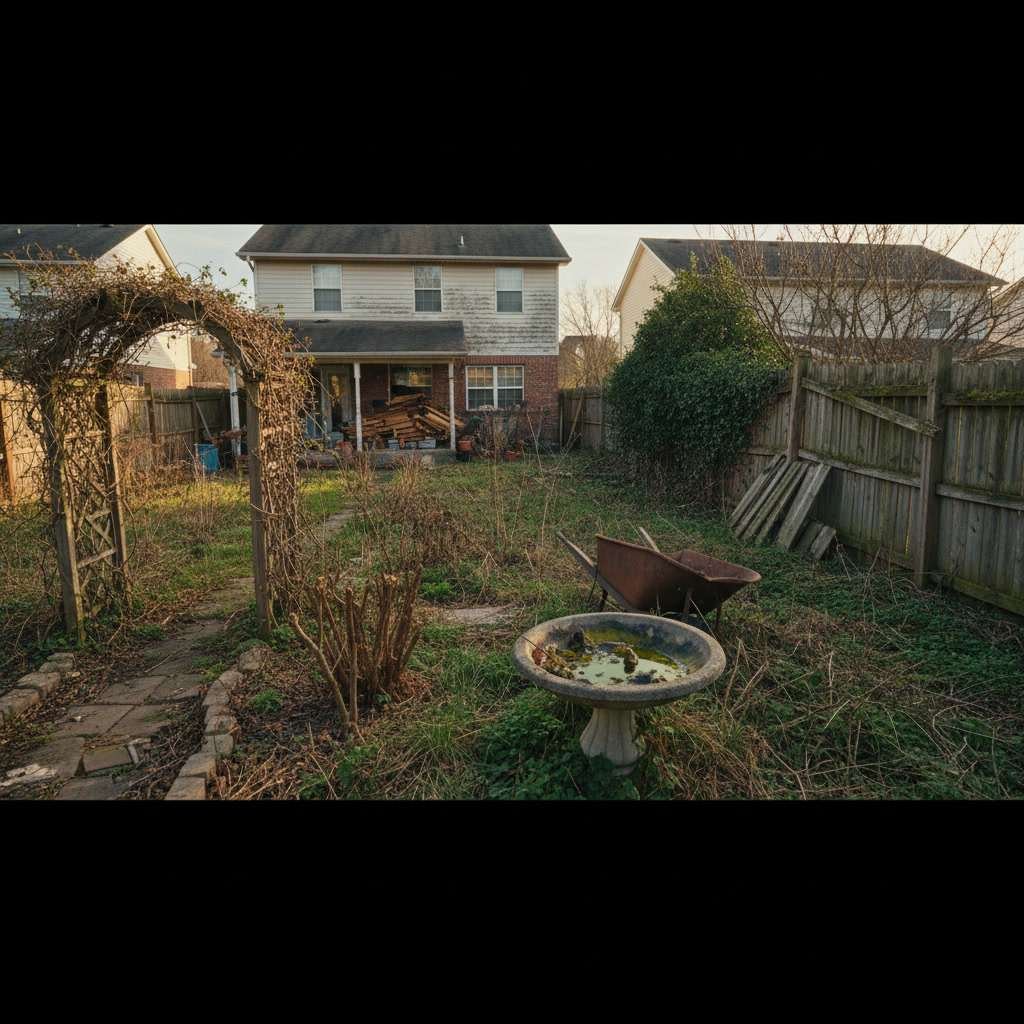
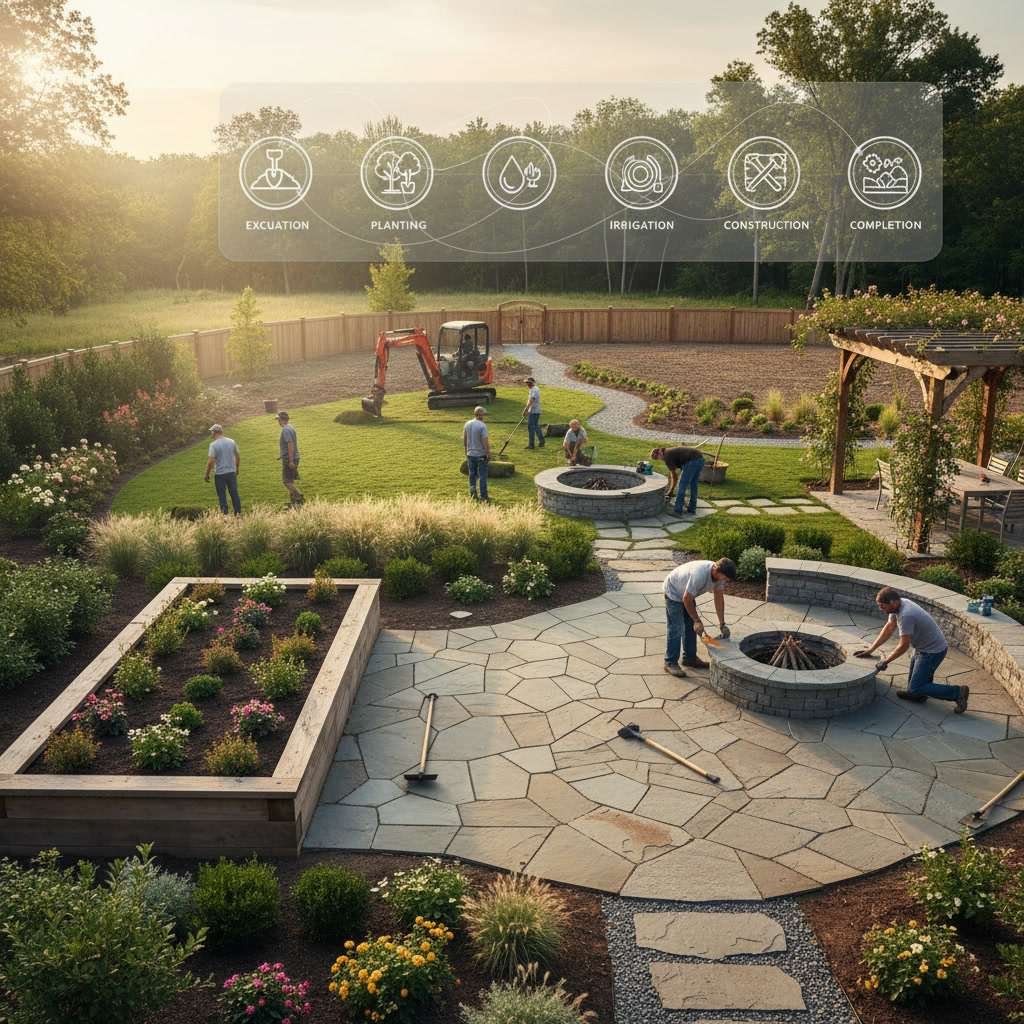
Your yard has been neglected for years, the sprinkler system barely functions, the grass is patchy, and there’s no clear outdoor living space. You know a few quick fixes won’t cut it. Full yard transformation services address every element of your outdoor space in one coordinated project, from irrigation and grading to turf, hardscaping, and landscape plantings. Understanding what’s included and how long each phase takes helps you plan realistically and avoid surprises halfway through construction.
This guide walks through every stage of a comprehensive yard transformation, the typical duration for each phase, and what factors can speed up or delay your project timeline. Whether you’re considering a complete overhaul or simply want to know what’s involved before requesting a quote, you’ll find detailed answers here.
Initial Consultation and Site Assessment
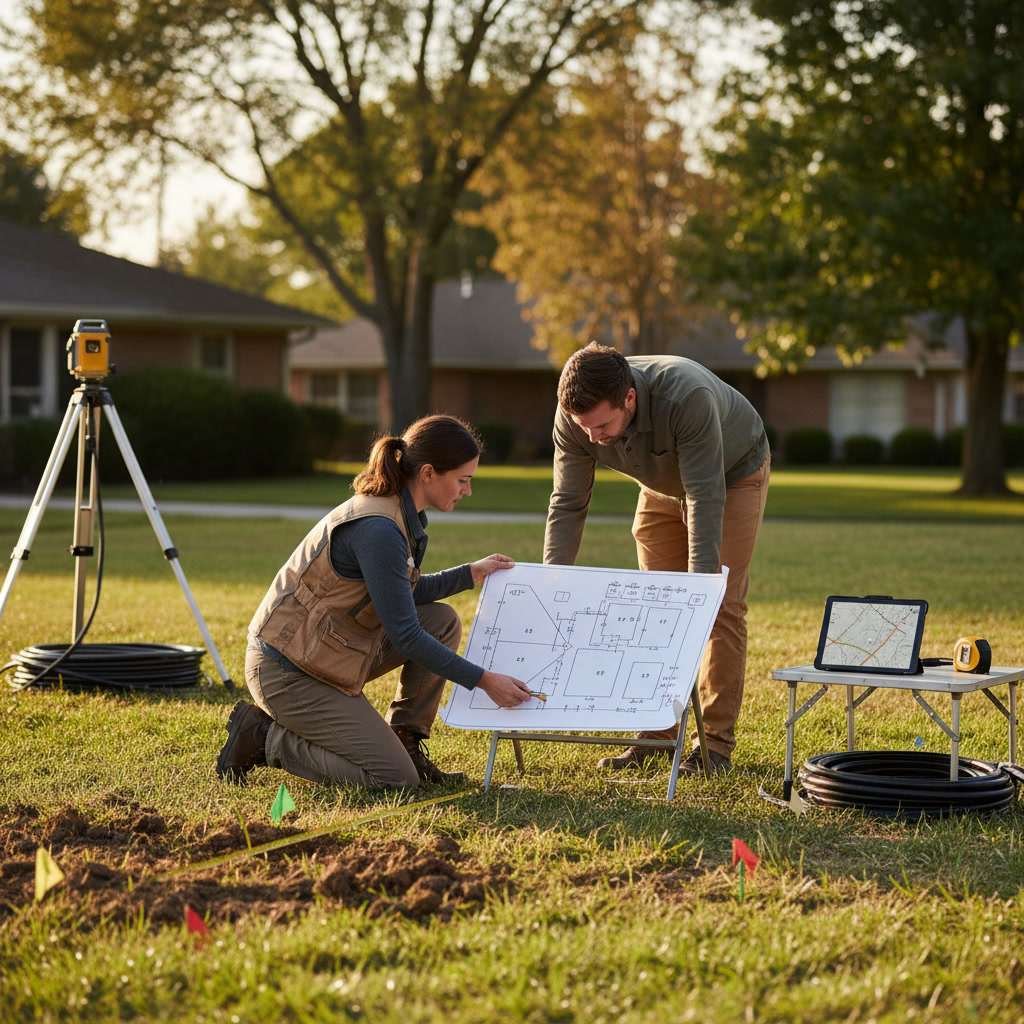
The first phase involves meeting with your contractor to discuss your goals, budget, and site constraints. A thorough site assessment includes measuring the yard, evaluating existing drainage patterns, checking soil conditions, noting sun and shade zones, and identifying any underground utilities or easements.
This phase typically takes one to two weeks from your initial contact to receiving a detailed proposal. During this time, the contractor will photograph the site, sometimes create a rough sketch, and gather information about your preferences for outdoor living areas, plantings, and maintenance level.
For properties in Payson and surrounding areas, site assessments also consider local soil types, water availability, and HOA restrictions if applicable. These factors directly influence design decisions and material selections.
Design and Planning Phase
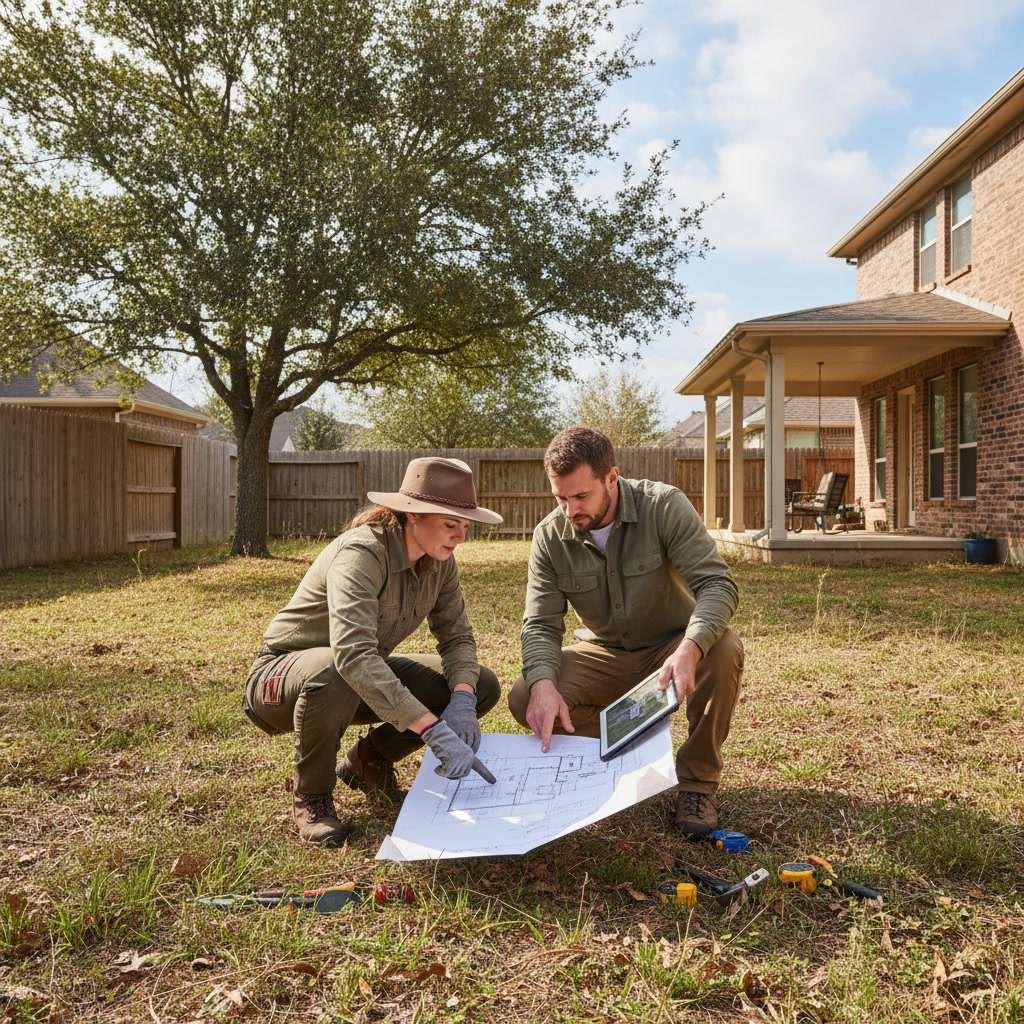
Once you approve moving forward, the design phase begins. This includes creating scaled drawings or digital renderings that show hardscape placement, planting beds, turf areas, irrigation zones, lighting locations, and any structures like pergolas or retaining walls.
Professional residential landscaping design takes two to four weeks depending on project complexity. Simple yard layouts with basic plantings and turf move faster than designs incorporating multiple elevation changes, complex paver patterns, or custom water features.
During this phase, you’ll review material samples for pavers, stone, turf types, and plant selections. Revisions are normal and expected. Most projects go through two to three rounds of refinements before final approval.
Once the design is finalized, the contractor orders materials and schedules subcontractors. Lead times for specialty materials like custom stone or specific turf varieties can add one to three weeks before work begins.
Permit Acquisition
Projects involving significant grading, retaining walls over a certain height, or electrical work for lighting and water features typically require permits. Permit processing in Utah County usually takes one to three weeks, though timelines vary by jurisdiction and season.
Your contractor should handle all permit applications and inspections as part of their full yard transformation services. This ensures compliance with local building codes and protects you from future issues when selling your property.
Site Preparation and Demolition
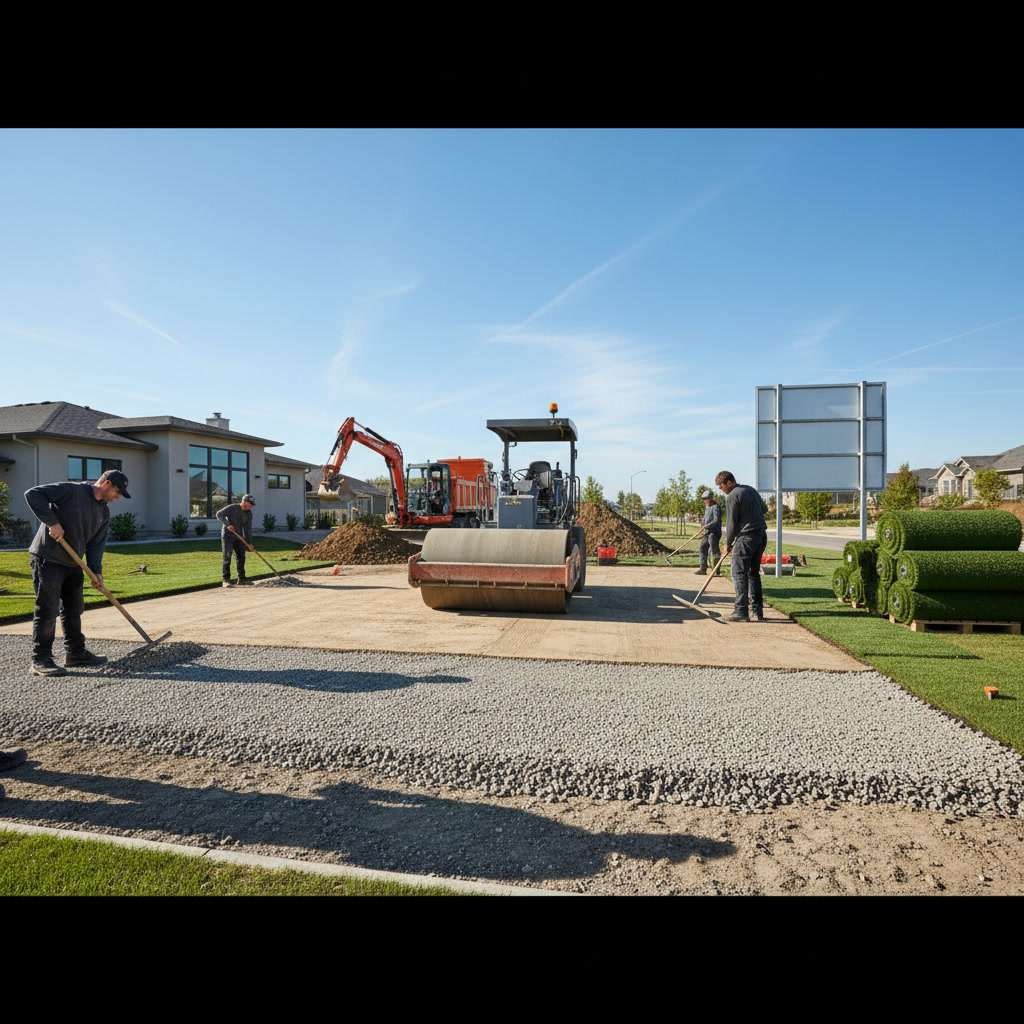
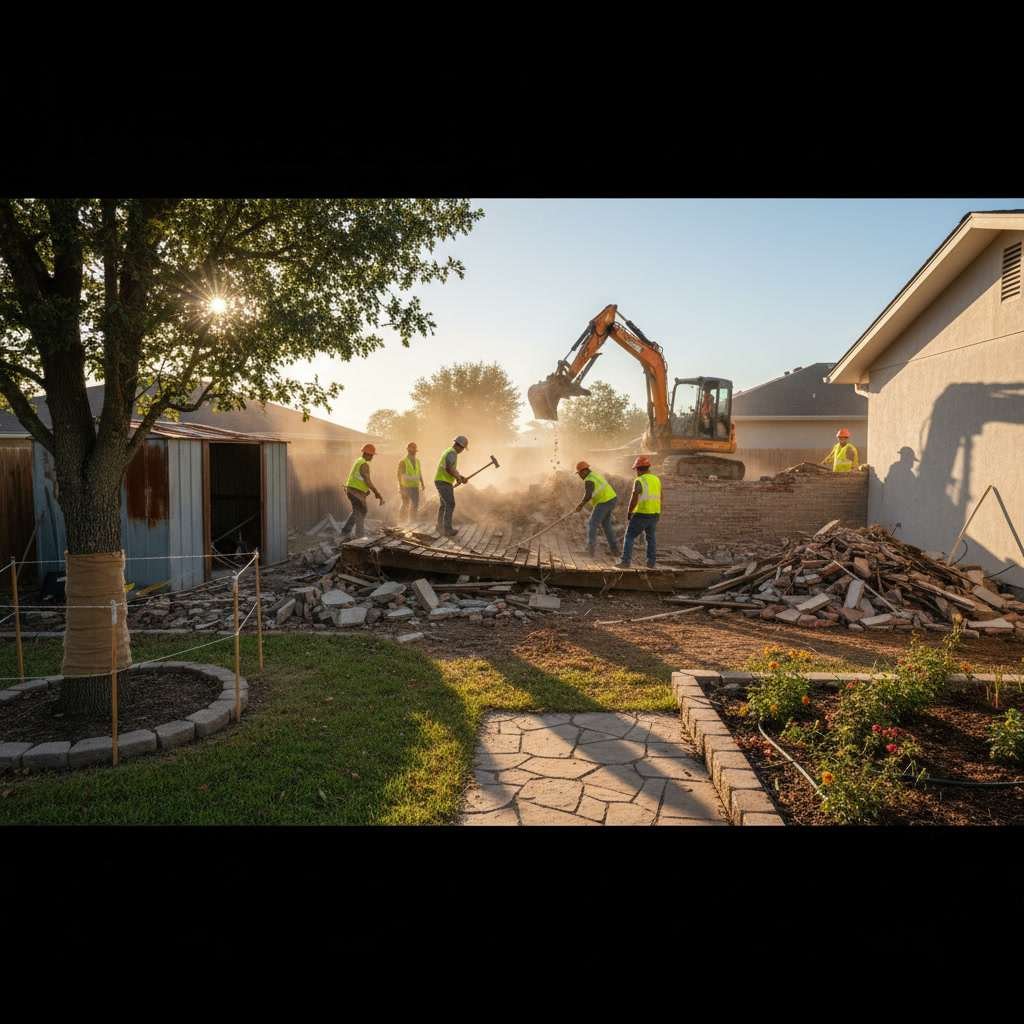
The physical work begins with site prep. Crews remove existing vegetation, old concrete or pavers, failed irrigation components, and any other materials being replaced. They also strip sod from areas where new grading or hardscaping will occur.
Site preparation typically takes two to five days depending on yard size and the amount of existing material to remove. Larger properties or those with extensive demolition needs can take up to a week.
This phase often reveals hidden issues like poor drainage, compacted soil, or additional irrigation repairs beyond what was visible during the initial assessment. Budget a small contingency for unexpected discoveries, typically five to ten percent of your total project cost.
After demolition, crews rough-grade the site to establish proper drainage slopes and prepare for the next phase. Proper grading is critical for long-term performance, particularly in areas with clay soil common throughout Spanish Fork and neighboring communities.
Irrigation System Installation or Upgrade
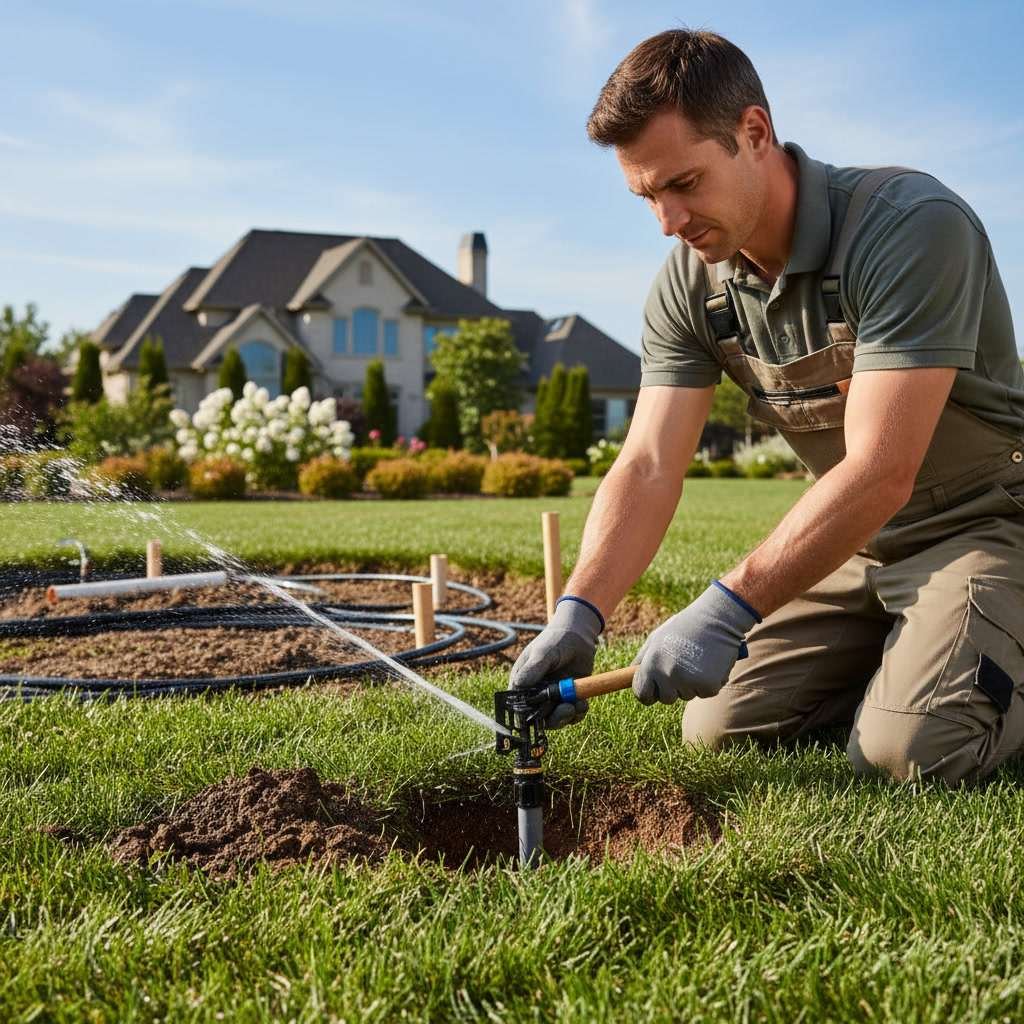
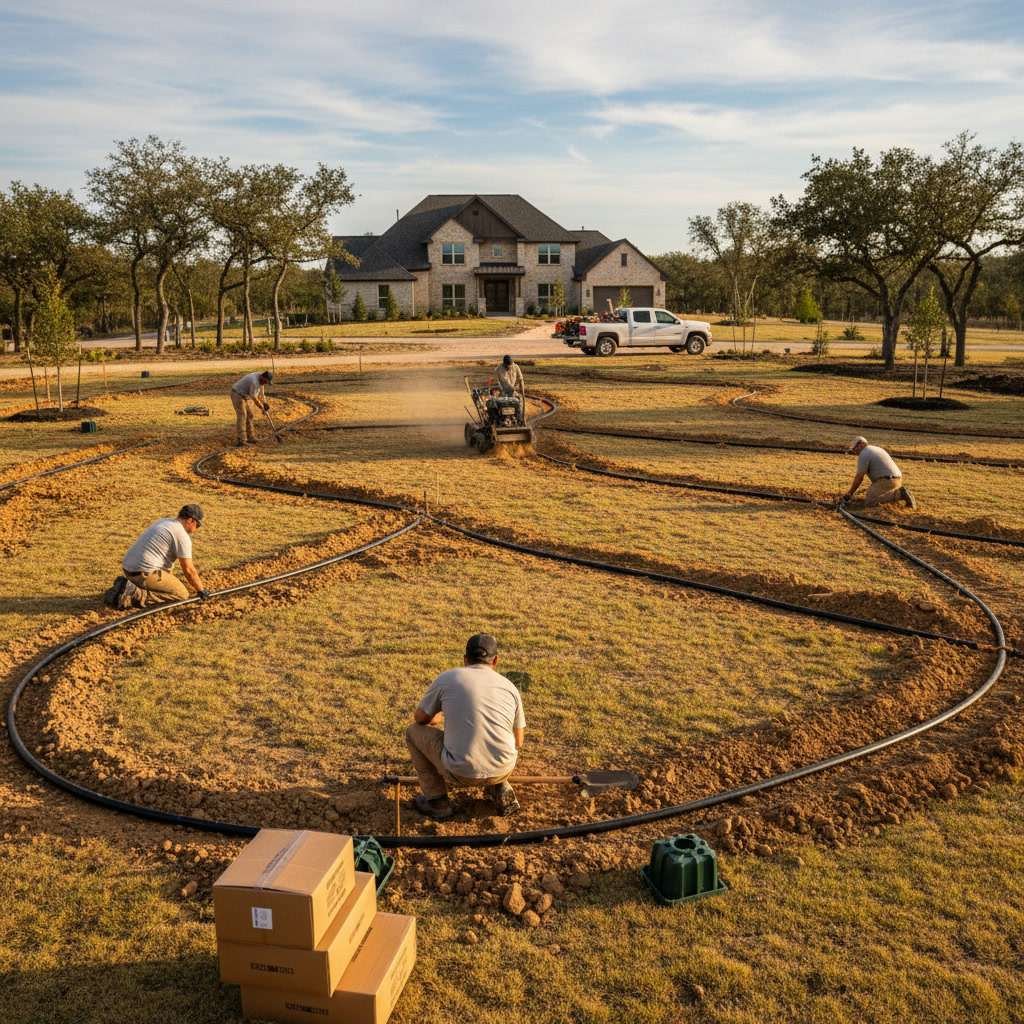
With the site cleared and graded, irrigation layout and design work begins. Full yard transformation services include either installing a complete new system or thoroughly upgrading the existing one to match your new landscape design.
Irrigation installation takes three to seven days for most residential properties. Smaller yards under 5,000 square feet may complete in two to three days, while properties over 10,000 square feet with multiple zones and drip systems for planting beds can take up to two weeks.
The system includes mainline trenching, zone valve installation, lateral line placement, sprinkler head positioning, controller programming, and thorough testing. Quality installations use pressure-rated PVC, commercial-grade valves, and properly sized heads to ensure even coverage without waste.
Pro Tip: Plan irrigation zones based on plant water needs, not just convenience. Group high-water plants like turf separately from drought-tolerant shrubs and trees to avoid overwatering and reduce long-term maintenance costs.
Many homeowners discover they can significantly improve water efficiency by addressing common irrigation layout mistakes during a full yard transformation rather than continuing with an outdated system.
Hardscaping and Concrete Work
Hardscaping forms the backbone of most yard transformations. This phase includes patios, walkways, retaining walls, decorative borders, fire pit pads, and any concrete or paver surfaces.
Hardscape installation typically takes one to three weeks depending on scope. A simple stamped concrete patio might complete in three to five days, while an elaborate multi-level design with seat walls, built-in planters, and intricate paver patterns can take three to four weeks.
Base preparation is critical for long-lasting hardscaping. Crews excavate to proper depth, install compacted aggregate base, add edge restraints, and then lay pavers or pour and finish concrete. Each layer requires time to properly compact or cure before proceeding.
Concrete work requires adequate cure time before foot traffic or additional construction. Most contractors wait at least three to five days after pouring before resuming adjacent work, and full cure strength develops over 28 days.
Retaining Walls and Grade Changes
Properties with significant slope often require retaining walls to create usable flat areas. Wall construction adds time but dramatically expands functional outdoor space.
Retaining walls take one to two weeks depending on height, length, and material. Segmental block walls install faster than natural stone, though both require proper drainage behind the wall to prevent failure.
If you’re curious about realistic project costs, our breakdown of backyard remodel expenses from dirt to finished provides detailed budget guidance for properties similar to yours.
Turf Installation and Planting Beds
With hardscaping complete and irrigation tested, crews move to turf and plantings. Turf applications and installation includes soil preparation, amendments, final grading, and either sod installation or seeding.
Sod installation takes two to four days for most residential yards. Soil must be properly prepared with amendments and fine grading to eliminate low spots that collect water. Sod is laid in a brick pattern, edges are tightly butted, and the entire area is thoroughly watered immediately after installation.
Seeding is less expensive but adds three to six weeks to your timeline before the lawn is established enough for light use. Most homeowners choose sod for instant results and immediate erosion control.
Planting bed preparation includes amending soil, installing landscape fabric or weed barrier in appropriate areas, and adding quality mulch. Tree and shrub planting follows, with placement based on mature size and sun requirements.
Planting typically takes two to five days depending on the number and size of plants. Larger specimen trees require machinery for placement and proper staking to ensure straight growth during establishment.
Mulch and Decorative Rock
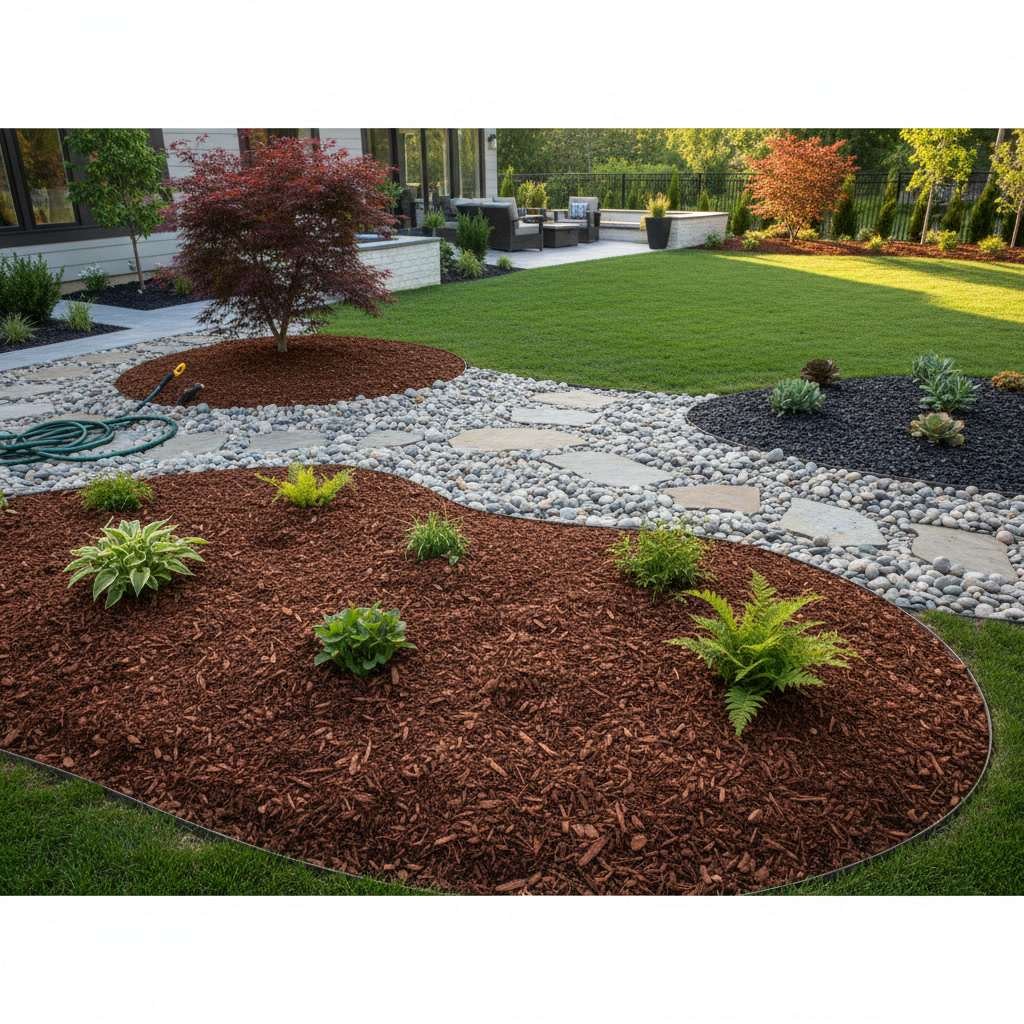
The finishing touch for planting beds is mulch or decorative rock. Mulch conserves moisture, moderates soil temperature, and suppresses weeds while breaking down over time to improve soil quality.
Decorative rock is popular in Utah landscapes for its permanence and low maintenance, though it doesn’t improve soil and can make future planting more difficult. Apply three to four inches of mulch or rock over landscape fabric for best results.
Water Features and Specialty Elements
Many full yard transformation services include optional specialty elements that add visual interest and functionality. Water features like fountains, ponds, or waterfalls require additional time for installation but create stunning focal points.
Water feature installation takes three to ten days depending on complexity. Simple bubbling rock features or pre-formed fountain installations complete quickly, while custom pond construction with rock work, plant shelves, and recirculating systems take up to two weeks.
Other specialty elements include outdoor lighting, pergolas, shade structures, outdoor kitchens, and fire features. Each adds time to your overall project but significantly enhances usability and property value.
Outdoor lighting installation typically adds two to three days to your timeline. Proper landscape lighting requires buried conduit, transformer placement, fixture installation, and careful aiming to highlight key features without creating glare.
Final Grading and Cleanup
The final phase includes detail work and thorough cleanup. Crews fine-tune grades around hardscaping, ensure proper drainage flow, make final irrigation adjustments, and remove all construction debris.
Final cleanup and punch-list items typically take one to two days. The contractor walks the property with you to address any concerns and provide maintenance instructions for your new landscape.
This is also when you receive controller programming details, plant care instructions, and a maintenance schedule for the first growing season. Proper establishment care determines long-term success, so follow these guidelines carefully.
Key Takeaway: Most full yard transformations take four to eight weeks from first shovel to final cleanup. Simple projects with minimal hardscaping complete in three to four weeks, while complex designs with multiple specialty features can extend to ten to twelve weeks.
Factors That Affect Project Timeline
Several variables influence how quickly your yard transformation progresses. Weather is the most common delay factor. Rain delays concrete work and makes soil too wet for proper compaction or grading.
Spring and fall are the busiest seasons for landscaping in Utah County, meaning contractor availability may be limited. Summer heat makes concrete finishing more challenging and requires careful timing to prevent premature drying.
Material availability has become more unpredictable in recent years. Standard materials usually ship within days, but specialty pavers, custom stone, or specific plant varieties may have lead times of several weeks.
Permit delays, utility locates, or unexpected site conditions also push timelines. Underground utilities not marked on plans, unmarked irrigation lines, or poor soil requiring additional excavation and fill all add time.
Property access affects efficiency too. Narrow side yards or homes with limited backyard access slow material delivery and equipment movement, potentially adding several days to construction time.
What to Expect During Construction
Understanding the day-to-day reality of construction helps you prepare. Crews typically arrive between 7:00 and 8:00 AM and work until 4:00 or 5:00 PM on weekdays.
Expect noise from equipment, dust during demolition and base preparation, and limited yard access during active construction. Most contractors establish material staging areas and designate paths for equipment to minimize lawn damage in areas not being renovated.
Communication is critical during multi-week projects. Quality contractors provide regular updates, inform you of any issues or changes, and remain responsive to questions. Establish your preferred communication method and expected update frequency at project start.
Some phases are louder and more disruptive than others. Demolition and base prep involve heavy equipment and generate the most noise and dust. Planting and finish work are quieter and less intrusive.
Post-Installation Care and Maintenance
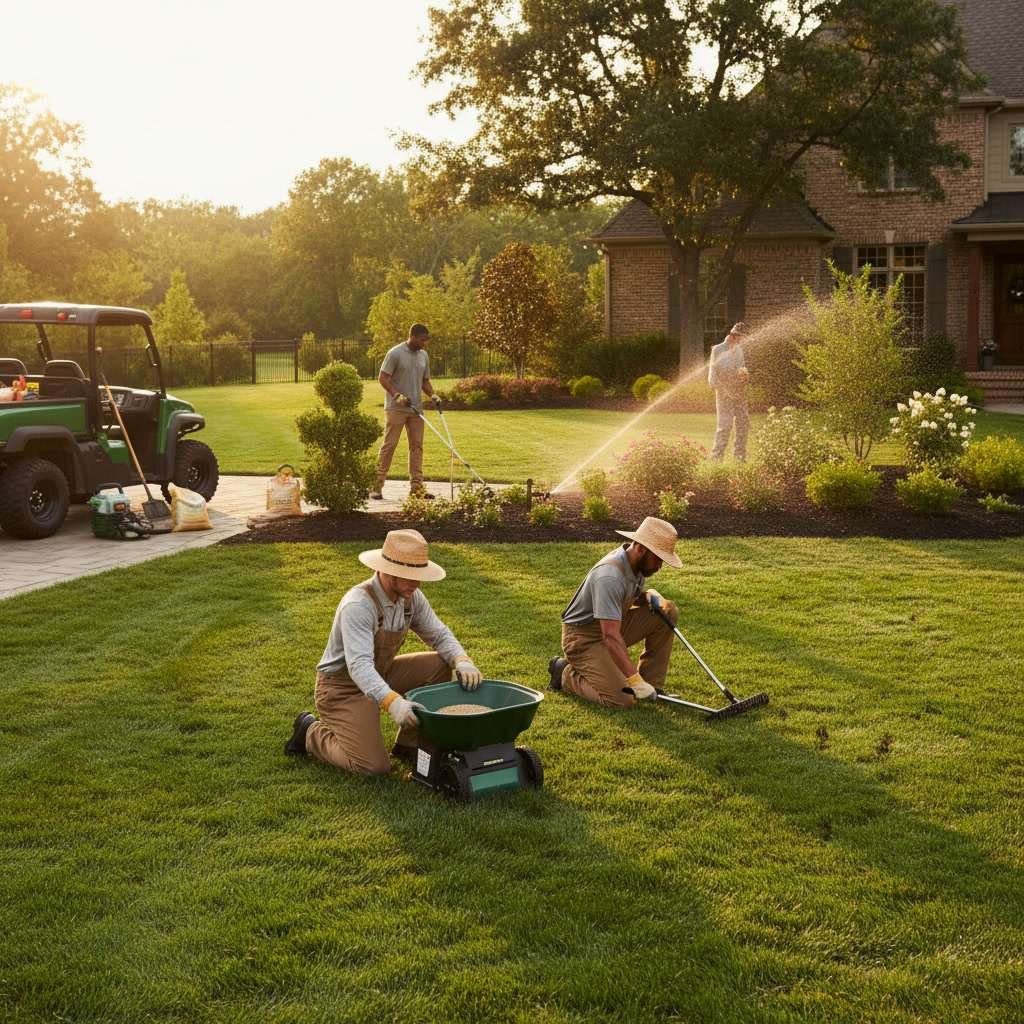
Your responsibilities begin once construction completes. New sod requires frequent light watering for the first two weeks, gradually transitioning to deeper, less frequent watering as roots establish.
Trees and shrubs need consistent moisture during their first growing season. Most require weekly deep watering if rainfall is insufficient. Mulch helps retain moisture and should be refreshed annually.
Newly installed irrigation systems need monitoring during the first few weeks. Check for dry spots indicating inadequate coverage, wet spots suggesting head adjustment needs, or system leaks requiring repair.
Consider establishing a regular lawn maintenance plan to protect your investment. Professional maintenance ensures your landscape remains healthy and attractive while addressing small issues before they become expensive problems.
Frequently Asked Questions
How much do full yard transformation services typically cost?
Complete yard transformations in Utah County typically range from $25,000 to $75,000 depending on yard size, hardscaping extent, and feature complexity. Small yards with basic designs start around $15,000, while large properties with extensive hardscaping, custom water features, and mature plantings can exceed $100,000. The best approach is requesting detailed quotes from contractors familiar with your area.
Can I live in my home during a yard transformation project?
Yes, most homeowners remain in their homes throughout construction. Contractors establish safe pathways and work zones to maintain access. Expect some disruption from noise, equipment, and material deliveries, but daily life continues relatively normally. Communicate any special concerns like work-from-home schedules or small children to help contractors plan accordingly.
What time of year is best for starting a yard transformation?
Spring and fall offer the best conditions for most landscape installations in Utah. Cooler temperatures reduce plant stress and make physical work easier. However, hardscaping can proceed year-round when temperatures stay above freezing. Summer works well if you can water new plantings consistently, though concrete work requires careful timing during extreme heat. Winter is best avoided for most projects due to frozen ground and unpredictable weather.
Do I need to remove old landscaping myself before the contractor starts?
No, professional full yard transformation services include demolition and removal of existing landscape elements as part of the project scope. Contractors have equipment and disposal methods that make removal far more efficient than DIY efforts. If you want to salvage specific plants, inform your contractor during planning so they can carefully dig and set them aside for relocation.
How long should I wait before using my new yard after installation completes?
Hardscaped areas like patios and walkways are usable immediately after construction, though concrete should cure for at least three days before heavy use. New sod can handle light foot traffic after about two weeks, with normal use resuming after four to six weeks once roots establish. Planting beds should be avoided except for maintenance until plants show active growth. Your contractor will provide specific timelines based on your installation.
Ready to Transform Your Outdoor Space
Full yard transformation services deliver comprehensive solutions that address every aspect of your landscape in one coordinated project. Understanding the phases involved and realistic timelines helps you plan effectively and set proper expectations.
TG Landscaping has completed hundreds of yard transformations throughout Payson, Spanish Fork, Salem, Santaquin, and Springville over the past 15 years. Our team manages every phase from initial design through final planting, ensuring your project stays on schedule and meets your vision.
Schedule a consultation to discuss your yard transformation goals and receive a detailed timeline and quote. Call +13856265019 or visit our full yard transformations page to view completed projects and learn more about our process.