Your manual irrigation timer is quietly wasting water while you plan your yard remodel. Most Payson homeowners spend thousands on new turf, plantings, and hardscaping without realizing their outdated controller undermines every improvement. A smart irrigation upgrade in Payson isn’t just about convenience. It’s about protecting your investment and cutting water costs by 20 to 50 percent.
This guide walks you through the right moment to replace your manual controller during a remodel, the problems old timers create, and what smart systems actually deliver in Utah’s climate.
Why Manual Controllers Fail During Yard Remodels
Manual irrigation timers run on fixed schedules. You program watering times and durations once, then hope for the best. This rigid approach works poorly when you’re adding new turf, mature plants, or regrading slopes.
Different plantings demand different water schedules. New sod needs frequent, shallow watering for the first two weeks. Established shrubs prefer deep, infrequent soaks. A single manual timer can’t handle both without constant reprogramming.
Manual systems ignore weather. They water during rainstorms, after heavy dew, and when temperatures drop. You waste thousands of gallons each season and risk root rot in sensitive plantings.
Controller location matters more than most homeowners realize. If your existing timer sits inside a garage or basement, adjusting it during a remodel becomes a frustration. You’re already managing contractors, material deliveries, and design changes. Walking back and forth to tweak a dial wastes time you don’t have.
The Right Time to Upgrade During Your Remodel
The best moment for a smart irrigation upgrade in Payson is early in your remodel planning, before contractors break ground. Upgrading at the design stage lets your irrigation layout and design team build zones that match new plantings, turf areas, and hardscaping.
If you’re doing a full yard transformation, coordinate your controller upgrade with trenching and valve installation. Running new wiring and zone lines at the same time saves labor costs. Retrofitting a smart controller after concrete is poured or sod is laid costs more and limits placement options.
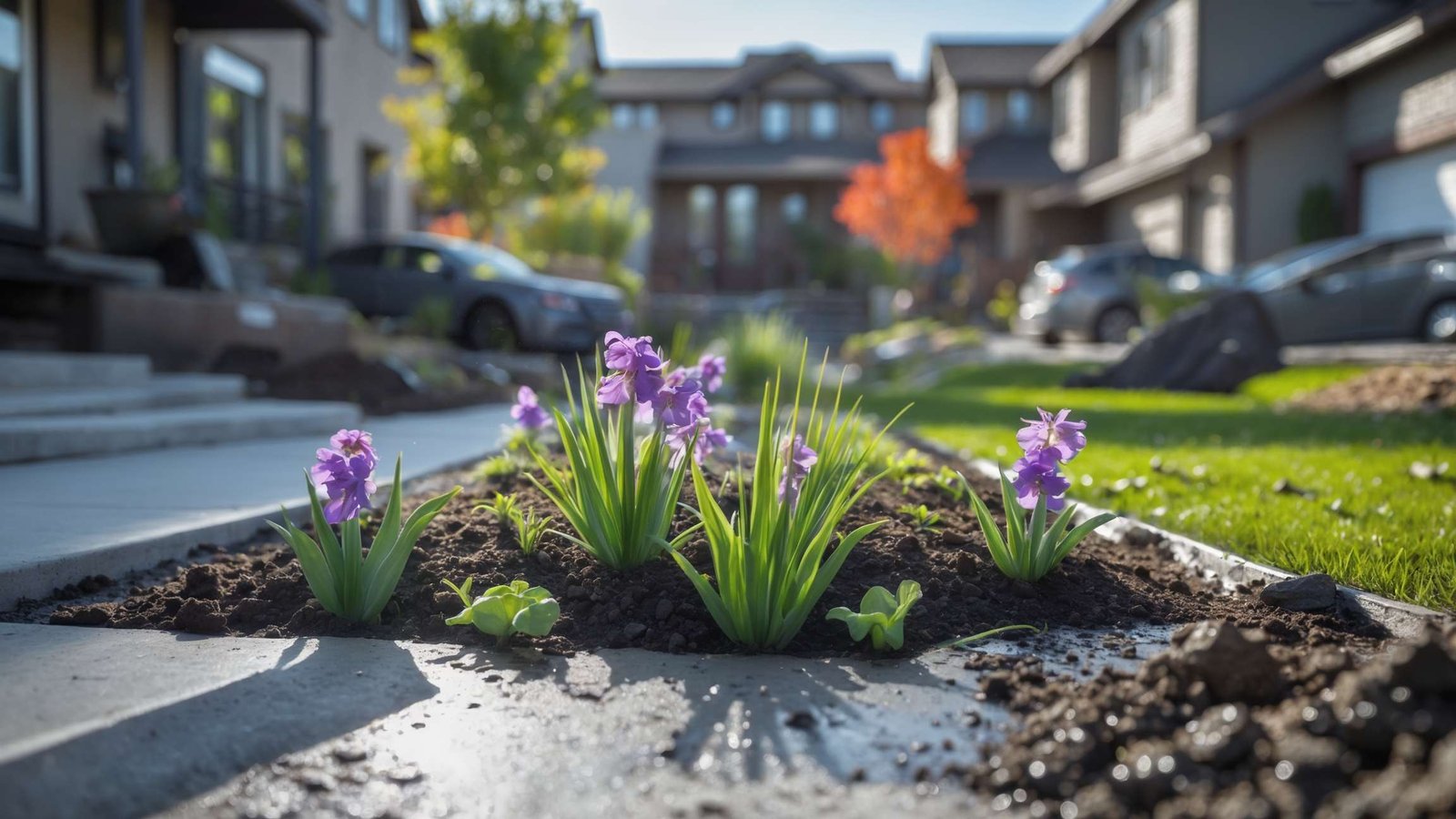
When You’re Adding New Turf or Plant Zones
New grass and plantings need precise watering during establishment. Manual timers can’t adapt to changing root development or varying sun exposure across your yard.
Smart controllers automatically adjust for these differences. If your remodel includes both shaded beds and full-sun turf, a smart system creates custom schedules for each zone without manual input every week.
When Your Existing System Has Multiple Failures
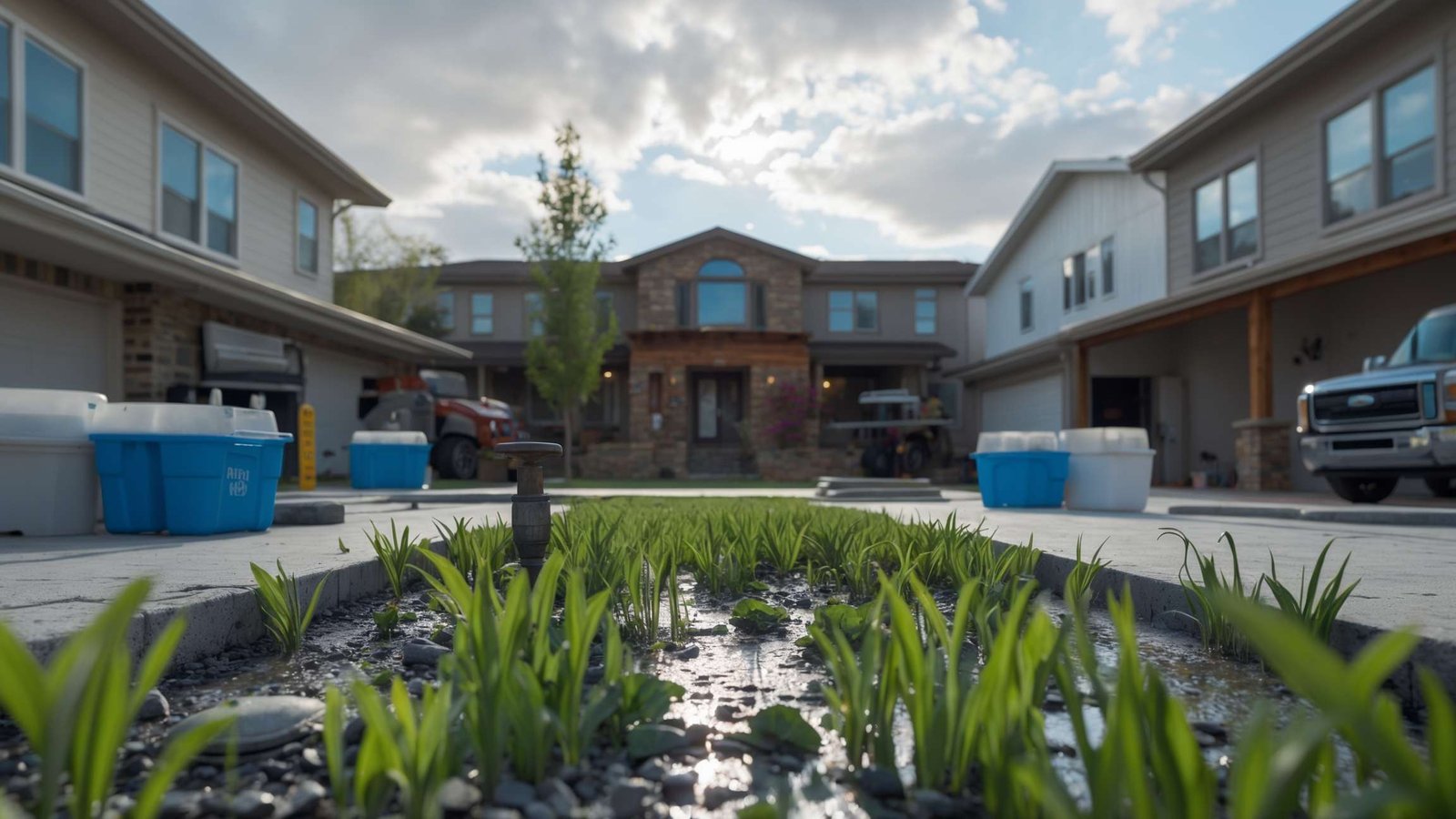
If your current sprinkler system leaks, has broken valves, or requires frequent sprinkler repair, a remodel is the ideal time to upgrade the controller too. Fixing old infrastructure while keeping an outdated timer wastes the opportunity.
Many Payson homes built before 2010 have irrigation systems designed for higher water pressure and less efficient heads. When you upgrade those components, a smart controller maximizes the improvements.
When Water Bills Climb During Landscaping Changes
Remodeling often increases water use temporarily. New plantings need more frequent watering, and contractors sometimes leave zones running longer than necessary. A smart controller prevents runaway bills by automatically cutting back when soil moisture is adequate or rain is forecast.
Payson’s semi-arid climate and hot summers mean every extra minute of watering adds up. Smart systems with weather-based adjustments typically reduce outdoor water use by 8,800 gallons per year for an average residential property.
Pro Tip: If you’re planning a remodel that includes regrading or adding retaining walls, upgrade your controller before final grading. Smart systems can integrate with soil moisture sensors that need to be buried at specific depths.
What Smart Irrigation Controllers Actually Do
Smart controllers connect to local weather stations or use onboard sensors to adjust watering schedules automatically. They skip cycles when rain is predicted, reduce runtime during cooler weather, and increase water during heat waves.
Most systems use one of two methods. Weather-based controllers pull data from internet sources or nearby weather stations. Sensor-based controllers use soil moisture probes installed in your yard to measure actual water content.
Weather-Based Systems
These controllers adjust schedules using evapotranspiration data, which calculates how much water plants lose through leaves and soil evaporation. They factor in temperature, humidity, wind, and solar radiation.
Weather-based systems work well in Payson because local weather stations provide accurate data. They require a WiFi connection and regular software updates, but installation is straightforward.
Sensor-Based Systems
Soil moisture sensors measure water levels directly in root zones. When soil reaches a set threshold, the controller delays watering. This method is highly accurate but requires burying sensors in each zone and periodic calibration.
Sensor systems excel in yards with mixed plantings or unusual microclimates. If your remodel creates shaded courtyards, south-facing slopes, and wind-exposed turf areas, sensors ensure each zone gets exactly what it needs.
Cost and ROI for Smart Upgrades in Payson
Smart irrigation controllers range from 150 dollars for basic WiFi models to 500 dollars for advanced sensor-based systems. Professional installation adds 200 to 400 dollars depending on wiring complexity and the number of zones.
If your remodel already includes irrigation work, adding a smart controller increases total project cost by 5 to 10 percent. The payback period is typically two to four years through lower water bills.
Payson water rates and Utah’s tiered pricing structure make smart controllers especially valuable. Homes that exceed baseline water allocations pay significantly higher rates per gallon. A smart system keeps usage within lower tiers.
Beyond water savings, smart controllers reduce plant loss. Overwatering kills more landscaping than underwatering. Automated adjustments prevent root rot, fungal disease, and turf die-off, protecting the money you invested in new plantings and sod.
How Smart Controllers Integrate with Remodel Projects
Coordinating a smart irrigation upgrade in Payson with other remodel tasks streamlines installation and improves results. If you’re working with a residential landscaping contractor, ask them to spec a smart controller into the irrigation plan from the start.
Many remodels involve moving or adding sprinkler zones. Smart controllers handle up to 16 zones without difficulty, so expanding coverage to new planting beds or turf areas doesn’t require a second timer.
Pairing with Drip Irrigation and Turf Zones
If your remodel includes both traditional spray heads for turf and drip lines for flower beds, a smart controller manages the different watering frequencies easily. Drip zones typically need longer, less frequent cycles, while turf needs shorter, more regular watering.
Manual timers require you to calculate these differences and adjust dials constantly. Smart systems automate the split and adapt both zone types to weather conditions without manual input.
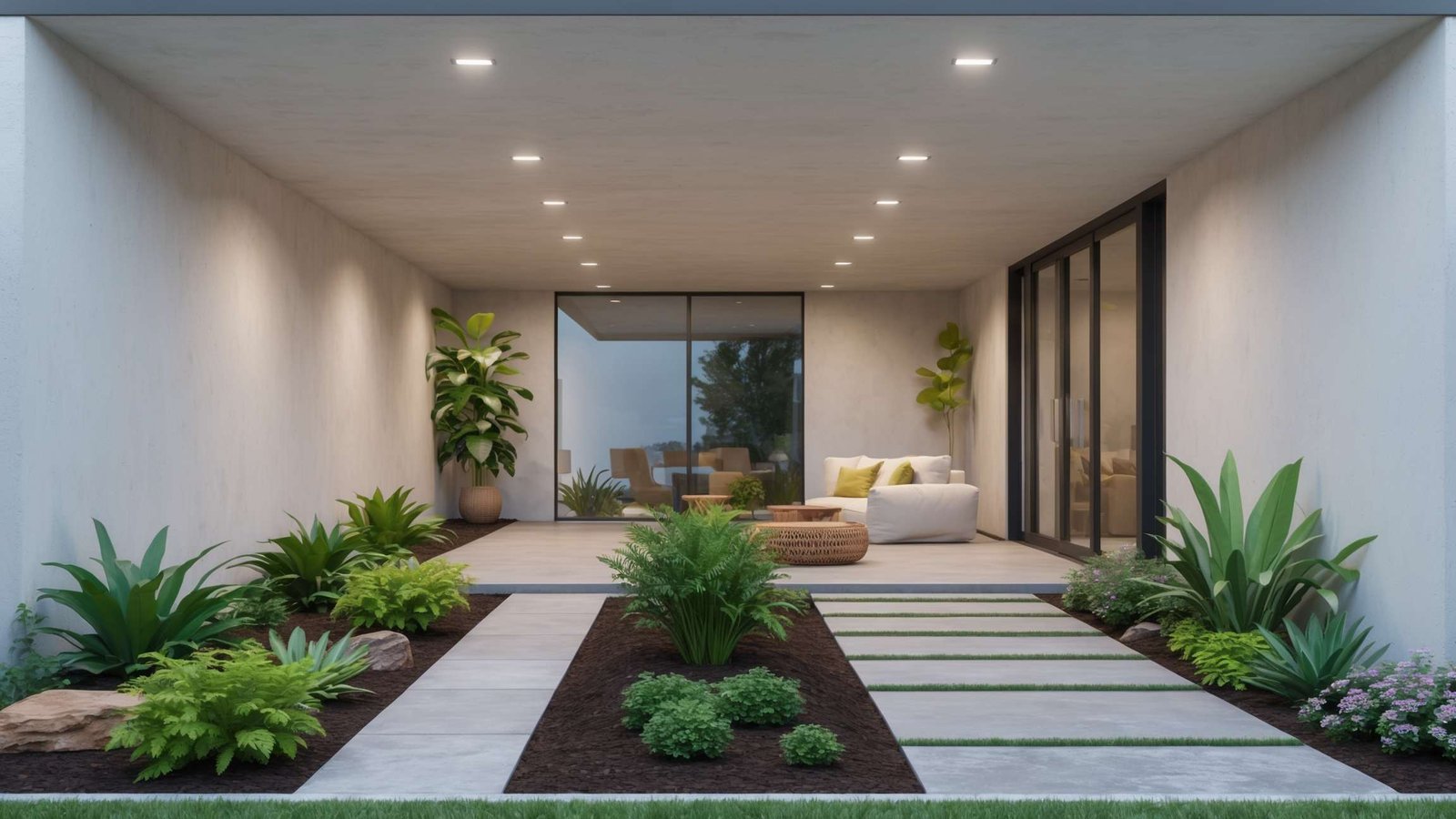
Coordinating with Hardscaping and Concrete Work
Pouring patios, walkways, or retaining walls changes drainage patterns and sun exposure. A smart controller adjusts watering in affected zones automatically once you complete those changes.
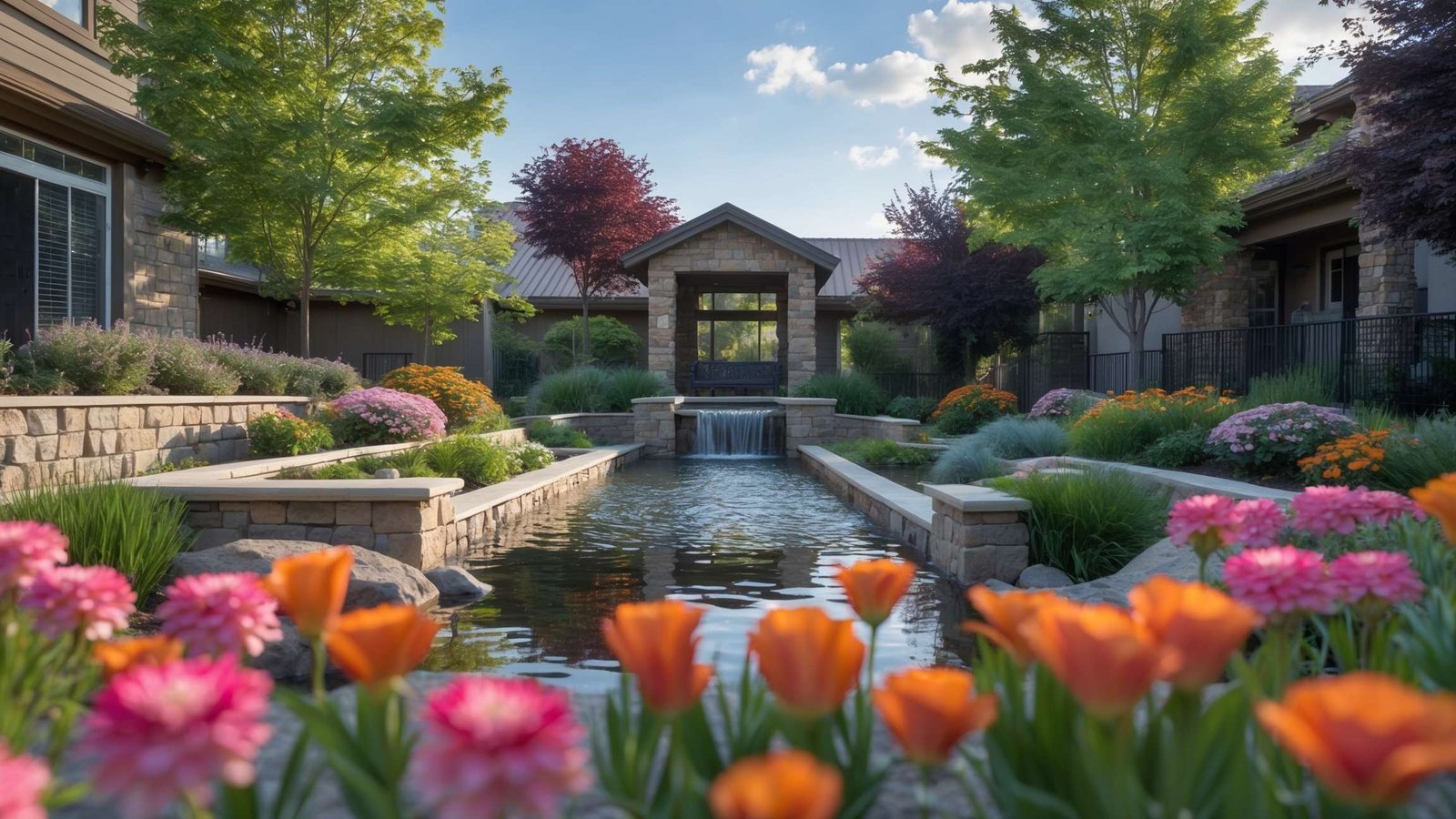
TG Landscaping has spent 15 years handling complex remodels that blend concrete, turf, and irrigation. Projects that involve regrading or adding features like water features benefit from smart controllers that react to shifting conditions without constant manual tweaking.
Key Takeaway: Schedule your controller upgrade after major grading and hardscaping but before final planting and sod installation. This timing ensures accurate zone programming and prevents damage to new components.
Common Mistakes Homeowners Make with Irrigation Upgrades
Waiting until the end of a remodel to think about the controller is the most common error. By that point, trenches are backfilled, zones are set, and retrofitting a smart system requires rework.
Another mistake is choosing a controller based solely on price. A 150-dollar basic model may lack the zone capacity or sensor inputs your remodeled yard needs. Spending an extra 200 dollars upfront saves money over the system’s 10 to 15 year lifespan.
Skipping professional installation is risky unless you have electrical and irrigation experience. Incorrect wiring can damage solenoids or create short circuits. Many smart controllers require configuring zone types, soil conditions, and plant categories, and mistakes lead to overwatering or underwatering that kills new landscaping.
Homeowners also underestimate the importance of WiFi range. If your controller mounts outside and your router sits on the opposite side of the house, connection dropouts prevent weather updates. Test signal strength before choosing a mounting location.
For more guidance on avoiding design errors that increase costs, our post on irrigation layout mistakes that waste water covers common pitfalls.
Choosing the Right Smart Controller for Payson Conditions
Utah’s climate demands controllers that handle temperature swings, low humidity, and occasional late-spring freezes. Look for models with seasonal adjust features that scale all zones up or down by a percentage rather than requiring manual reprogramming.
Rain delay and freeze skip functions are essential. Rain delays prevent watering during storms, while freeze skip stops cycles when temperatures drop below 37 degrees to avoid ice buildup and pipe damage.
If your remodel includes native or drought-tolerant plants, choose a controller that supports custom plant categories. Default settings assume traditional turf and ornamental plantings. Native species often need 30 to 50 percent less water, and misconfigured controllers waste resources.
Battery backup is valuable in Payson, where summer storms occasionally cause brief power outages. Controllers without backup lose their schedules and revert to default settings, requiring reprogramming.
Maintenance and Long-Term Performance
Smart controllers require minimal upkeep compared to manual timers. Most systems send alerts when zones run longer than expected, signaling leaks or broken heads. This proactive monitoring prevents water waste and turf damage.
Software updates improve performance over time. WiFi-connected models receive firmware upgrades that add features, improve weather algorithms, and fix bugs. Check for updates twice a year or enable automatic updates if available.
Sensor-based systems need occasional calibration. Soil composition changes as organic matter breaks down and roots expand. Recalibrate sensors every two to three years to maintain accuracy.
Even with a smart controller, annual inspections by a qualified irrigation professional catch issues before they escalate. Spring startups and fall winterizations are ideal times to review controller settings, test zone outputs, and adjust schedules for seasonal changes. Our lawn maintenance contracts include irrigation system checks as part of comprehensive property care.
Frequently Asked Questions
How much water does a smart irrigation controller save in Payson?
Most residential properties reduce outdoor water use by 20 to 50 percent after upgrading to a smart controller. Savings depend on your existing system’s efficiency, yard size, and plant types. Homes with older manual timers and mixed turf and planting beds see the largest reductions.
Can I install a smart controller myself during a remodel?
Basic models with straightforward wiring can be DIY projects if you’re comfortable with low-voltage electrical work. However, systems with soil sensors, multiple zones, or integration with existing wiring often require professional installation to avoid costly mistakes. If your remodel involves new zones or valve replacement, hire a licensed contractor to handle both tasks together.
Do smart controllers work during internet outages?
Weather-based controllers lose real-time updates during outages but continue running the last programmed schedule. Most resume normal operation automatically when connectivity returns. Sensor-based systems don’t rely on internet connections and function independently using onboard moisture readings.
Will a smart controller work with my existing sprinkler system?
Nearly all smart controllers integrate with standard 24-volt AC irrigation systems. Check your current valve wiring and zone count before purchasing. If your remodel expands zones beyond your old controller’s capacity, a smart upgrade with higher zone support eliminates the need for a second timer.
When should I replace a smart controller?
Quality smart controllers last 10 to 15 years with proper maintenance. Replace yours if it stops receiving software updates, loses WiFi connectivity repeatedly, or fails to communicate with sensors. Technology improves rapidly, so upgrading every 8 to 10 years keeps you current with water-saving features and better weather algorithms.
Taking the Next Step with Your Payson Remodel
A smart irrigation upgrade in Payson protects your remodel investment, cuts water waste, and simplifies yard care for years to come. Whether you’re planning new turf, expanding planting beds, or overhauling your entire landscape, upgrading your controller early in the process saves time and money.
TG Landscaping handles irrigation upgrades as part of comprehensive yard transformations throughout Payson and surrounding communities. Our team coordinates smart controller installation with grading, planting, and hardscaping to deliver systems that work seamlessly from day one. If you’re ready to modernize your irrigation during your remodel, call us at +13856265019 to discuss your project and schedule a consultation.