Planning a new lawn in Salem, Utah, means navigating more than soil preparation and grass selection. Homeowners discover quickly that turf installation requirements Salem neighborhoods enforce can vary widely depending on your HOA, property location, and the type of turf you choose. Whether you’re installing natural sod or artificial grass, understanding the approval process and local regulations saves time, money, and frustration.
This guide walks you through everything you need to know before starting your turf project in Salem, from HOA approval steps to city ordinances, installation best practices, and common pitfalls to avoid.
Understanding Salem’s Local Regulations for Turf Installation
Salem City operates under Utah County jurisdiction, which means turf projects generally don’t require building permits for standard residential installations. However, the city does enforce water conservation ordinances that affect landscaping choices.
The most important regulation to understand is Salem’s participation in the Utah Water Conservation Plan. Properties within city limits must comply with outdoor watering restrictions during summer months, typically limiting irrigation to specific days and times. This matters because your new turf will need consistent watering during establishment, usually for the first 30 to 45 days after installation.
If your turf project involves grading changes that alter drainage patterns or affects neighboring properties, you may need a grading permit. Any project that requires more than 50 cubic yards of cut or fill material typically triggers this requirement. Most standard turf installations stay well below this threshold.
Artificial turf installations face fewer watering restrictions but must still meet drainage requirements. The city expects any synthetic turf system to include proper drainage infrastructure that prevents water pooling and directs runoff appropriately.
HOA Approval Process for Turf Projects in Salem
Most planned communities and subdivisions in Salem operate under homeowner associations with their own landscaping standards. The turf installation requirements Salem HOAs enforce often exceed city regulations and include specific aesthetic guidelines.
Before purchasing materials or hiring a contractor, request a copy of your HOA’s Covenants, Conditions, and Restrictions (CC&Rs). These documents outline what types of landscaping changes require approval and what design standards you must meet.
Required Documents for HOA Submission
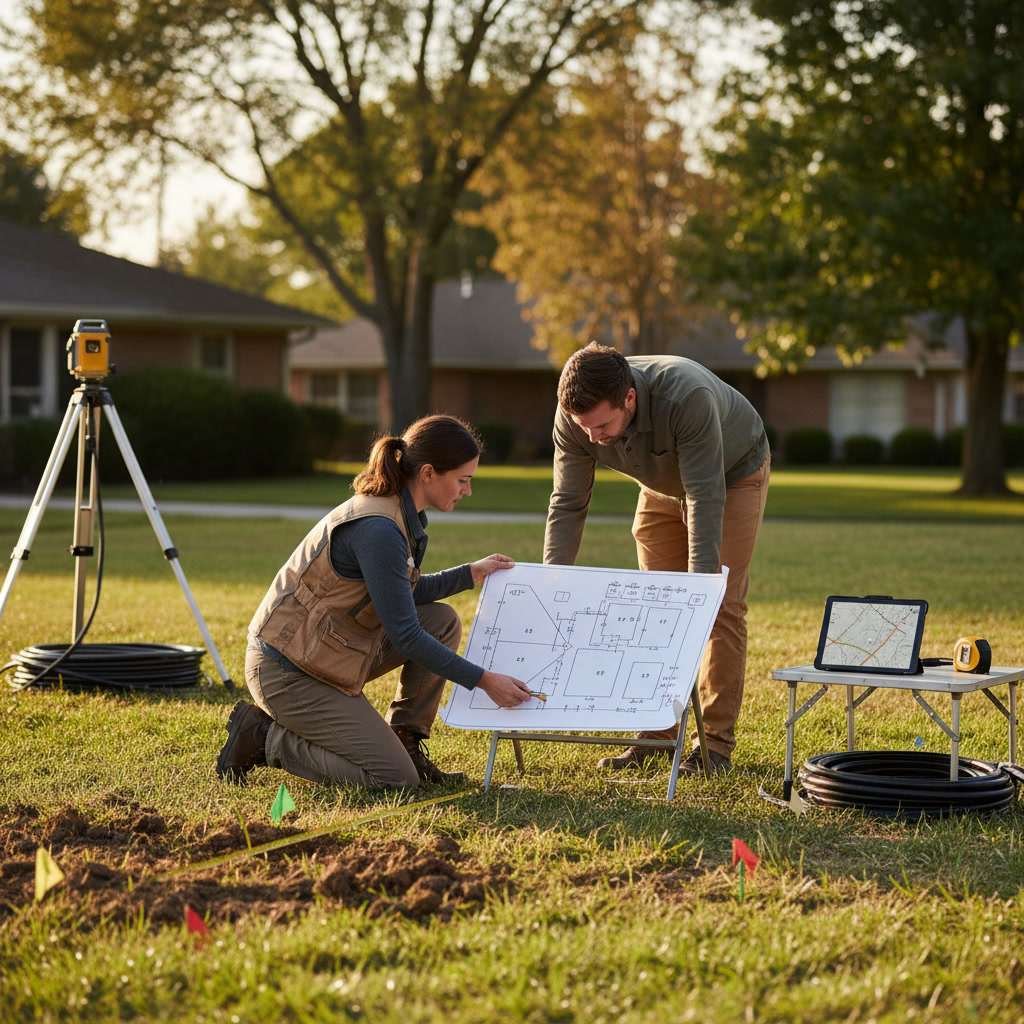
Most Salem HOAs require a written application that includes a site plan showing the turf area dimensions, existing landscaping to be removed, and final layout. You’ll typically need to provide product specifications if installing artificial turf, including the pile height, color, and drainage system details.
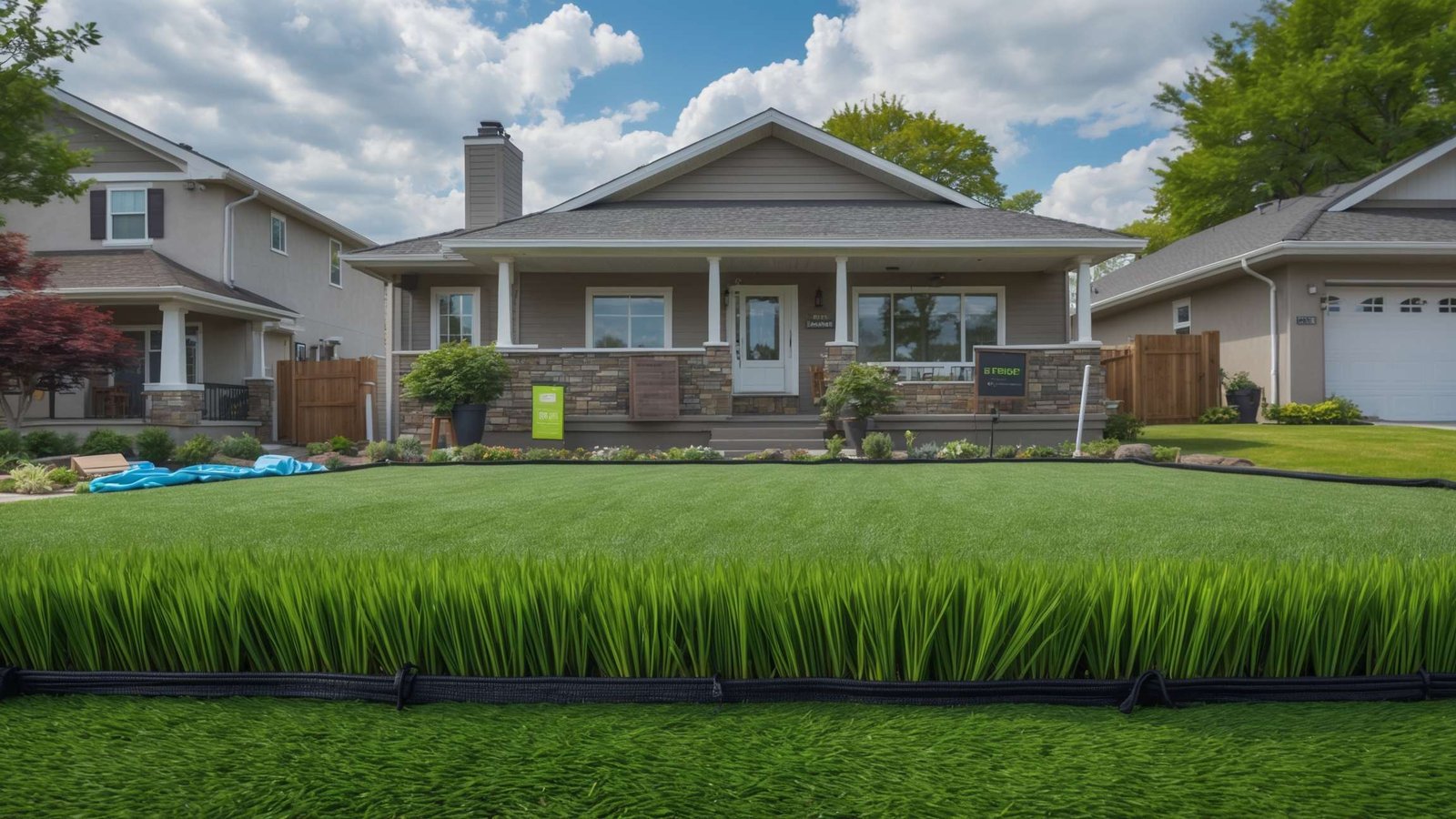
Some associations also require color samples, especially for synthetic grass. Many HOAs in Salem restrict artificial turf to backyard installations only, prohibiting it in front yards where it’s visible from the street. Others allow it throughout the property but require specific shades of green that mimic natural grass.
The approval timeline varies by HOA. Some architectural review committees meet monthly, while others review applications on a rolling basis. Plan for 14 to 30 days for standard approvals, longer if revisions are needed.
Common HOA Restrictions
Salem HOAs frequently restrict turf pile height for artificial installations, typically requiring products between 1.5 and 2 inches. Taller recreational turf common on sports fields often violates aesthetic standards.
Front yard turf coverage limits are another common restriction. Some associations require at least 30 percent of front yard space to include planted beds, trees, or hardscaping rather than continuous turf.
Natural grass requirements occasionally appear in older HOA documents, explicitly prohibiting artificial alternatives. If your CC&Rs contain such language, you’ll need to petition for a variance or amendment before proceeding.
Natural Turf vs Artificial Turf Requirements
The turf installation requirements Salem properties must meet differ significantly between natural sod and synthetic alternatives. Understanding these distinctions helps you choose the right option for your property and budget.
Natural sod installation requires 4 to 6 inches of quality topsoil, proper grading for drainage, and an irrigation system capable of delivering 1 to 1.5 inches of water weekly during growing season. The soil must be amended with organic matter if native clay content exceeds 40 percent, which is common throughout Salem.
Most residential landscaping projects in the area benefit from incorporating 2 to 3 inches of compost into the top 6 inches of soil before laying sod. This improves drainage in heavy clay soils and water retention in sandy areas.
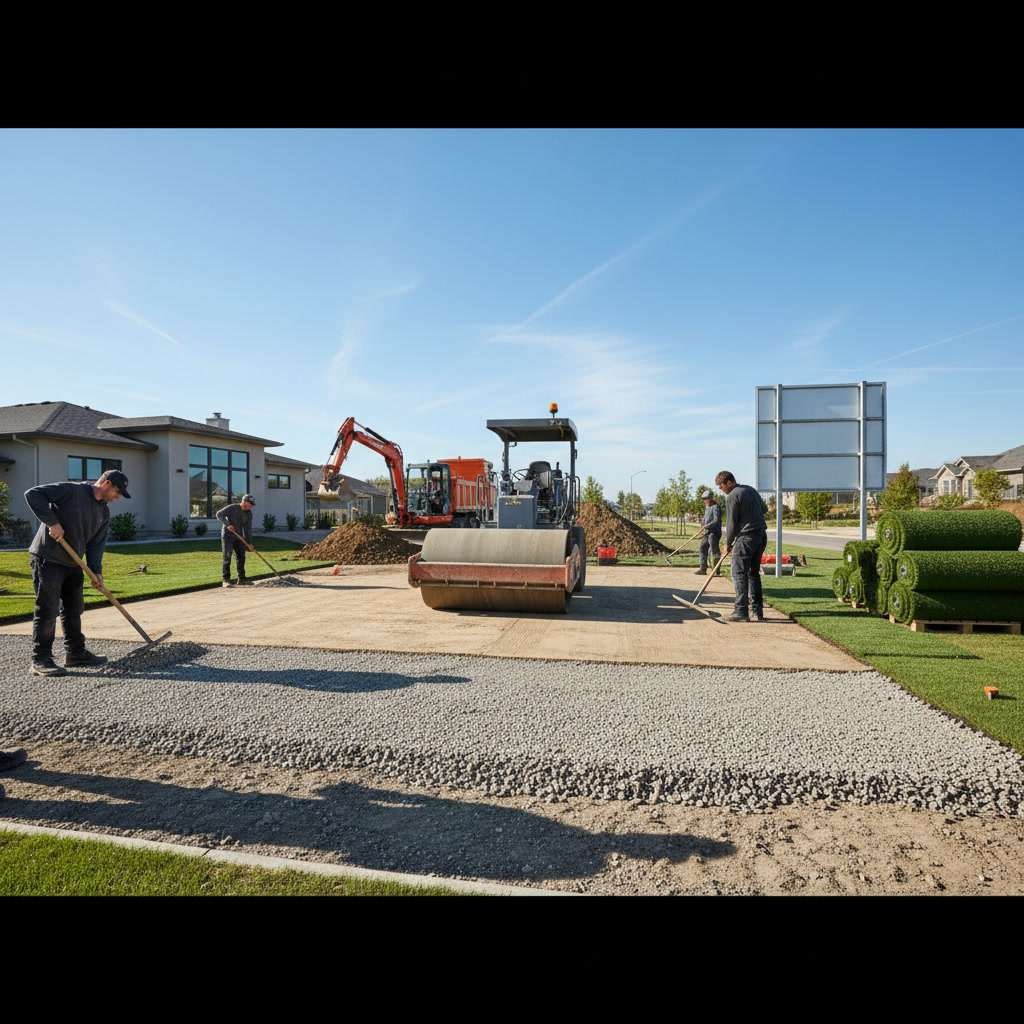
Artificial turf demands a different foundation. The installation area must be excavated 3 to 4 inches deep and filled with a compacted base of crushed rock, typically three-quarter inch minus material. A landscape fabric barrier goes down before the rock base to prevent weed growth.
The synthetic turf itself requires a drainage rate of at least 30 inches per hour to handle Salem’s occasional heavy rainstorms and snow melt. Lower-quality products with inadequate drainage create standing water problems that violate most HOA standards.
Pro Tip: If your HOA approval seems likely to take several weeks, hold off on removing existing grass until you have written confirmation. This prevents leaving your yard barren during the review period and demonstrates good faith to neighbors who might otherwise complain about temporary aesthetics.
Irrigation Requirements and Water Regulations
Any turf installation in Salem requires a functioning irrigation system, whether you’re planting natural grass or installing synthetic alternatives. The difference lies in long-term watering needs and system design.
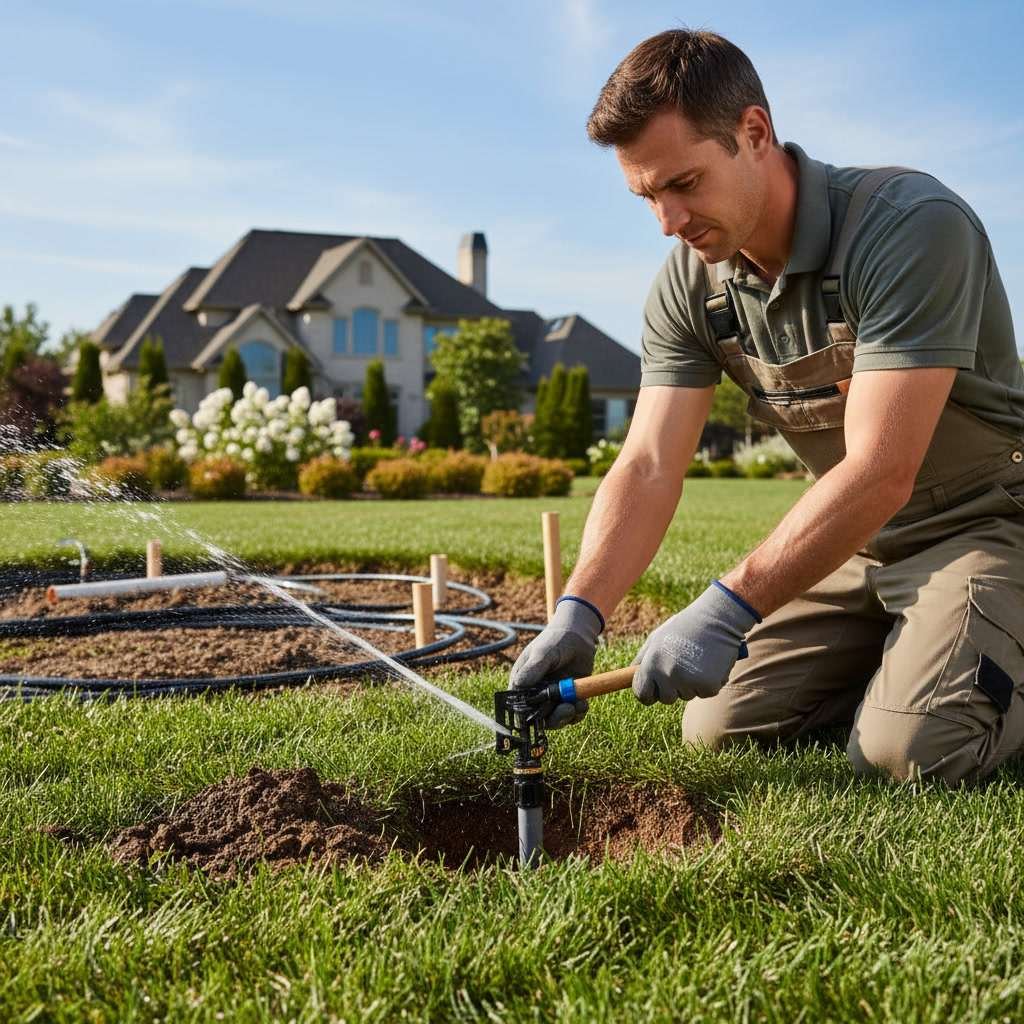
Natural turf demands a properly designed sprinkler system with adequate coverage and pressure. Salem’s water pressure varies by neighborhood, typically ranging from 40 to 70 PSI at the meter. Your system needs to account for elevation changes across the yard, with head-to-head spacing that ensures uniform coverage.
Utah’s secondary water systems, common in many Salem neighborhoods, provide untreated irrigation water at lower cost than culinary water. If your property has secondary water access, you’ll want to design your system to use it exclusively for landscape irrigation. This typically requires a separate valve system and backflow prevention.
For properties considering both turf and other landscaping elements, understanding irrigation layout and design principles becomes critical. Turf areas need different watering schedules than planted beds, requiring separate zones on your controller.
Artificial turf still needs occasional irrigation for dust control and temperature reduction during hot summer months. However, the system requirements are much simpler. A basic spray system for rinsing or a few strategically placed heads for cooling usually suffices.
Some homeowners eliminate irrigation entirely in artificial turf areas, but this can create problems. Pet owners find that periodic rinsing keeps synthetic grass clean and odor-free. The cooling effect of occasional watering also reduces surface temperatures, which can reach 150 degrees or higher on artificial turf during July and August.
Site Preparation and Installation Best Practices
Proper site preparation determines whether your turf thrives or fails within the first year. The turf installation requirements Salem contractors follow have evolved over 15 years of working in the area’s unique soil and climate conditions.
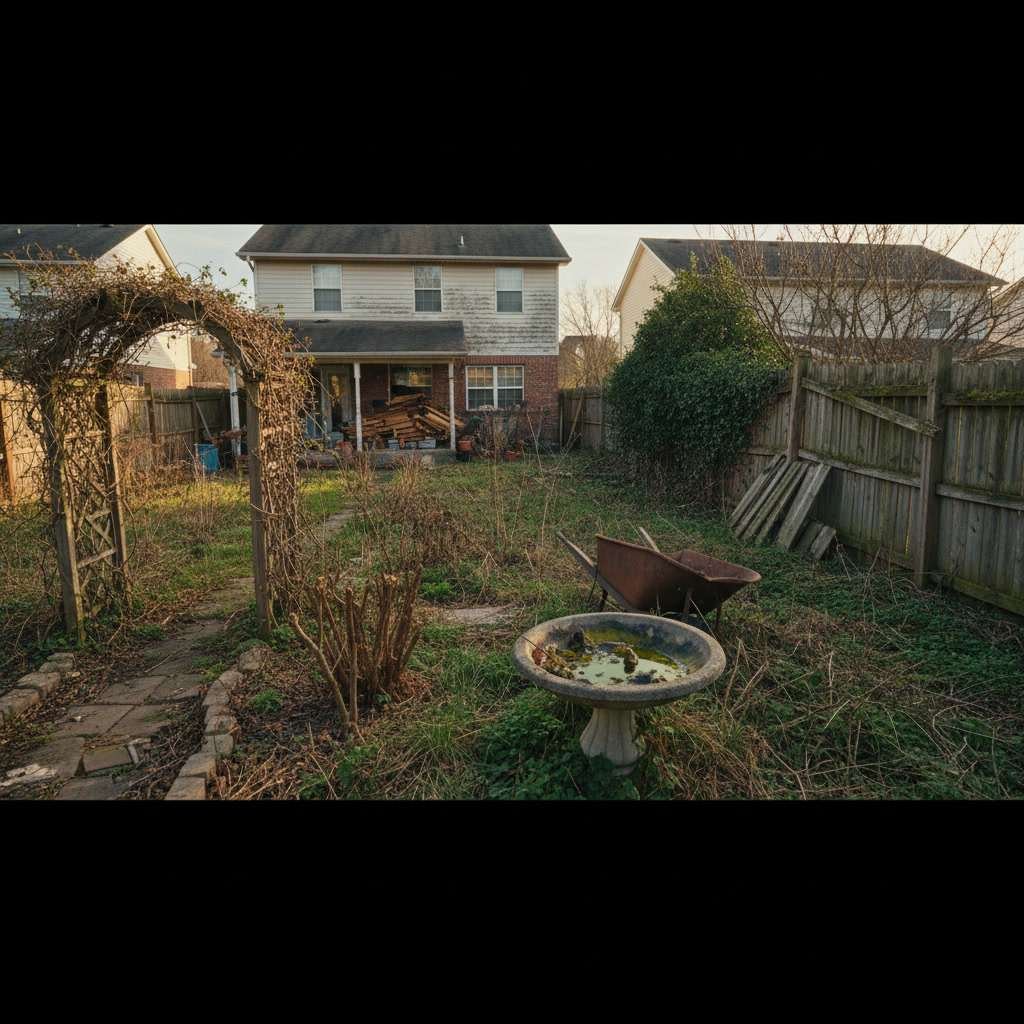
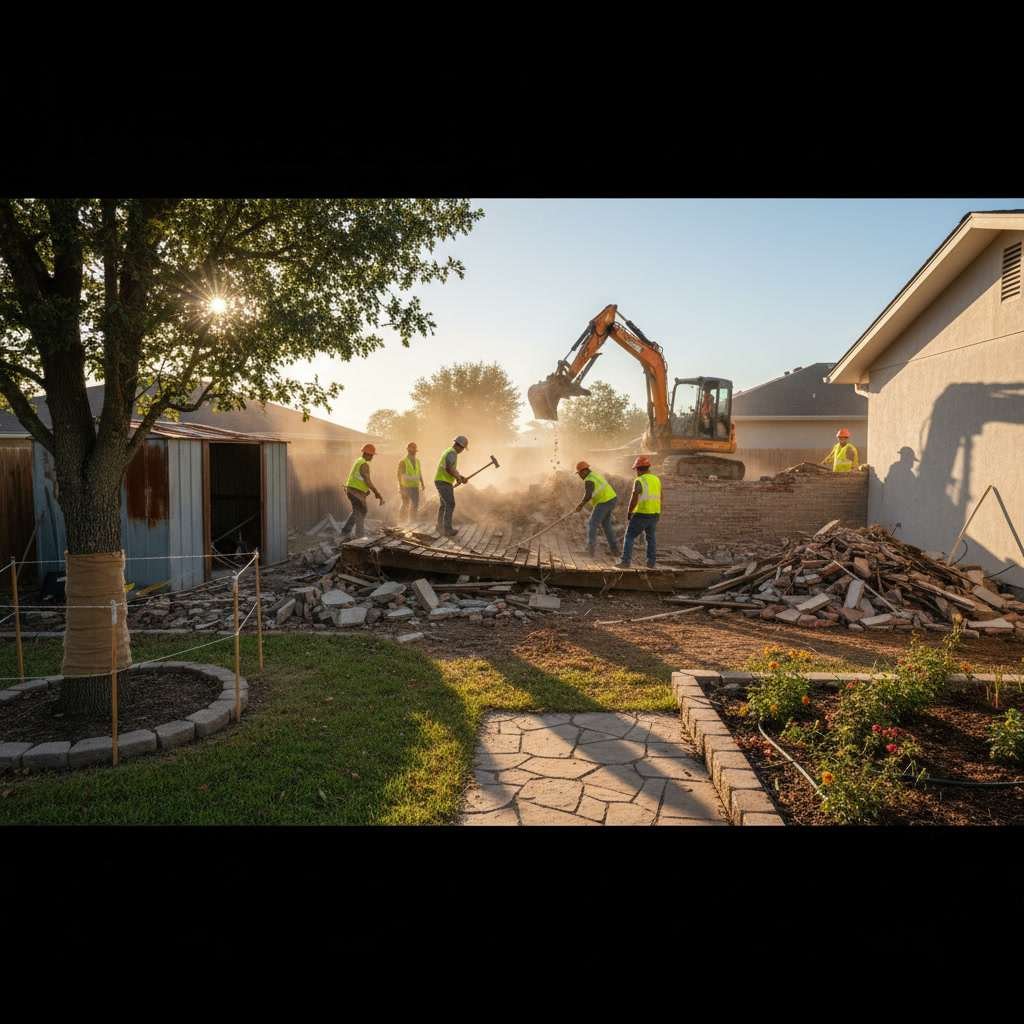
Start with complete removal of existing vegetation. This means stripping away old grass, weeds, and roots to bare soil. Herbicide application two weeks before removal helps kill persistent weeds like bindweed and quackgrass that otherwise sprout through new turf.
Rough grading establishes proper drainage slope. The standard is one to two percent grade away from structures, which translates to 1 to 2 inches of drop per 10 feet of horizontal distance. This subtle slope is barely visible but prevents water from pooling near foundations.
Soil testing before final preparation reveals pH levels and nutrient deficiencies. Salem soils typically test alkaline, with pH levels between 7.5 and 8.5. While grass tolerates this range, incorporating sulfur or acidic compost can improve nutrient availability.
For natural sod, the final grade should sit 1 to 2 inches below sidewalks and driveways to account for sod thickness. This prevents edges from creating a raised lip that’s difficult to mow and looks unfinished.
Artificial turf installation requires laser-level precision on the base material. High spots create visible bumps, while low areas collect water and debris. Professional installers use plate compactors on the rock base, making multiple passes to achieve 95 percent compaction or greater.
Similar attention to detail appears in full yard transformations where turf is just one element of a comprehensive design. Coordinating grades between turf areas, patios, and planting beds requires careful planning.
Timing Your Turf Installation in Salem
Salem’s climate creates distinct windows for successful turf installation. Understanding seasonal considerations helps you plan the project timeline and coordinate HOA approvals.
Natural sod installs best during spring (April through May) and early fall (September through early October). These periods offer moderate temperatures and adequate moisture for root establishment. Summer installations are possible but require intensive watering and carry higher failure risk during heat waves.
Avoid sod installation from mid-October through March. Fall installations after October 15 don’t give roots enough time to establish before ground freezes. Spring installations before April often face soil saturation issues from snowmelt.
Artificial turf offers more flexibility. Installation can occur year-round in Salem as long as the ground isn’t frozen. However, most contractors prefer working between April and October when weather conditions are predictable and ground conditions are dry.
Winter artificial turf installations face challenges with adhesives and seaming tape that require specific temperature ranges to bond properly. Most products specify minimum temperatures of 50 degrees for installation, though some cold-weather formulations work down to 40 degrees.
Key Takeaway: Start your HOA approval process at least 60 days before your target installation date. This buffer accommodates review timelines, potential revisions, and contractor scheduling, ensuring you can install during optimal weather windows.
Cost Considerations and Budgeting
Turf installation costs in Salem vary widely based on project size, turf type, and site conditions. Understanding the cost factors helps you budget accurately and avoid surprise expenses.
Natural sod installation typically ranges from $1.50 to $3.00 per square foot for basic Kentucky bluegrass, including site preparation, soil amendment, sod material, and installation labor. Premium grass varieties or difficult site conditions push costs toward the higher end.
A typical 5,000 square foot lawn in Salem costs between $7,500 and $15,000 for complete sod installation, including removal of existing grass, soil preparation, and irrigation system adjustments. Similar project scopes appear in discussions about backyard remodel costs in nearby communities.
Artificial turf carries higher upfront costs but lower long-term maintenance expenses. Quality synthetic grass products range from $8 to $15 per square foot installed, depending on pile height, density, and backing quality.
The same 5,000 square foot area in artificial turf costs $40,000 to $75,000. However, this eliminates ongoing mowing, fertilizing, aerating, and most watering costs. The payback period typically ranges from 7 to 12 years depending on water rates and maintenance costs.
Additional costs often arise from drainage improvements, irrigation system modifications, or HOA-required design elements. Budget an extra 10 to 15 percent beyond base installation costs for these contingencies.
Working with Professional Installers
While ambitious homeowners occasionally tackle turf installation as a DIY project, professional installation ensures proper execution and often satisfies HOA requirements that demand licensed contractors.
Licensed landscaping companies in Salem carry general liability insurance and workers’ compensation coverage that protects you from liability if accidents occur during installation. Many HOAs require proof of insurance before approving contractor work.
Experienced installers understand the turf installation requirements Salem properties face and can navigate HOA approval processes efficiently. They maintain relationships with architectural review committees and know which documentation streamlines approvals.
Professional installation also includes warranties that DIY projects lack. Most reputable companies warranty their workmanship for one to two years and can facilitate manufacturer warranties on materials. Natural sod typically carries a 30-day replacement guarantee, while quality artificial turf includes 8 to 15-year warranties against fading and wear.
When selecting a contractor, verify their Utah contractor license, check references from recent Salem projects, and review examples of completed work. Companies with deep local experience, like TG Landscaping serving Salem and surrounding communities for over 15 years, understand the specific soil conditions and climate challenges unique to the area.
Maintenance Requirements Post-Installation
Turf installation doesn’t end when the crew packs up. Both natural and artificial grass require specific maintenance during the establishment period and ongoing care thereafter.
New sod needs daily watering for the first two weeks, applying enough moisture to keep the top 1 inch of soil consistently damp. This typically means 15 to 20 minutes per zone, twice daily during warm weather. After two weeks, reduce frequency but increase duration, encouraging roots to grow deeper.
Avoid foot traffic on new sod for the first three weeks. The roots haven’t anchored yet, and walking on fresh sod can create divots and shift seams. Most HOAs understand this establishment period, but posting small signs alerts neighbors and mail carriers.
First mowing occurs when grass reaches 3 to 4 inches tall, usually 10 to 14 days after installation. Set mower height to remove only the top one-third of grass blades. Scalping new sod stresses plants and allows weed invasion.
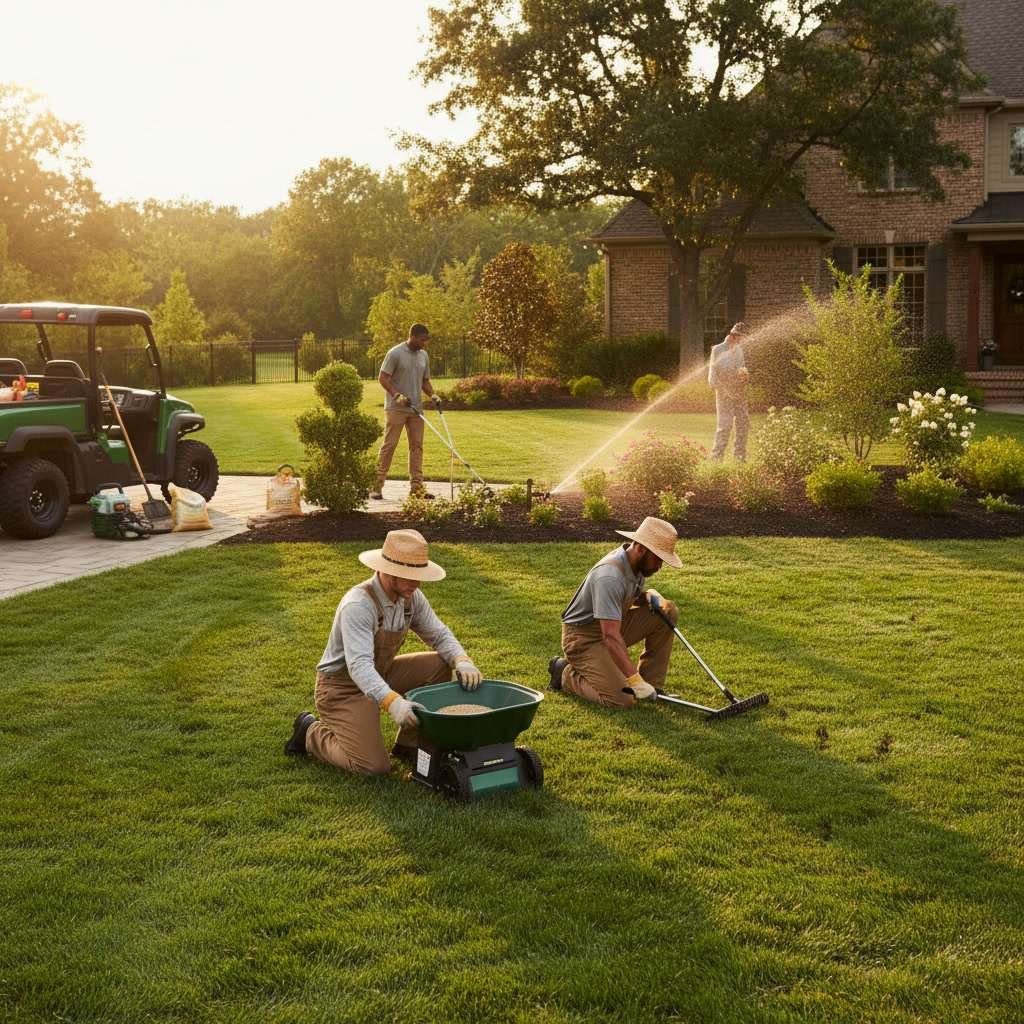
Long-term natural turf maintenance includes regular mowing, seasonal fertilization, annual aeration, and ongoing lawn maintenance that keeps grass healthy and HOA-compliant. Salem’s climate requires different care than lower elevation areas, with special attention to winter preparation and spring recovery.
Artificial turf maintenance is lighter but not zero. Monthly rinsing removes dust and debris. Periodic brushing lifts matted fibers and maintains aesthetic appeal. Pet areas need enzymatic treatments to prevent odor buildup. Most homeowners spend 1 to 2 hours monthly on artificial turf maintenance versus 4 to 8 hours on natural grass.
Frequently Asked Questions
Do I need a permit for turf installation in Salem Utah?
Standard residential turf installation typically doesn’t require a city permit in Salem. However, HOA approval is usually mandatory in planned communities. If your project involves significant grading, retaining walls over 4 feet, or drainage modifications affecting neighboring properties, you may need permits from Salem City.
How long does HOA approval take for turf projects in Salem?
HOA approval timelines in Salem range from two to six weeks depending on your association’s meeting schedule and application completeness. Monthly architectural review meetings are common, so applications submitted just after a meeting may wait nearly four weeks before review. Submit complete applications with all required documentation to avoid delays from revision requests.
Can HOAs in Salem prohibit artificial turf entirely?
Yes, HOA covenants can restrict or prohibit artificial turf if the restriction was recorded in the original CC&Rs or approved through proper amendment procedures. Many Salem HOAs written before 2010 contain natural grass requirements that effectively ban synthetic alternatives. However, some homeowners successfully petition for variances based on water conservation or physical limitations that make natural turf maintenance difficult.
What happens if I install turf without HOA approval in Salem?
Installing turf without required HOA approval can result in violation notices, fines, and potential removal demands. Most Salem HOAs issue cure notices giving you 30 days to seek approval or remove non-compliant work. Repeated violations can lead to fines of $50 to $200 per day and legal action to compel compliance. Always secure approval before starting work.
Does artificial turf increase property value in Salem Utah?
Artificial turf’s impact on property value varies by buyer preference and overall landscape quality. Well-installed synthetic grass that fits the neighborhood aesthetic typically maintains property value by ensuring consistent curb appeal with minimal maintenance. However, some buyers prefer natural grass and may discount properties with artificial alternatives. Quality installation and compliance with HOA standards maximize value retention.
Moving Forward with Your Salem Turf Project
Understanding the turf installation requirements Salem homeowners face helps you plan effectively and avoid costly mistakes. Start by reviewing your HOA documents, gathering required approvals, and selecting the right turf type for your property’s specific needs and your long-term maintenance preferences. Proper planning, professional installation, and attention to local regulations ensure your new lawn meets all requirements and delivers the aesthetic and functional benefits you expect.
TG Landscaping has helped Salem homeowners navigate turf installation requirements and HOA approvals for over 15 years. Our team handles everything from initial site assessment and HOA documentation to professional installation and post-project support. If you’re planning a turf project in Salem or surrounding communities, contact us at +13856265019 to discuss your specific requirements and receive a detailed project proposal.