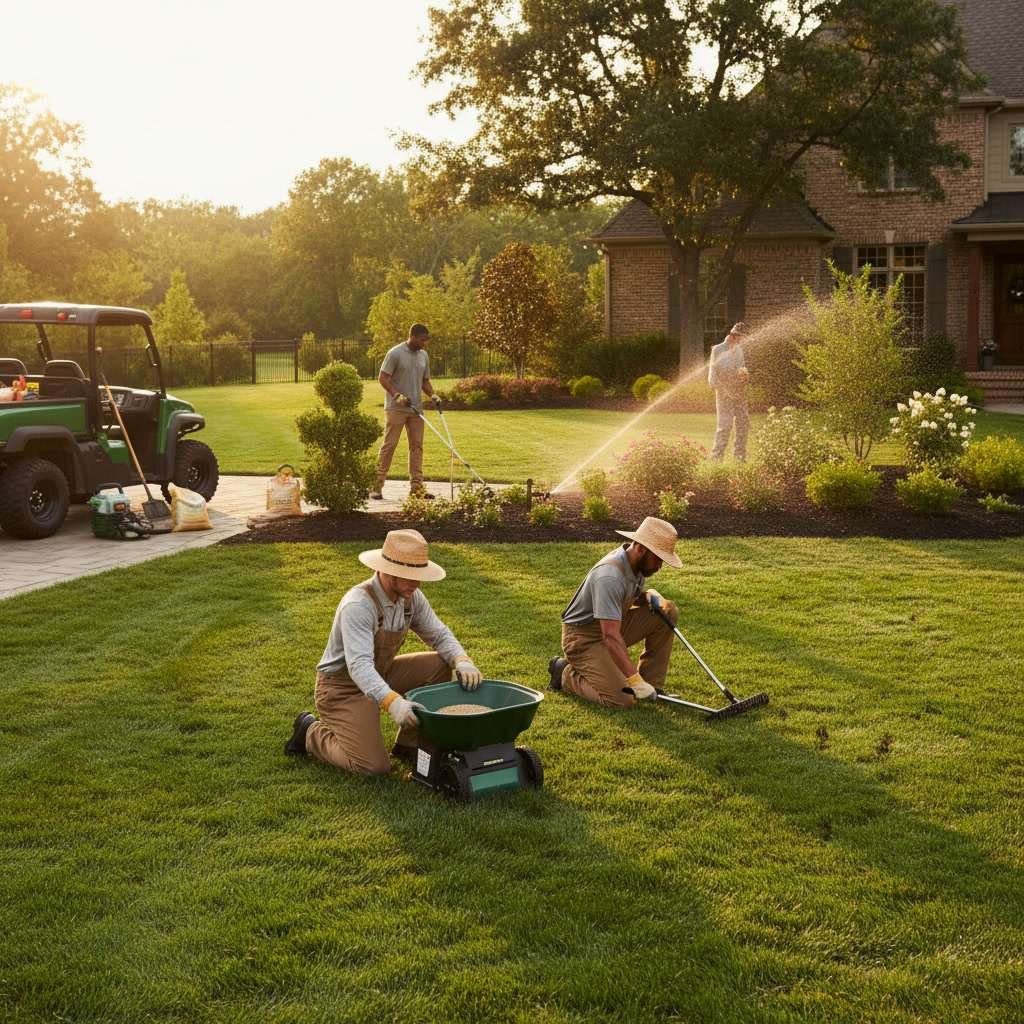
Professional lawn maintenance services include fertilization programs, aeration, overseeding, pest and disease management, irrigation adjustments, soil testing, weed control, seasonal cleanup, and turf health monitoring. These services work together to create a resilient, attractive lawn that stays healthy through every season and weather challenge. Most property owners underestimate the number of specialized tasks required to maintain lush, green turf beyond the basic cut and trim.
Understanding what a comprehensive maintenance plan delivers helps you evaluate service contracts, budget appropriately, and set realistic expectations for your property’s appearance throughout the year.
Why Basic Mowing Alone Leaves Turf Vulnerable
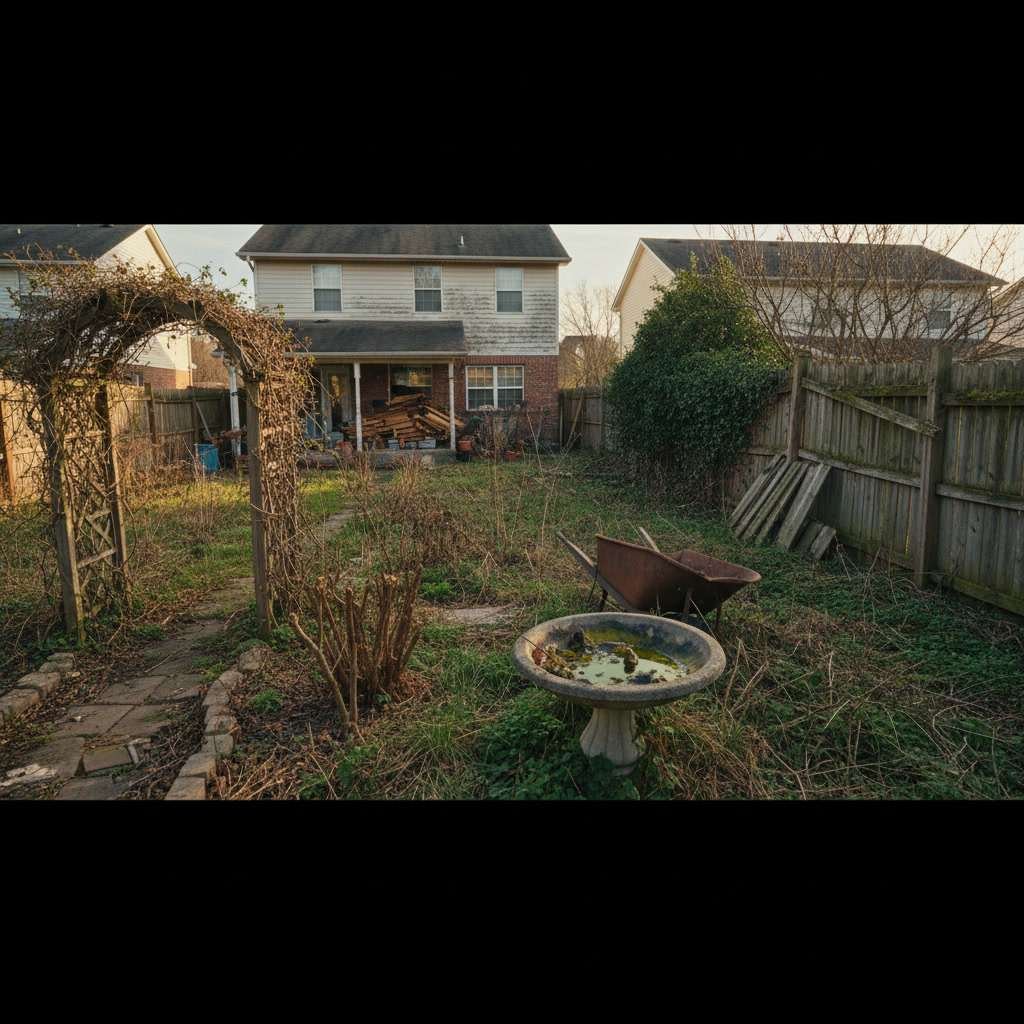
Mowing and edging provide immediate visual results, but they do nothing to address the biological and environmental stresses that damage grass over time. Turf that receives only cutting services typically develops thin spots, weed invasions, and disease problems within one or two growing seasons. The root systems remain shallow, making the lawn vulnerable to drought, temperature swings, and heavy foot traffic.
Without ongoing soil management and nutrient replenishment, even the most expensive turf varieties decline rapidly. Property owners who invest in premium sod or seed installation but skip the follow-up care often see their investment fail within 18 months.
Soil Health and Fertilization Programs
Proper fertilization delivers the nitrogen, phosphorus, and potassium that turf needs to build strong roots and dense blade growth. Professional programs apply nutrients on a schedule that matches your grass type, local climate, and soil conditions. Spring applications support green-up and active growth, while fall treatments build root reserves that help turf survive winter dormancy.
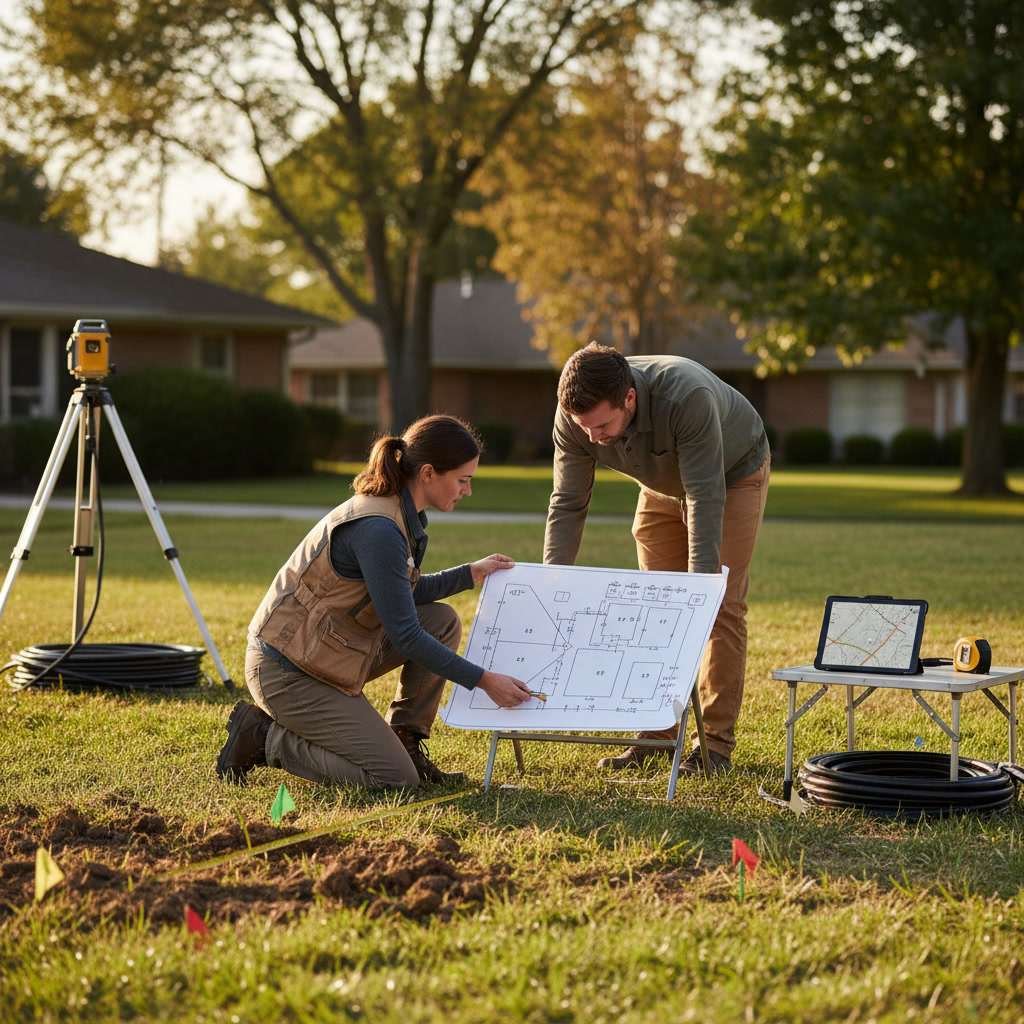
Soil testing every two to three years reveals pH imbalances, nutrient deficiencies, and organic matter levels. Adjusting pH with lime or sulfur applications makes existing nutrients more available to grass roots, often solving chronic yellowing or slow growth without adding more fertilizer. Most homeowners skip this step and waste money on products their soil cannot use.
Aeration and Overseeding for Turf Density
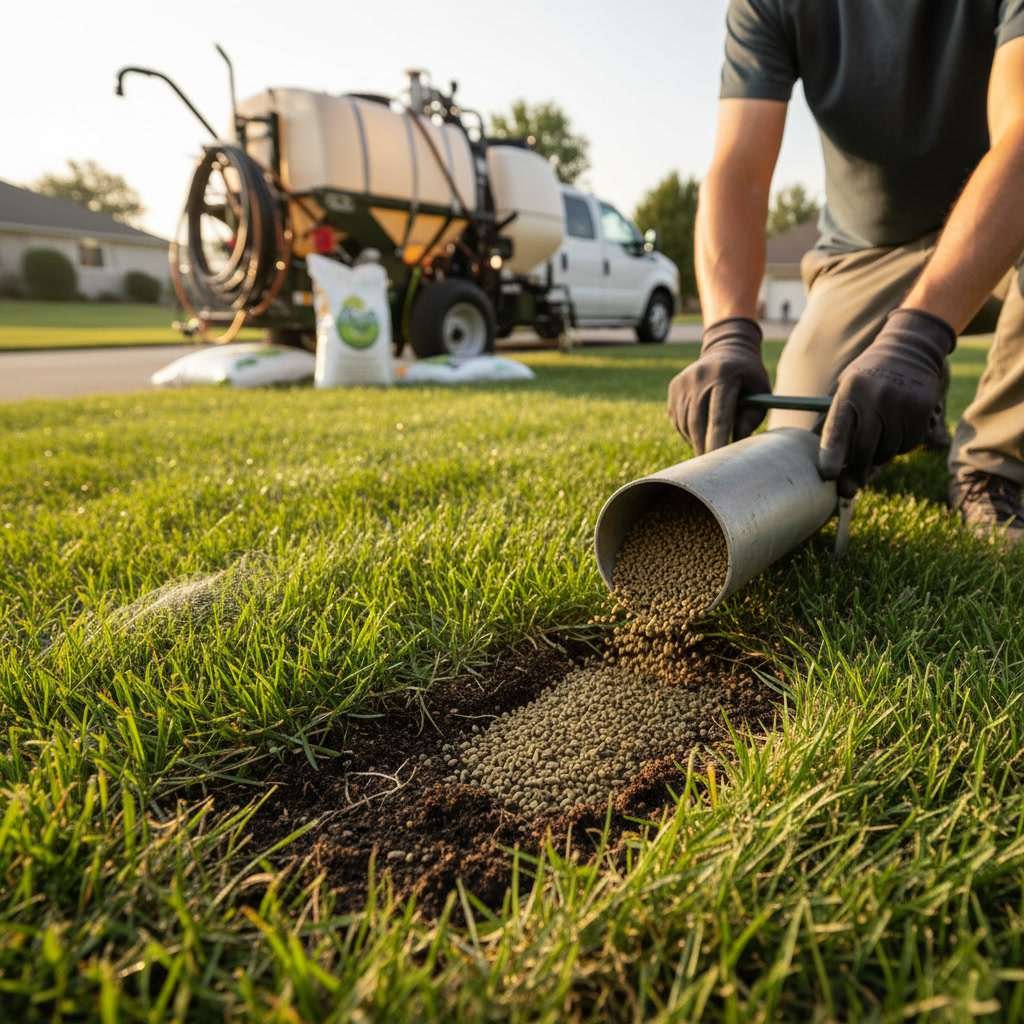
Compacted soil prevents water, air, and nutrients from reaching grass roots. Core aeration removes small plugs of soil, creating channels that relieve pressure and improve root penetration. The process is especially critical on clay-heavy soils common in Utah valleys, where foot traffic and equipment use compress the ground over time.
Overseeding immediately after aeration fills in thin areas and introduces improved grass varieties that resist disease and drought better than older cultivars. The seed falls into the aeration holes, where it makes direct contact with soil and establishes faster than broadcast seeding on hard ground. Fall is the ideal window for this combination treatment, giving new grass time to mature before summer heat arrives.
Irrigation Management and Seasonal Adjustments
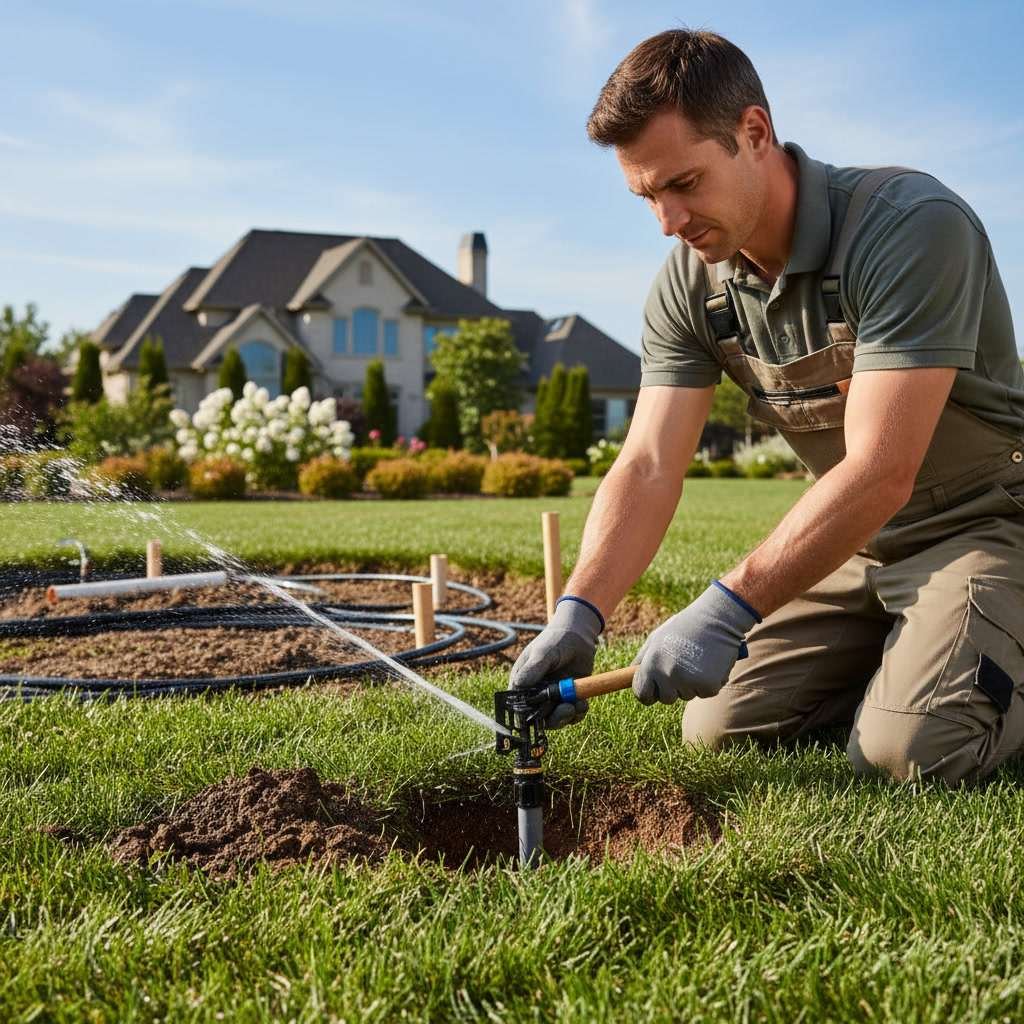
Even well-designed systems require ongoing adjustments to match plant needs, weather patterns, and seasonal changes. Spring startup inspections catch broken heads, leaks, and valve problems before they waste thousands of gallons. Mid-season tweaks adjust run times as temperatures climb and turf enters peak growth.
Fall winterization prevents freeze damage to pipes and components. Many properties suffer costly repairs every spring because systems were left charged with water during freezing temperatures. Professional sprinkler maintenance catches small problems before they become expensive failures and ensures every zone delivers the right amount of water.
Weed Control Strategies Throughout the Growing Season
Pre-emergent herbicides create a chemical barrier in the soil that stops weed seeds from germinating. Applied in early spring before soil temperatures reach 55 degrees, these treatments prevent crabgrass, foxtail, and other annual weeds that would otherwise compete with turf for water and nutrients. Timing is critical, as the products lose effectiveness once weeds have already sprouted.
Post-emergent treatments target broadleaf weeds like dandelions, clover, and bindweed after they appear. Spot treatments minimize chemical use and protect desirable plants, while broadcast applications handle heavy infestations. Consistent weed pressure indicates underlying problems with soil health, mowing height, or irrigation practices that need correction.
Pest and Disease Monitoring in Payson
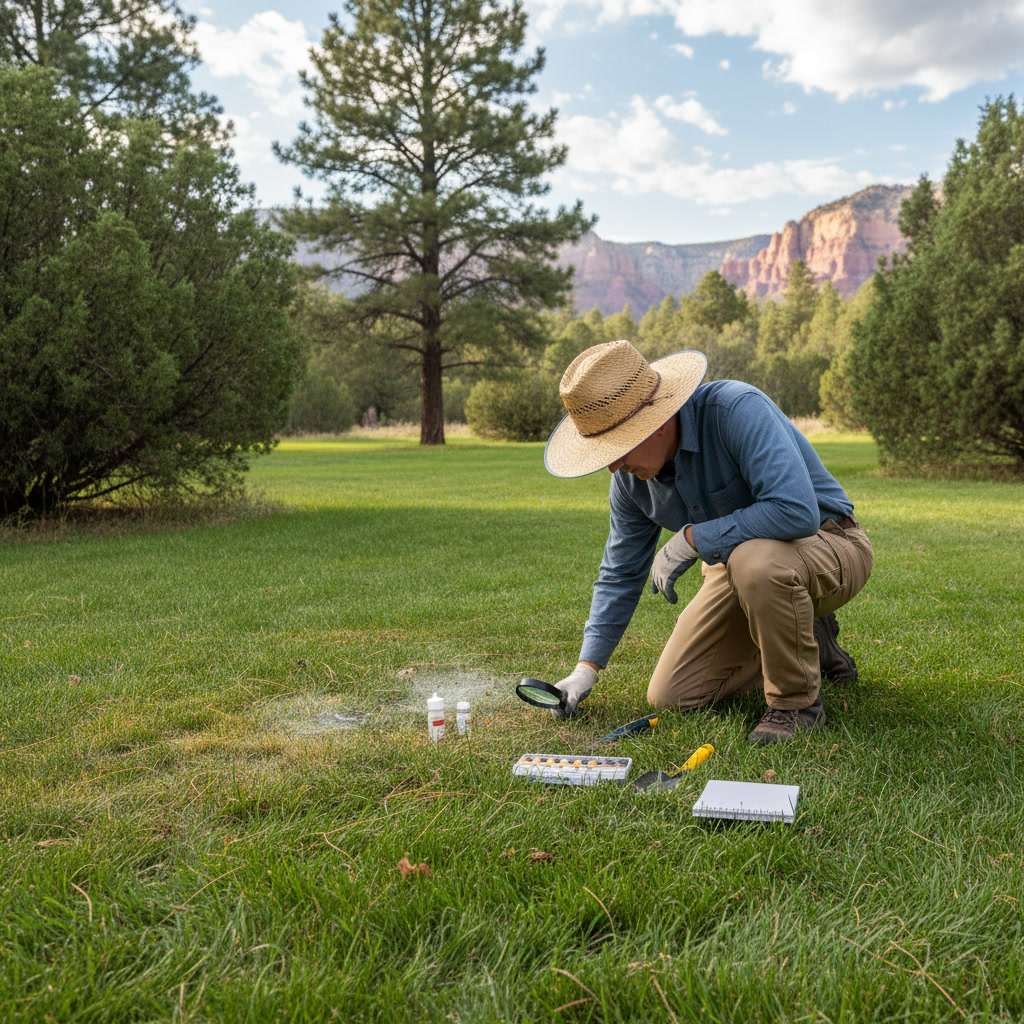
Turf diseases spread quickly in humid conditions or when grass stays wet overnight from improper watering schedules. Brown patch, dollar spot, and rust appear suddenly and can destroy large sections of lawn within days if left untreated. Early identification and targeted fungicide applications stop the spread and protect healthy turf.
Insect pests like grubs, chinch bugs, and sod webworms feed on grass roots and blades, creating irregular dead patches that expand rapidly. Professional monitoring catches infestations early, when treatment is most effective and least expensive. Many homeowners misdiagnose pest damage as drought stress and apply more water, which worsens the problem.
Seasonal Cleanup and Debris Management
Fall leaf removal prevents thick mats of organic material from smothering turf and creating disease-friendly conditions over winter. Leaves left in place block sunlight, trap moisture, and create dead spots that require reseeding in spring. Multiple cleanup passes through late autumn catch successive waves of leaf drop from different tree species.
Spring cleanup removes winter debris, dethatches accumulated organic matter, and prepares the lawn for active growth. Thatch layers thicker than half an inch prevent water and nutrients from reaching roots, effectively starving the turf despite regular care. Power raking or vertical mowing removes excess thatch without damaging healthy grass.
Turf Type Selection and Replacement Strategies
Not all grass varieties perform equally in Utah’s climate. Cool-season grasses like Kentucky bluegrass and tall fescue tolerate cold winters but struggle during peak summer heat without significant irrigation. Drought-tolerant varieties reduce water needs but may not provide the lush appearance some property owners expect.
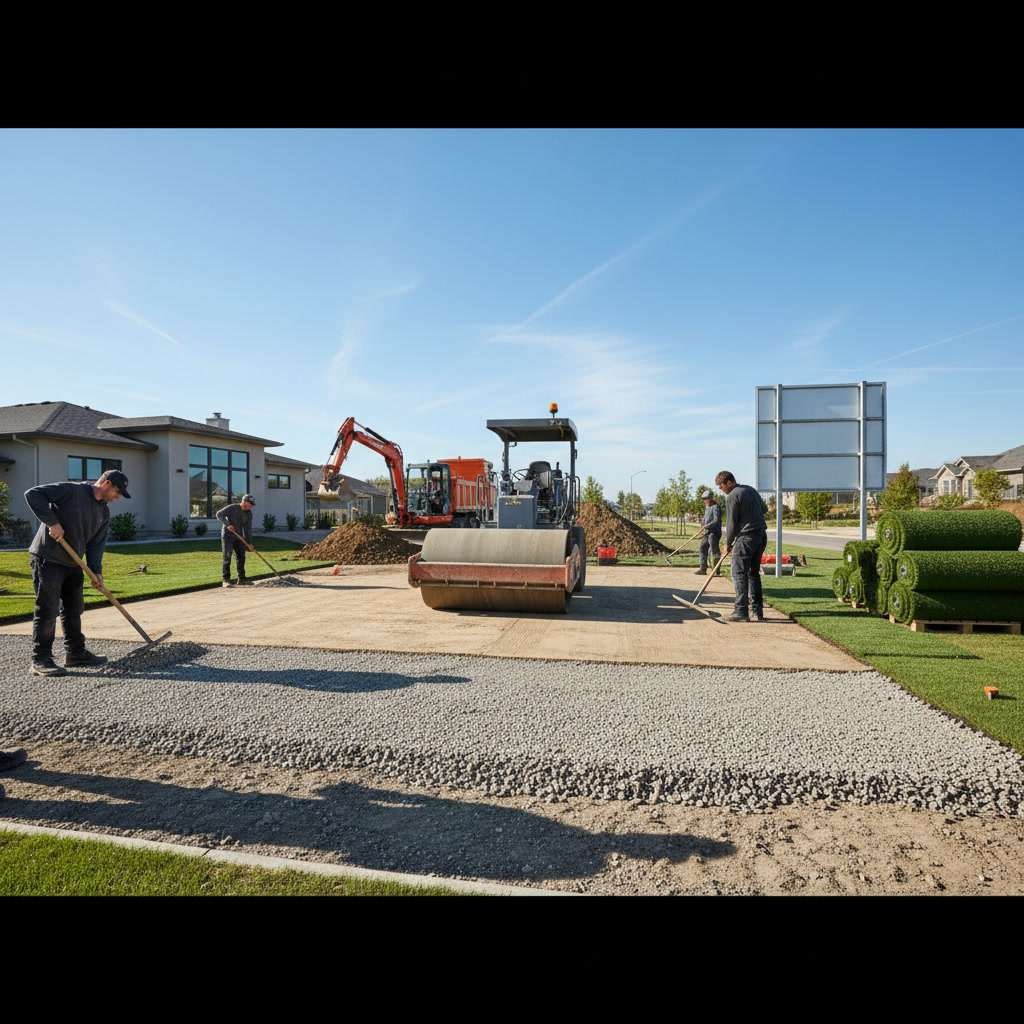
When turf failure is too extensive for overseeding to correct, complete replacement becomes the most cost-effective option. Modern turf installation techniques and improved varieties deliver faster establishment and better long-term performance than attempting to revive failing grass. If you are considering broader changes, exploring complete yard renovations may address underlying drainage or soil problems that cause repeated turf failure.
How Maintenance Contracts Protect Your Investment
Bundled service agreements typically cost 15 to 25 percent less than purchasing treatments individually. Contracts guarantee timely applications, so critical treatments happen during narrow seasonal windows when they deliver maximum benefit. Missed deadlines often mean waiting another full year for the next opportunity, allowing problems to compound.
Scheduled visits also provide ongoing monitoring that catches emerging issues before they become visible to property owners. Technicians familiar with your specific property notice subtle changes in turf health, irrigation performance, and pest pressure that occasional visitors miss. For context on what these agreements typically cover, reviewing details about local contract structures helps set accurate expectations.
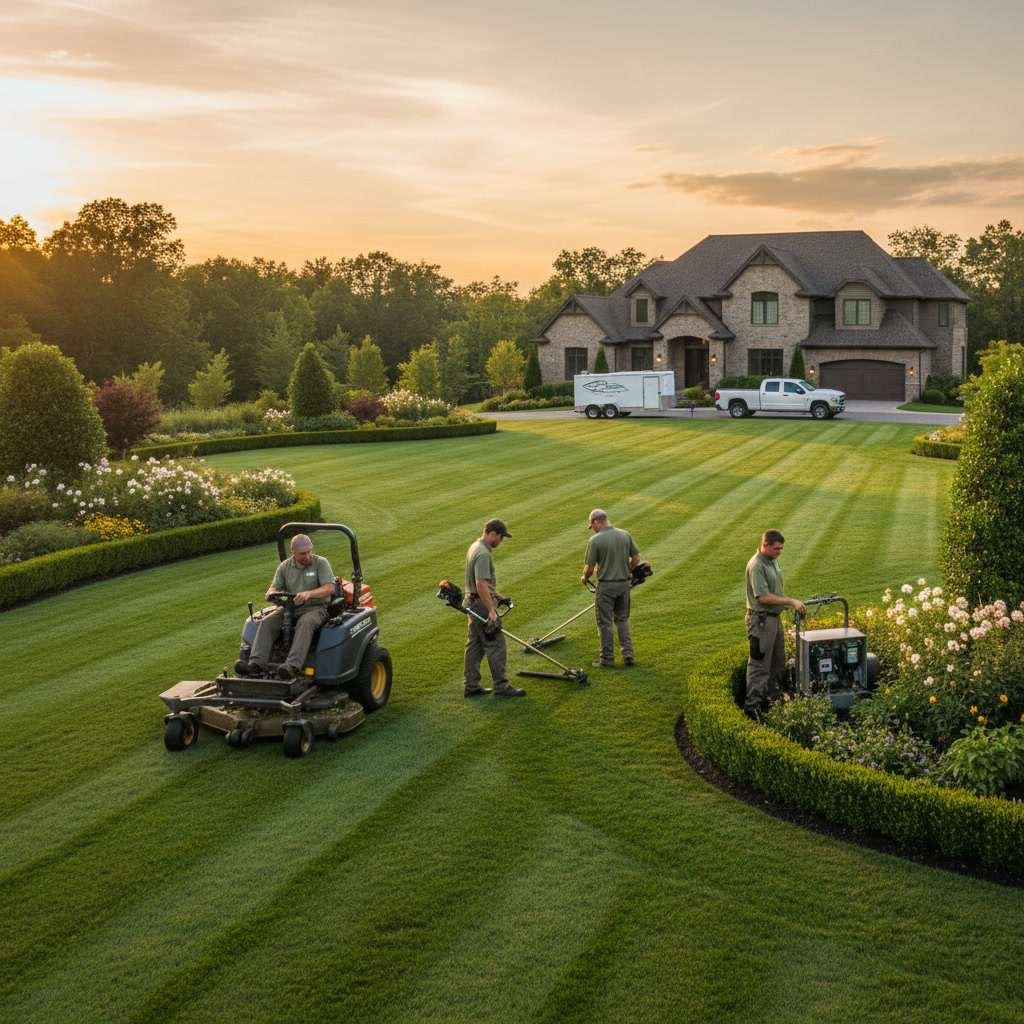
When to Upgrade from Basic to Comprehensive Care
Properties with chronic turf problems, high visibility requirements, or significant investment in landscaping features benefit most from full-service maintenance. If your lawn shows persistent thin spots, weed invasions, or disease despite regular mowing, the underlying causes require professional diagnosis and targeted treatment.
New turf installations need intensive care during the first two growing seasons to establish deep roots and dense coverage. Skipping this critical period often results in patchy, weak lawns that never reach their potential. The initial investment in premium sod or seed is wasted without proper follow-through.
Building a Lawn That Thrives Year After Year
Comprehensive maintenance creates resilient turf that recovers quickly from stress, resists disease and pest pressure, and maintains consistent appearance with less intervention over time. The cumulative effect of proper fertilization, aeration, pest management, and irrigation adjustments compounds each season, building soil health and root depth that basic mowing can never achieve.
Property owners who commit to professional care typically see noticeable improvement within one full growing season and dramatic transformation after two to three years of consistent service.
TG Landscaping has spent over 15 years developing maintenance programs that address the specific challenges of Utah County properties, from soil composition to seasonal weather patterns. Our approach combines regular monitoring with timely treatments that keep turf healthy through every season. If your property deserves more than basic mowing, call +13856265019 to discuss a customized maintenance plan that protects your investment and delivers the results you expect.