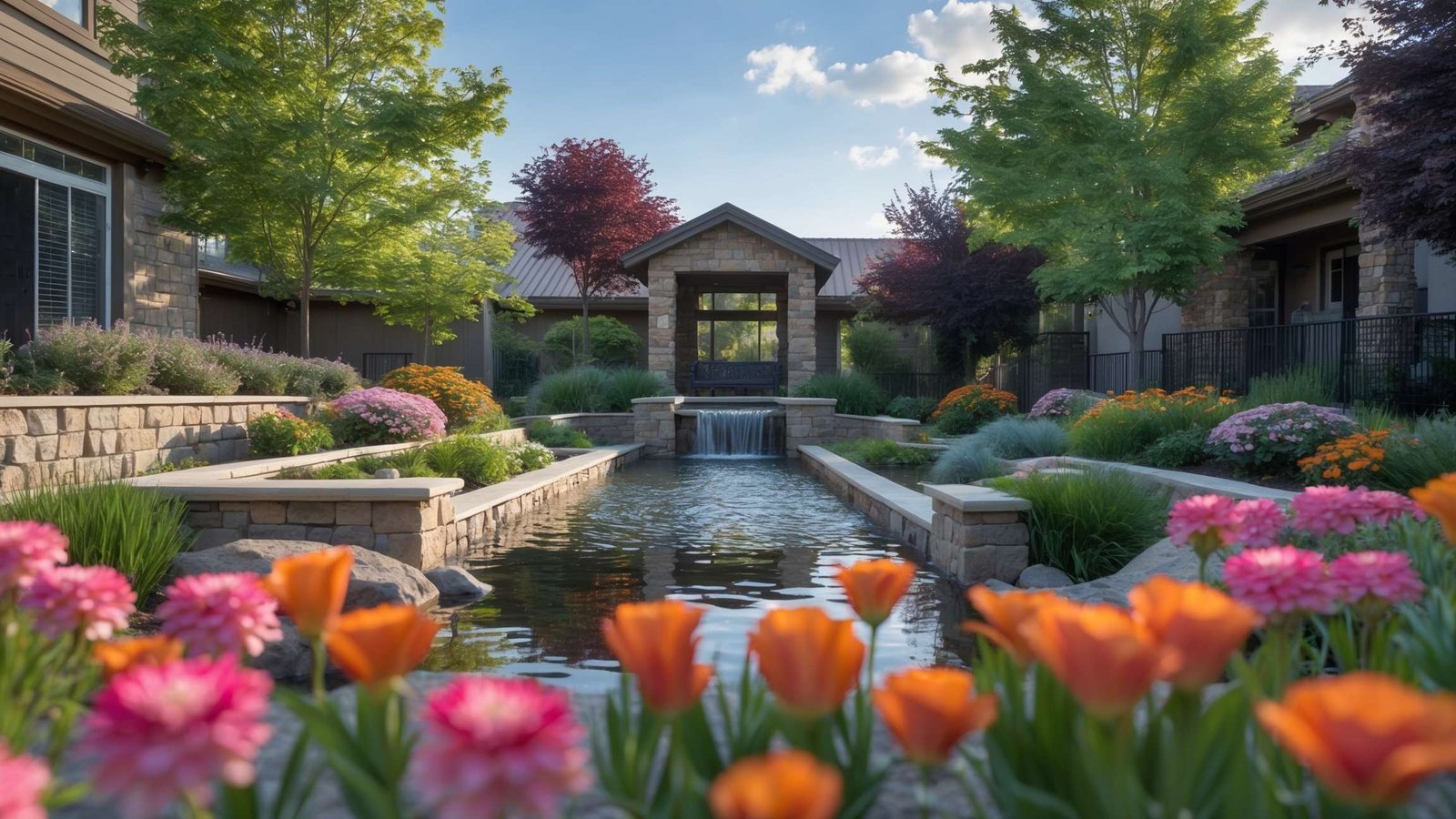
Water features add beauty and tranquility to Payson properties, but Utah’s four distinct seasons create unique maintenance challenges. When temperatures swing from below freezing in January to over 90 degrees in July, your fountain, pond, or waterfall needs seasonal care to stay functional and beautiful. Understanding how to maintain water feature Payson homeowners install starts with recognizing what each season demands from your investment.
The key difference between a water feature that lasts decades and one that requires constant repairs lies in consistent seasonal maintenance. Payson sits at 4,600 feet elevation, where winter freezes are guaranteed and summer heat can cause rapid evaporation and algae growth. Each season presents specific tasks that protect your equipment, preserve water quality, and keep your feature looking its best.
Understanding Payson’s Climate Impact on Water Features
Payson experiences cold winters with temperatures regularly dropping below 20 degrees Fahrenheit from December through February. These freezing conditions pose serious risks to pumps, pipes, and decorative elements if water is left to freeze and expand inside components.
Summer brings its own challenges. July and August often see temperatures exceeding 90 degrees, which accelerates evaporation and encourages algae blooms. Water levels can drop an inch or more per week during peak summer, exposing pumps and creating maintenance headaches.
Spring and fall serve as transition periods with rapidly changing conditions. These seasons require vigilance as overnight freezes can still occur in April and resume as early as October. The moderate temperatures make these ideal times for deep cleaning and system checks before extreme weather arrives.

Winter Maintenance and Winterization
Proper winterization protects your investment from freeze damage, which is the leading cause of expensive water feature repairs in Payson. You should begin winterization when nighttime temperatures consistently drop below 40 degrees, typically in late October or early November.
Draining and Pump Protection
Remove all water from pumps, pipes, and filter systems. Even small amounts of residual water can freeze, expand, and crack housings or impellers. Disconnect pumps and store them indoors in a basement or garage where temperatures stay above freezing.
For larger features with complex plumbing, use an air compressor to blow out remaining water from lines. This step is critical for water features with underground pipes or multi-level designs where gravity drainage is incomplete.
Protecting Decorative Elements
Remove delicate statuary, ceramic pots, or non-freeze-proof decorative pieces. Porous materials absorb water and crack when it freezes. Store these items indoors or in a shed.
For features you cannot disassemble, cover them with breathable tarps that allow moisture to escape while blocking debris. Secure covers against Payson’s winter winds, which can reach 30 mph during storms.
Partial Operation Strategy
Some Payson homeowners choose to run water features during mild winter days when temperatures stay above freezing. This approach requires daily monitoring and immediate shutdown when freezes are forecast. Moving water resists freezing better than still water, but the risk of overnight freezes damaging unattended systems makes full winterization the safer choice.
Pro Tip: Label all disconnected components with waterproof tags before storage. When spring arrives, you’ll remember exactly where each pump intake, filter, and connection belongs, saving hours of troubleshooting.
Spring Startup and Deep Cleaning
Spring is when you’ll maintain water feature Payson installations most thoroughly. Plan your startup for mid-April when the last hard freeze has passed and daytime temperatures consistently reach the 60s.
System Inspection
Before adding water, inspect every component. Check pump impellers for debris, examine tubing for cracks or rodent damage, and test electrical connections. Winter weather and hungry animals can cause surprising damage to idle systems.
Look for settling, cracks, or shifting in the feature’s structure. Freeze-thaw cycles can move stones, crack concrete, or compromise liner integrity. Address these issues before filling the feature to avoid wasting water or damaging newly installed pumps.
Thorough Cleaning Process
Scrub all surfaces with a stiff brush to remove algae, mineral deposits, and winter grime. For natural stone features, avoid harsh chemicals that can stain or etch surfaces. A mixture of water and white vinegar works well for most cleaning tasks.
Clean or replace filter media. Foam filters, biological media, and mechanical filters all degrade over time. Spring is the ideal time to start the season with fresh filtration capacity.
Flush all plumbing lines before connecting pumps. Debris that settled during winter can clog impellers or restrict water flow, reducing efficiency and shortening pump life.
Initial Fill and Testing
Fill the feature with fresh water and add appropriate water treatments. Beneficial bacteria products help establish biological filtration in ponds, while enzyme treatments can prevent algae in fountains and waterfalls.
Run the system for 24 hours while monitoring for leaks, unusual noises, or flow problems. This test period lets you identify issues while you still have time to address them before the busy growing season.
If you’re planning broader landscape updates this spring, coordinating residential landscaping projects with water feature maintenance can save time and improve overall results.
Summer Care and Water Quality Management
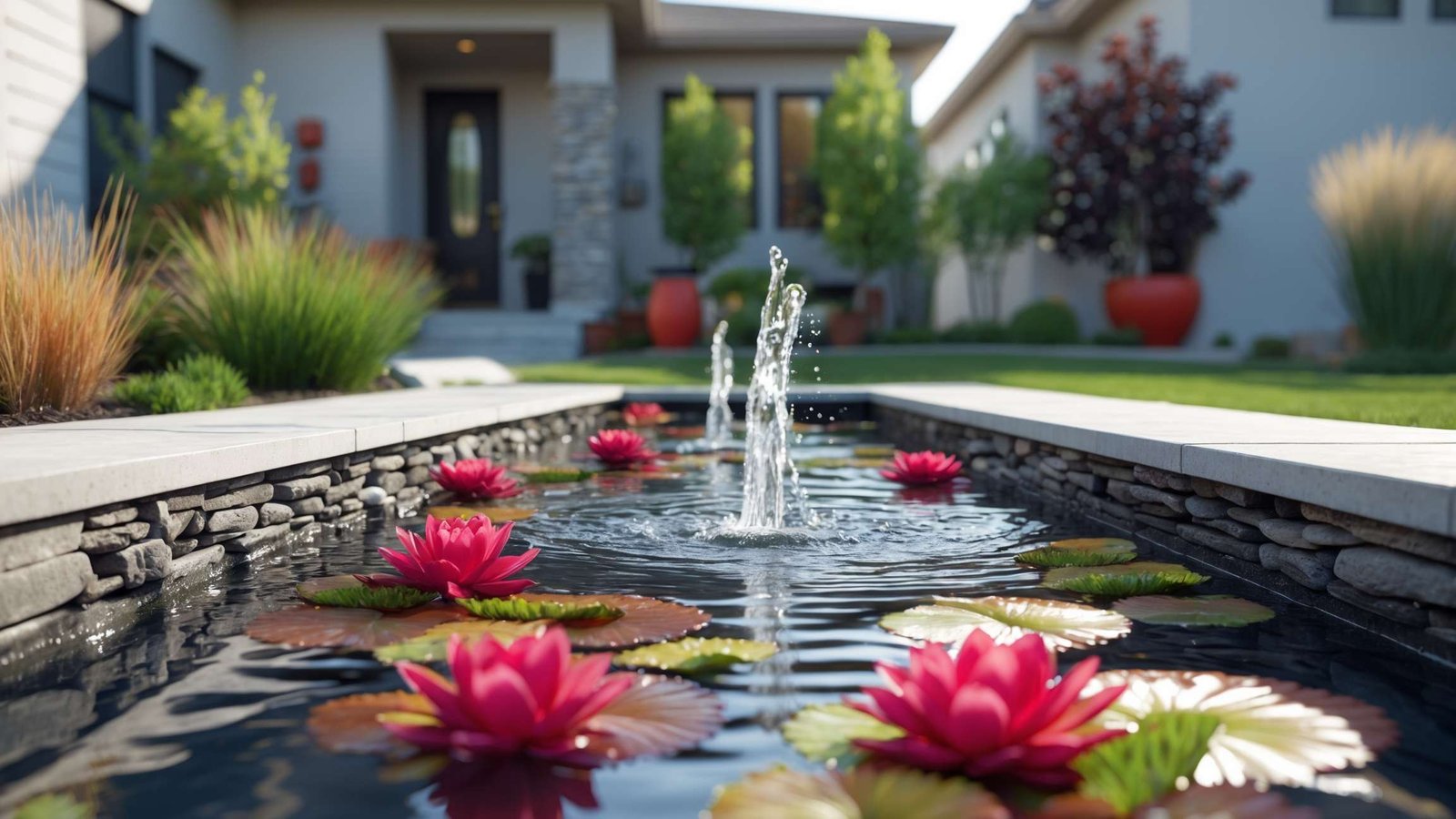
Summer maintenance focuses on water quality, consistent operation, and managing evaporation. High temperatures and intense sunlight create ideal conditions for algae growth while rapidly depleting water levels.
Monitoring Water Levels
Check water levels twice weekly during July and August. Evaporation rates in Payson can exceed one inch per week, and low water levels expose pumps to air, causing immediate damage. Add water before levels drop enough to affect pump operation.
Consider installing an automatic fill valve if you travel frequently or have a large feature. These devices maintain consistent water levels, protecting equipment and reducing maintenance time.
Algae Prevention and Control
Algae thrives in warm, nutrient-rich water with plenty of sunlight. To maintain water feature Payson residents are proud of, address all three factors.
Add shade where possible. Floating plants in ponds, strategically placed trees, or shade sails can reduce sunlight exposure. Even partial shading significantly decreases algae growth.
Use algaecides or natural enzyme treatments appropriate for your feature type. Ponds with fish require fish-safe products, while standalone fountains can tolerate stronger treatments. Follow manufacturer directions precisely because overdosing can harm beneficial bacteria or damage plants.
Maintain proper circulation. Stagnant water grows algae faster than moving water. Ensure your pump provides adequate flow for your feature’s size. As a general rule, pond pumps should circulate the entire volume at least once per hour.
Equipment Maintenance
Clean pump intakes and filters every two weeks during peak summer. Algae, leaves, and debris accumulate quickly in warm weather, reducing flow and forcing pumps to work harder.
Check for mineral buildup on fountain heads and waterfall spillways. Payson’s water is moderately hard, and white calcium deposits can restrict water flow or create uneven patterns. Remove buildup with vinegar or commercial descaling products.
Inspect tubing connections monthly. Heat and UV exposure can degrade plastic fittings and cause leaks. Replace any connections that show cracking or brittleness.
Key Takeaway: Summer water loss comes from evaporation, splashing, and leaks. If you’re adding more than two inches of water per week, you likely have a leak that needs attention before it wastes hundreds of gallons.
Fall Preparation and Transition Care
Fall serves as the bridge between summer operation and winter shutdown. September and October offer ideal conditions for maintenance tasks too hot for summer and too cold for winter.
Deep System Cleaning
Perform a thorough cleaning in early fall before leaves begin dropping. Remove accumulated sediment from pond bottoms, scrub surfaces clean of summer algae growth, and trim aquatic plants that have grown overly large.
This cleaning is more important than spring cleaning because organic material left in features over winter decomposes, creating nutrient loads that fuel aggressive algae blooms the following spring.
Leaf Management
As trees drop leaves in October, prevent them from accumulating in your water feature. Install netting over ponds or use skimmers to remove leaves daily. Decomposing leaves release tannins that stain water brown and create unpleasant odors.
For features near deciduous trees, consider placing the feature in standby mode once heavy leaf drop begins. Running the system is difficult when you’re removing buckets of leaves daily.
Final Inspections Before Winter
Evaluate the season’s wear and tear before winterizing. Note any repairs needed, order replacement parts, and schedule professional service if necessary. Addressing these items in fall means you’re ready for a quick startup next spring.
Test GFCI outlets and electrical connections. Moisture and corrosion accumulate over the operating season. Ensuring electrical safety before shutdown prevents surprises and potential hazards.
Similar to how professional irrigation layout and design prevents water waste, thoughtful fall preparation prevents costly spring repairs and extends equipment life.
Common Maintenance Mistakes to Avoid
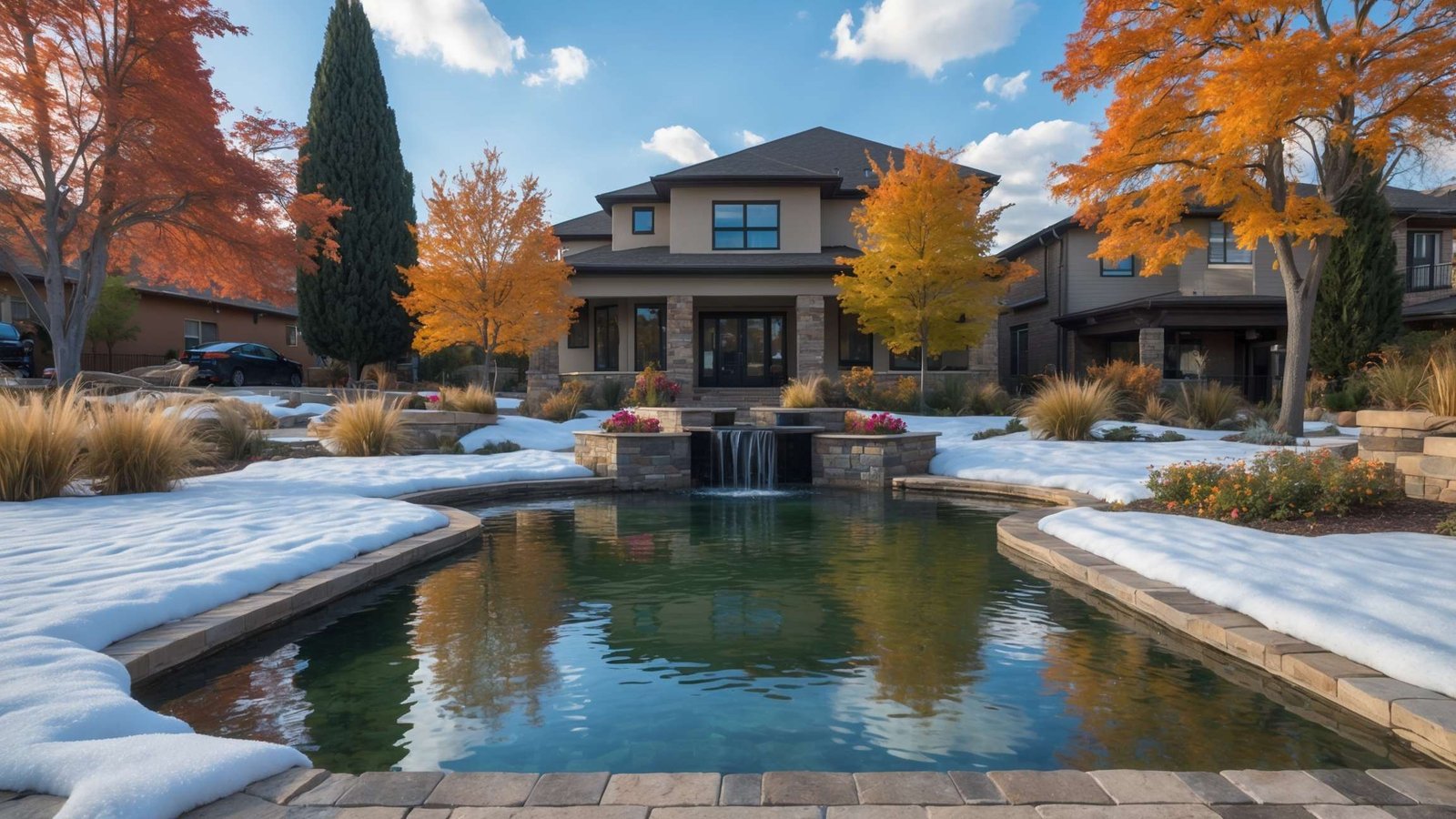
Several common errors create unnecessary problems for Payson water feature owners. Avoiding these mistakes saves money and reduces frustration.
Neglecting Regular Cleaning
Waiting until your water turns green or your pump fails is too late. Establish a regular maintenance schedule and stick to it. Biweekly attention during the operating season prevents problems that require days of work to correct.
Using Incorrect Water Treatments
Not all water treatments work for all features. Chlorine-based products that work well in fountains can kill fish and beneficial bacteria in ponds. Always verify product compatibility with your specific feature type before application.
Ignoring Manufacturer Guidelines
Pump and filter manufacturers provide specific maintenance intervals and procedures. Following these guidelines protects warranty coverage and ensures equipment operates as designed. Keep manuals accessible and reference them regularly.
Skipping Professional Inspections
Annual professional inspections catch developing problems before they become expensive failures. A qualified technician can identify worn impellers, failing seals, or electrical issues that aren’t obvious during routine owner maintenance.
When to Call Professional Help
While homeowners can handle routine maintenance, certain situations require professional expertise. Complex repairs, electrical troubleshooting, and structural issues are best left to experienced contractors.
Persistent water quality problems despite proper treatment may indicate design flaws or equipment sizing issues. A professional can evaluate your system and recommend improvements.
If you’re considering expanding your existing feature or adding new elements, professional design and installation ensures components work together efficiently. Poor integration of new pumps, filters, or decorative elements can compromise the entire system.
For homeowners in surrounding areas looking for similar guidance, many of these same principles apply throughout Utah County. Whether you’re near Spanish Fork or closer to the Wasatch Front, elevation and climate create comparable maintenance requirements.
Long-Term Care and Upgrades
Water features typically require component replacement or upgrades every five to ten years. Pumps wear out, UV filters lose effectiveness, and plumbing connections degrade.
Plan for these expenses by setting aside a small maintenance fund annually. Replacing a $200 pump is manageable, but facing simultaneous pump, filter, and lighting failures can strain budgets.
Consider efficiency upgrades during component replacement. Modern LED lighting uses 75 percent less energy than older halogen systems. Variable-speed pumps reduce electrical consumption while providing better flow control.
Technology improvements in water feature components continue advancing. When you maintain water feature Payson installations for the long term, periodic upgrades keep your investment current with improved efficiency and reliability.
Seasonal Maintenance Checklist Summary
Following a structured seasonal approach simplifies water feature care. Here’s what each season requires.
Winter
- Drain all water from pumps and plumbing
- Store pumps and delicate elements indoors
- Cover features with breathable tarps
- Monitor covers after storms for snow accumulation
Spring
- Inspect all components for winter damage
- Deep clean surfaces and structures
- Replace filter media and worn parts
- Fill, treat, and test run system before warm weather
Summer
- Check water levels twice weekly
- Clean pump intakes and filters biweekly
- Apply algae treatments as needed
- Monitor for leaks and unusual operation
Fall
- Perform deep cleaning before leaf drop
- Remove leaves daily during peak drop
- Inspect for repairs needed before winterization
- Order parts and schedule professional service if needed
Frequently Asked Questions
When should I winterize my water feature in Payson?
Begin winterization in late October or early November when nighttime temperatures consistently drop below 40 degrees. Waiting too long risks freeze damage to pumps and plumbing. Monitor weather forecasts and plan to complete winterization before the first hard freeze, which typically occurs in early November.
Can I run my water feature during Payson winters?
Running water features during winter is possible on mild days above freezing, but it requires constant monitoring and immediate shutdown when freezes are forecast. Most homeowners find full winterization safer and less stressful than daily winter management. The risk of overnight freeze damage to unattended systems usually outweighs the benefit of winter operation.
How often should I clean my water feature pump?
Clean pump intakes and pre-filters every two weeks during the summer operating season. Monthly cleaning is usually sufficient during spring and fall. Debris accumulation varies based on surrounding vegetation and feature design, so adjust frequency if you notice reduced flow or unusual pump noise between scheduled cleanings.
What causes white buildup on my fountain?
White or chalky buildup is calcium carbonate from mineral deposits in Payson’s moderately hard water. As water evaporates, minerals remain and accumulate on surfaces. Regular cleaning with white vinegar or commercial descaling products removes buildup. Using distilled water or installing a water softener can reduce but not eliminate mineral accumulation.
How much water loss is normal during summer?
Expect to lose about one inch of water per week to evaporation during July and August in Payson. Larger losses may indicate leaks, excessive splashing, or unusually high temperatures. If you’re adding more than two inches weekly, inspect for leaks and evaluate whether splash guards or flow adjustments can reduce water loss.
Professional Water Feature Services
Maintaining a water feature through Payson’s four distinct seasons requires knowledge, consistent effort, and proper equipment. While many homeowners successfully handle routine care, professional assistance ensures your investment stays beautiful and functional for decades.
TG Landscaping has installed and maintained water features throughout Payson and surrounding communities for over 15 years. Our team understands the specific challenges Utah’s climate presents and can help with seasonal maintenance, repairs, and system upgrades. Whether you need help winterizing before the first freeze or want to add a new water feature to your property, we bring the same attention to detail that built our reputation from those first sprinkler repairs into complete yard transformations.
If you’re ready to discuss your water feature maintenance needs or explore adding a fountain, pond, or waterfall to your property, contact TG Landscaping at +13856265019. We serve Payson and the surrounding area with professional landscaping services designed to make your outdoor space beautiful year-round.