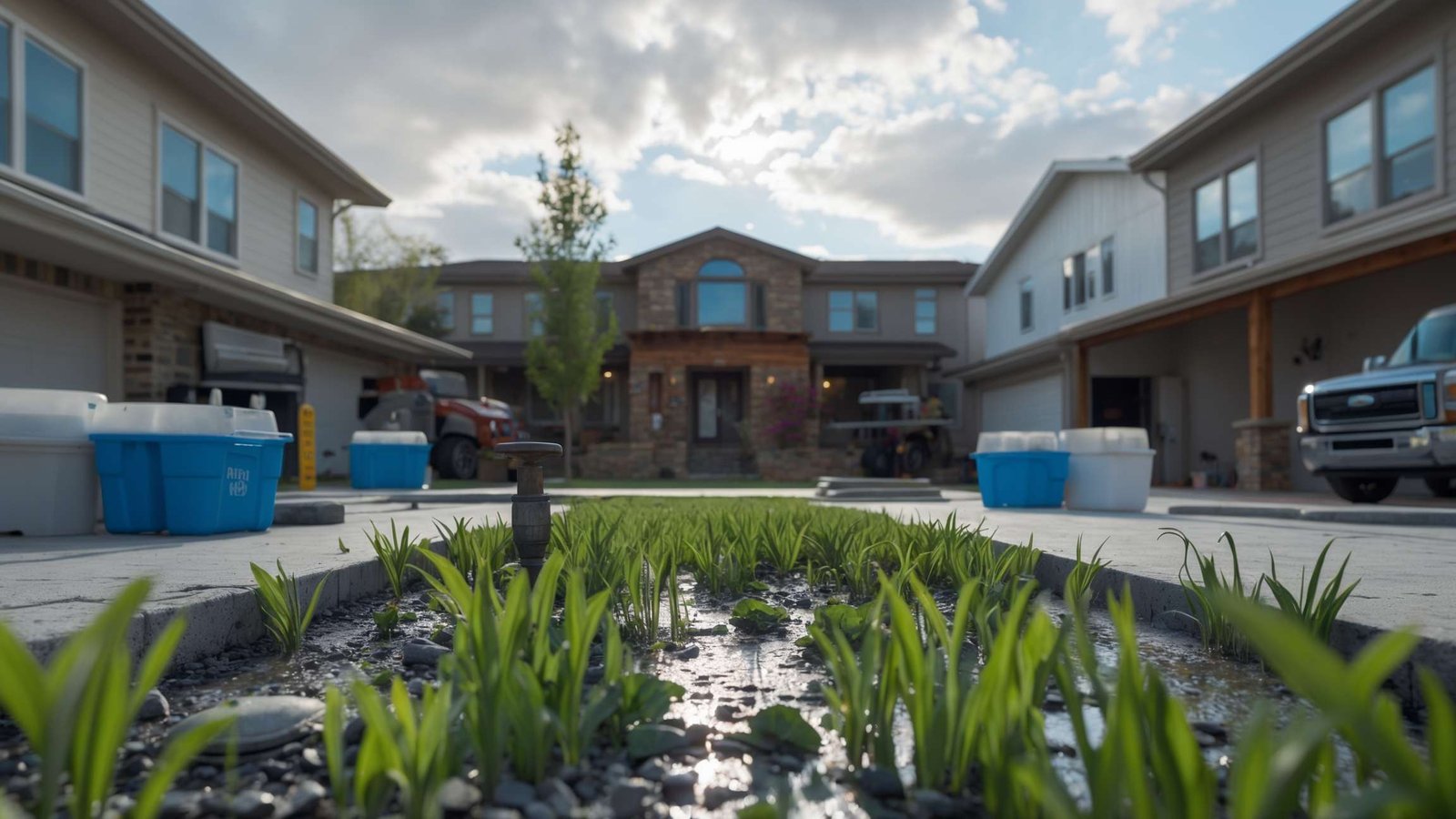
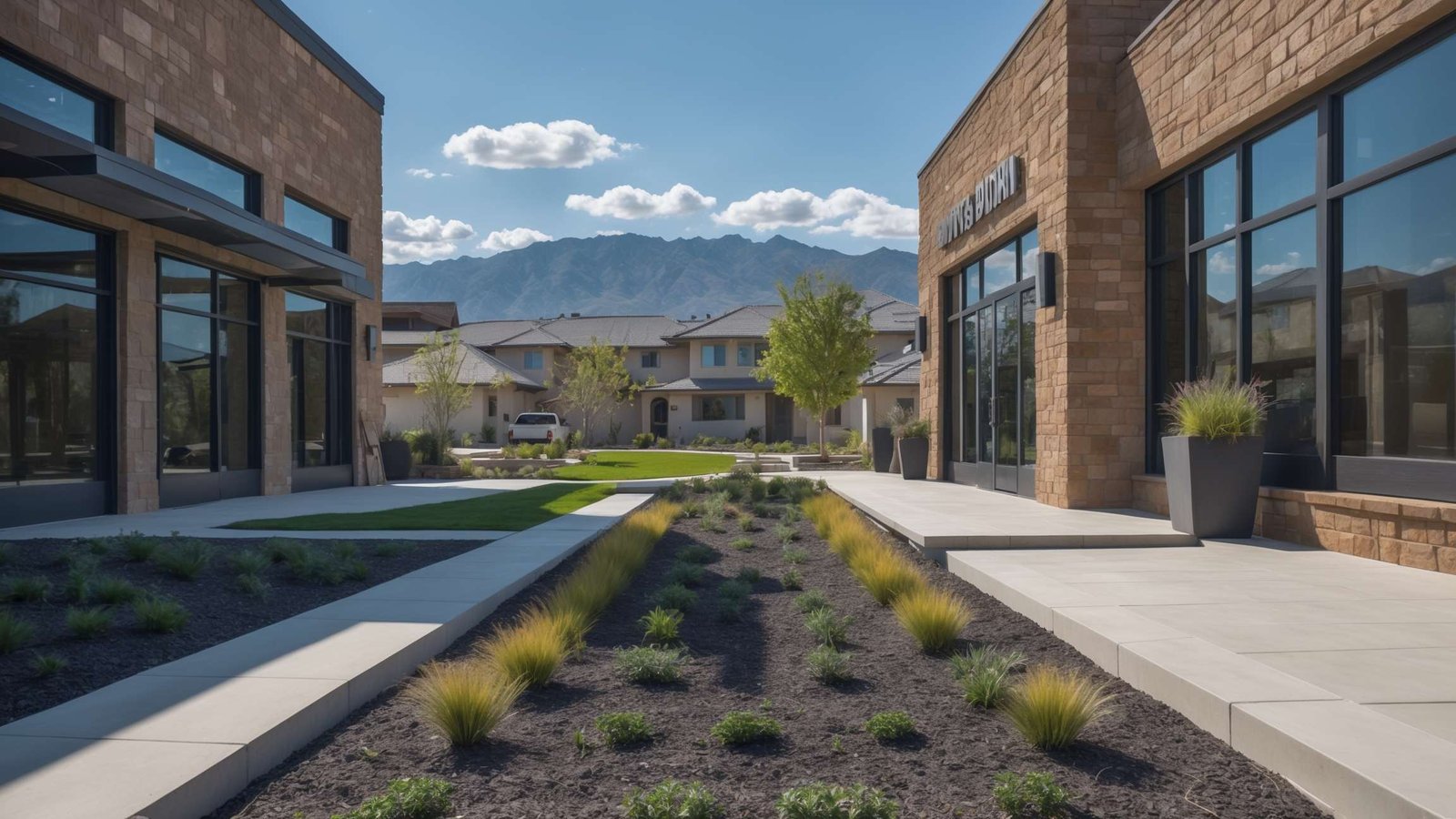
Building a new home in Santaquin means facing a blank canvas outside your front door. While exciting, the question that stops most homeowners is straightforward: what will it actually cost to landscape? Understanding residential landscaping cost Santaquin homeowners face for new construction helps you plan accurately and avoid budget surprises halfway through your project.
New construction landscaping differs from renovation work because you’re starting from scratch. There’s no existing sprinkler system to work around, no mature trees to preserve, and typically raw dirt that needs significant grading and soil preparation. This guide breaks down what you’ll pay for each component, where costs add up quickly, and how to prioritize spending to get the best value for your investment.
Basic Cost Ranges for New Construction Landscaping in Santaquin
The residential landscaping cost Santaquin homeowners should expect for new construction typically falls into three tiers. These ranges reflect complete front and backyard installations on standard residential lots between 0.20 and 0.35 acres.
Basic landscaping packages run $8,000 to $15,000 and include essential elements like sod or seeded lawn areas, a simple sprinkler system with 4-6 zones, basic grading to establish drainage, and minimal plantings like shrubs along the foundation. This tier gets your yard functional but won’t include hardscaping, decorative features, or extensive plant beds.
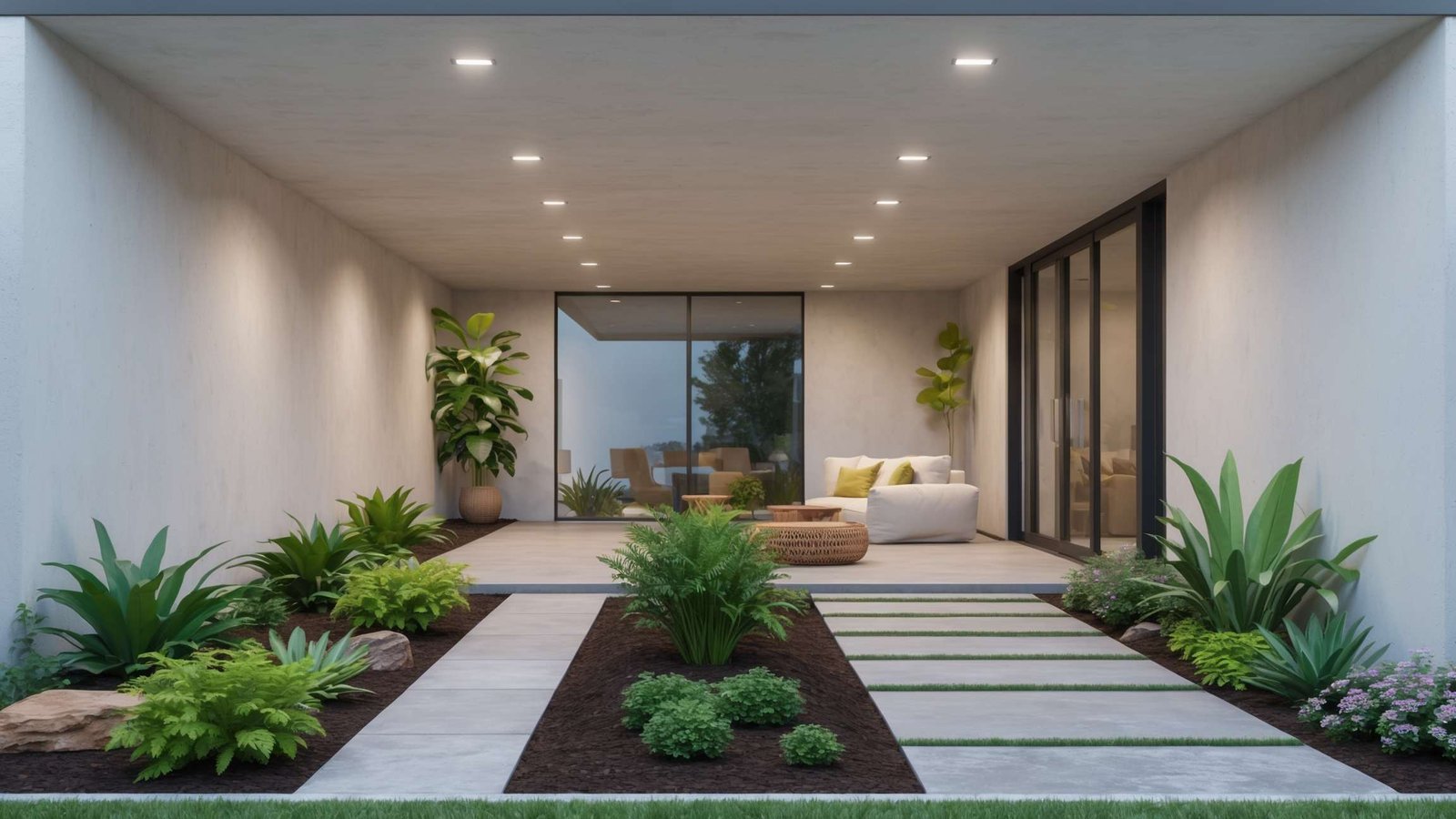
Mid-range projects cost $15,000 to $35,000 and add substantial value through features like a concrete patio or walkways, upgraded irrigation with drip zones for planting areas, more extensive landscape beds with a variety of trees and shrubs, decorative rock or mulch applications, and proper soil amendment beyond the builder’s rough grade. Most homeowners in Santaquin find this range meets their needs for both function and curb appeal.
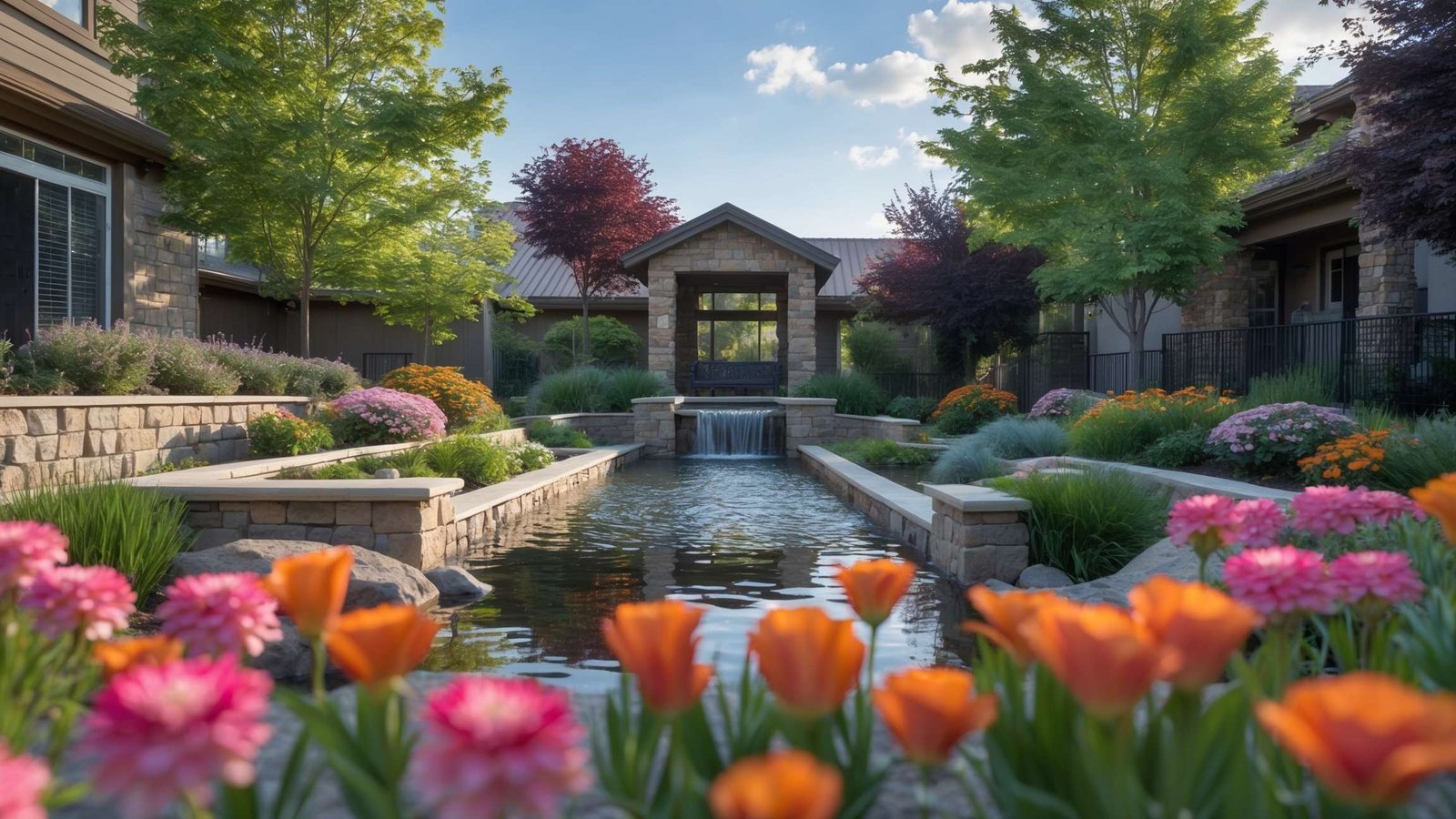
Premium installations exceed $35,000 and can reach $60,000 or more for larger properties. These projects incorporate stamped or decorative concrete, outdoor kitchens or fire features, custom water features, extensive plantings with mature specimen trees, synthetic turf in selected areas, and high-end irrigation systems with smart controllers and weather sensors.
Breaking Down Individual Component Costs
Understanding what each landscaping element costs individually helps you make informed decisions about where to invest your budget and where you might scale back.
Grading and Soil Preparation
New construction sites often leave you with compacted clay and construction debris. Proper grading to direct water away from your foundation costs $1,200 to $3,500 depending on how much dirt needs moving. Adding topsoil runs $35 to $60 per cubic yard delivered and spread, and most yards need 10 to 20 cubic yards to establish proper planting depth.
Soil amendment with compost improves growing conditions significantly but adds $400 to $900 to your budget. This step matters more in Santaquin’s alkaline clay soil than in areas with naturally rich topsoil.
Irrigation System Installation
A properly designed sprinkler system is non-negotiable for new construction. Basic systems with pop-up spray heads and rotors for standard zones cost $3,000 to $5,500 for a typical residential lot. Upgrading to include drip irrigation for planting beds and trees adds $800 to $1,500.
Smart controllers with WiFi connectivity and weather-based watering adjustments add $300 to $600 but typically pay for themselves through water savings within two seasons. Our irrigation layout and design service ensures proper coverage while minimizing water waste, a critical consideration given common mistakes that lead to overwatering or dry spots.
Lawn Installation
Sod provides instant results and costs $0.45 to $0.75 per square foot installed, including delivery and labor. For a 5,000 square foot lawn area, expect to pay $2,250 to $3,750. Hydroseeding costs less at $0.15 to $0.30 per square foot but requires 6-8 weeks before you can use the lawn and needs more careful watering during establishment.
Synthetic turf installation runs $8 to $15 per square foot but eliminates ongoing maintenance and watering costs. Many homeowners choose synthetic turf for problem areas like narrow side yards or high-traffic play areas while keeping natural grass for larger open spaces.
Hardscaping Elements That Impact Your Budget
Concrete and stone work often represents the largest single expense in mid-range and premium landscaping projects. These permanent features define your outdoor living space and significantly impact overall functionality.
Standard concrete patios cost $8 to $12 per square foot for basic finishes. A 300 square foot patio suitable for outdoor furniture and a grill runs $2,400 to $3,600. Stamped or colored concrete increases costs to $12 to $18 per square foot, while decorative options with custom patterns or multiple colors can reach $18 to $25 per square foot.
Concrete walkways typically cost $6 to $10 per square foot for standard 4-foot-wide paths. Budget $600 to $1,000 for a basic front walkway from driveway to front door, or $1,200 to $2,000 for a wider decorative path with borders or curves.
Pro Tip: Phase hardscaping over two years if budget is tight. Install essential walkways and a small patio in year one, then expand outdoor living areas in year two after you’ve seen how you actually use your yard. This approach also spreads tax implications for those tracking home improvement costs.
Plant Material and Landscape Bed Costs
Trees, shrubs, and perennials bring life and color to your landscape. Costs vary dramatically based on plant size, species, and quantity.
Shade trees in 15-gallon containers cost $150 to $400 each installed. Most front yards benefit from 1-2 trees, while backyards might accommodate 2-4 depending on lot size. Larger specimen trees in 24-inch boxes start at $500 and can exceed $1,500 for mature evergreens.
Foundation shrubs in 5-gallon containers run $35 to $75 each. Plan for 12-20 shrubs to properly landscape a home’s foundation, fencing, and major landscape beds. Perennial flowers and ornamental grasses in 1-gallon pots cost $8 to $20 each, and you’ll need 30-50 plants to fill beds without leaving large gaps.
Mulch or decorative rock finishes landscape beds and suppresses weeds. Bark mulch costs $75 to $125 per cubic yard installed and needs replenishing every 2-3 years. River rock or crushed granite costs $85 to $150 per cubic yard but lasts indefinitely with occasional leveling.
Regional Factors That Affect Residential Landscaping Cost Santaquin Homeowners Face
Santaquin’s location brings specific considerations that influence both upfront costs and long-term maintenance requirements. Understanding these factors helps you make smarter choices during the design phase.
Water availability and conservation matter significantly. Santaquin receives approximately 13 inches of annual precipitation, well below the national average. Designing landscapes that minimize water use through efficient irrigation, drought-tolerant plantings, and appropriate lawn sizing reduces both installation costs and ongoing water bills. The strategies that prevent irrigation problems in local yards apply equally to new installations and existing systems.
Soil conditions across Santaquin vary but generally feature alkaline clay that drains poorly and lacks organic matter. Budget extra for soil amendment and possibly drainage solutions like French drains or dry wells in low spots. Properties on the benches east of town may have rockier soil requiring additional excavation for planting.
Wind exposure affects plant selection and irrigation efficiency. Western and northern exposures need windbreaks or more durable plant species. Sprinkler systems must account for wind drift that reduces coverage and wastes water.
Timing Your Landscaping Installation
When you schedule your landscaping work affects both cost and success rates. Most new construction homeowners face pressure to landscape quickly after closing, but strategic timing saves money and improves outcomes.
Spring installation from late March through May offers ideal conditions for plant establishment. Root systems develop before summer heat arrives, and consistent spring moisture reduces irrigation needs during the critical first months. However, this peak season often means higher contractor demand and potentially premium pricing.
Fall installation from mid-September through October provides excellent planting conditions without peak season premiums. Cooler temperatures reduce plant stress, fall rains help with establishment, and contractors often have more availability. The main limitation is shortened growing season before winter dormancy.
Summer and winter installations are possible but come with tradeoffs. Summer work faces heat stress on new plantings and requires vigilant watering, while winter limits plant selection and ground may freeze during installation periods. Both off-peak seasons might offer modest discounts from contractors seeking to fill schedules.
Key Takeaway: Schedule final grading and irrigation installation in spring or fall, but delay sod and plant installation until you can maintain consistent care. An installed but neglected landscape wastes more money than delaying installation until you’re ready to water properly.
Getting the Most Value From Your Landscaping Budget
Smart prioritization ensures your landscaping dollars deliver maximum impact and long-term satisfaction. These strategies help stretch budgets without sacrificing quality.
Invest in permanent infrastructure first. A properly installed irrigation system and quality hardscaping last decades and prove difficult to retrofit later. These elements form your landscape’s foundation. You can always add plants and decorative elements over time, but moving concrete or re-routing sprinkler lines costs significantly more than getting them right initially.
Start small with plant material. Young trees and shrubs in smaller containers cost less and often establish faster than larger specimens. A $75 shrub in a 5-gallon pot will match the size of a $150 shrub in a 15-gallon pot within two growing seasons under proper care.
Focus on front yard curb appeal in phase one. Your home’s street presence matters for property value and neighborhood impression. A polished front yard with basic backyard functionality serves most families better than an ambitious backyard with a neglected front.
Consider a full yard transformation plan designed for phased implementation. Professional design ensures all phases work together cohesively, even if you spread installation across multiple years. This approach prevents costly do-overs when later phases conflict with earlier decisions.
Mixing contractor work with DIY tasks saves money if you have time and ability. Hire professionals for irrigation installation, grading, and concrete work that require specialized equipment and expertise. Handle mulching, planting annuals, and decorative rock spreading yourself.
What’s Included Versus What Costs Extra
Understanding what contractors include in base landscaping quotes prevents surprise expenses when final invoices arrive. Standard residential landscaping packages typically include design consultation, all materials for specified work, labor and equipment, irrigation system with controller and valves, and basic cleanup and haul-away.
Common items that cost extra include permits and HOA approval fees, utility locates beyond the free service, removal of existing vegetation or structures, repair of construction damage beyond normal grading, soil testing or engineering for drainage issues, outdoor lighting systems, and ongoing maintenance after installation. Always clarify what’s included before signing contracts.
Warranty coverage varies by contractor and component. Reputable companies warranty their installation work for at least one year. Plant material typically carries a 30-day to one-year warranty depending on species and size, with warranties requiring proof of proper watering. Irrigation components usually carry manufacturer warranties of 1-5 years, while contractor workmanship warranties cover installation defects.
Frequently Asked Questions
How much should I budget for landscaping as a percentage of my home’s value?
A common guideline suggests allocating 10-15% of your home’s value to landscaping for new construction. For a $400,000 home, this means $40,000 to $60,000 total. However, lot size, desired features, and existing conditions matter more than strict percentages. Focus on creating functional outdoor spaces that match your lifestyle rather than hitting arbitrary spending targets.
Can I finance landscaping costs for new construction?
Yes, several options exist. Some builders include landscaping allowances in construction loans. Home equity lines of credit work once you’ve closed on your home. Personal loans from banks or credit unions offer another path, typically with 3-7 year terms. Many landscaping contractors partner with financing companies offering promotional rates. Compare all costs carefully, as interest can significantly increase total project expense.
Should I landscape immediately after moving in or wait a season?
Install irrigation and basic grading within the first few months to prevent drainage problems and establish watering capability. Beyond that, living in your home for several months helps you understand sun patterns, wind exposure, and how you’ll actually use outdoor spaces. This knowledge leads to better design decisions. However, don’t wait so long that erosion damages your foundation or bare dirt becomes a mud pit.
How does new construction landscaping cost compare to renovation work?
New construction landscaping often costs less per square foot than renovation because you avoid demolition and removal expenses. However, new sites require more extensive soil preparation and grading work. Total costs end up similar, just weighted differently. New construction gives you a blank canvas without compromise, while renovations must work around existing features that may limit design options.
What landscaping elements provide the best return on investment?
Professional irrigation systems, quality lawn establishment, and front yard curb appeal provide the strongest ROI. Real estate studies consistently show well-maintained landscaping returns 100-200% of investment at resale. Outdoor living features like patios return 60-80% of cost but significantly improve quality of life while you own the home. Elaborate water features and premium hardscaping tend to appeal to specific buyers rather than broad markets.
Planning Your Santaquin New Construction Landscape
The residential landscaping cost Santaquin homeowners face for new construction ranges from basic functionality to resort-style outdoor living, with most quality installations falling between $15,000 and $35,000 for standard residential lots. Success comes from understanding component costs, prioritizing permanent infrastructure, and matching your landscape plan to both budget and lifestyle needs.
TG Landscaping brings over 15 years of experience to new construction projects throughout Santaquin and surrounding communities. Our background in concrete and irrigation systems ensures your landscape is built on solid foundations that last. Whether you need a complete installation or phased work that fits your timeline, we handle every aspect of your exterior space. Call +13856265019 to discuss your new construction landscaping project and get a detailed quote based on your specific property and goals.